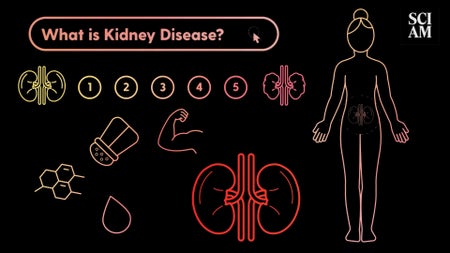
Kidney DiseaseMarch 17, 2026
How your kidneys actually work — and what happens when they fail
Your kidneys silently filter 150 quarts of blood every single day — but what happens when they stop working?
Deboki Chakravarti is a freelance science writer making videos and podcasts out of western Massachusetts. She has a Ph.D. in Biomedical Engineering.
How your kidneys actually work — and what happens when they fail
Your kidneys silently filter 150 quarts of blood every single day — but what happens when they stop working?
How does type 1 diabetes actually work?
What happens when your body suddenly stops making the one hormone that keeps your blood sugar in check?
What is Type 1 Diabetes? Here’s Your 5-Minute Primer
What happens when your body suddenly stops making the one hormone that keeps your blood sugar in check?
Summer of Science Reading, Episode 4: Navigating Loss and Hope with Nature
In Science Book Talk, a new four-part podcast miniseries, host Deboki Chakravarti acts as literary guide to two science books that share a beautiful and sometimes deeply resonant entanglement.
In this week’s show: World of Wonders, by Aimee Nezhukumatathil, and Vesper Flights, by Helen Macdonald.
Summer of Science Reading, Episode 3: Abandoned and Underground but Not Lost
In Science Book Talk, a new four-part podcast miniseries, host Deboki Chakravarti acts as literary guide to two science books that share a beautiful and sometimes deeply resonant entanglement.
In this week’s show: Underland, by Robert MacFarlane, and Islands of Abandonment, by Cal Flyn.
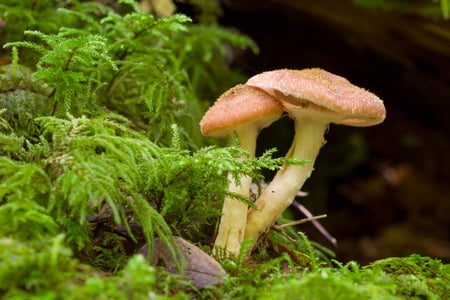
Summer of Science Reading, Episode 2: Life beneath Our Feet
In Science Book Talk, a new four-part podcast miniseries, host Deboki Chakravarti acts as literary guide to two science books that share a beautiful and sometimes deeply resonant entanglement.
In this week’s show: Entangled Life, by Merlin Sheldrake, and Gathering Moss, by Robin Wall Kimmerer.
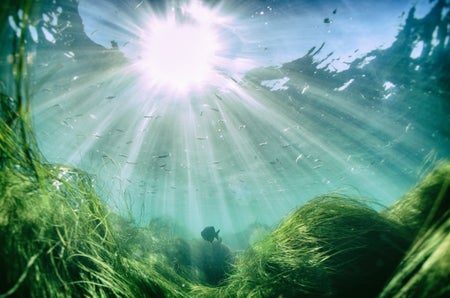
Summer of Science Reading, Episode 1: The Many Mysteries of Fish
In Science Book Talk, a new four-part podcast miniseries, host Deboki Chakravarti acts as literary guide to two science books that share a beautiful and sometimes deeply resonant entanglement.
In this week’s show: Why Fish Don’t Exist, by Lulu Miller, and The Book of Eels, by Patrik Svensson.
Resurrecting the Genes of Extinct Plants
Scientists at Ginkgo Bioworks have resurrected the smell of an extinct flower by putting together the pieces of its DNA.
To learn more, read the full story here.
To Stave Off Winter's Chill, Honeybees Hug
When staying warm is a matter of survival, they use this tried-and-true strategy.

A Nobel Laureate Explains the Rigged American Economy
The United States has the highest level of economic inequality of any developed country. Professor Joseph E. Stiglitz, winner of the 2001 Nobel Prize in Economics, explains why he thinks the American economy is rigged, and what that means for future generation.
To learn more about America's rigged economy and what we can do to fix it, click here.
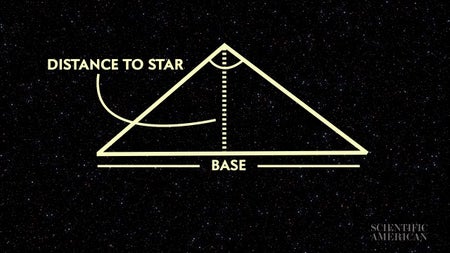
How Do We Measure the Distance to a Star?
The answer lies in the tiny shifts we see in a star's position as Earth revolves around the sun.

Computerized Chemical Toxicity Prediction Beats Animal Testing
Researchers programmed a computer to compare structures and toxic effects of different chemicals, making it possible to then predict the toxicity of new chemicals based on their structural similarity to known ones.