
BehaviorMay 15, 2019
How to Become a Scientist Communicator
Opportunities are everywhere, and training opens the way
Esther Ngumbi is a distinguished postdoctoral researcher at University of Illinois at Urbana Champaign Entomology Department and a Food Security Fellow with Aspen Institute's New Voices Fellowship.
How to Become a Scientist Communicator
Opportunities are everywhere, and training opens the way

Scientists Need to Talk to the Public
And plenty of resources are available to help them learn how to do it well

Scientists Are Learning the Power of Outreach
Progress in conveying science to the public needs to continue

We Should Reward Scientists for Communicating to the Public
Universities need to rethink how they evaluate academics for promotion

The Joys of Scientific Outreach
It’s important, it’s fun, and more and more young researchers are diving in

If You Want to Explain Your Science to the Public, Here's Some Advice
Tap into the ample resources that can get you started
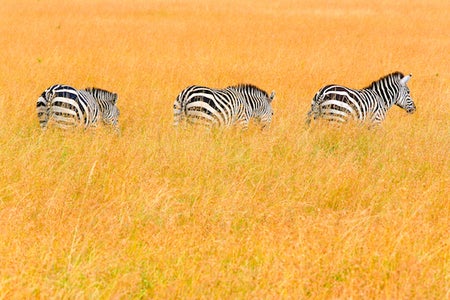
Don't Convert Africa's Savanna to Agricultural Land
Leaving the continent’s grasslands intact is good for the climate, for biodiversity and for the health of the soil
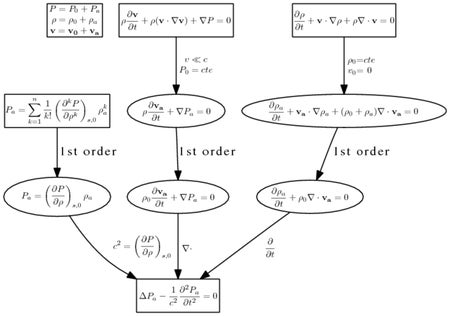
Scientists Should Talk Directly to the Public
Our work helps answer some of society's greatest challenges, but it's usually conveyed with technical language in journals most citizens never see
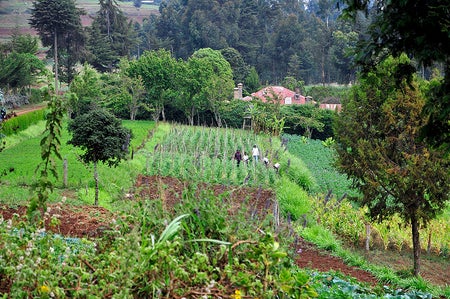
A Farmer and Scientist's Take on Trump and the Paris Climate Agreements
My heart sank when I heard the news because I know from my experience and my research how much climate change harms agriculture and the soil
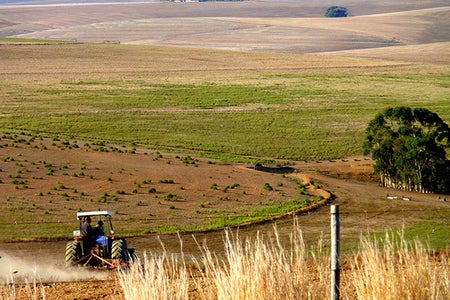
Unlocking the Power of African Soil Microbes
These microscopic marvels are transforming agriculture in the developed world; now it’s Africa’s turn
How Soil Microbes Fight Climate Change
They're our microscopic allies in making dirt a major resource for storing excess carbon

Turning to Bacteria to Fight the Effects of Climate Change
Recently the United Nations warned that the world could suffer a 40 percent shortfall in water by 2030 unless countries dramatically cut consumption.