MedicineFebruary 1, 2018
Instead of Filling Cavities, Dentists May Soon Regenerate Teeth
Researchers recently discovered certain drugs, including one developed to treat Alzheimer’s, stimulate innate self-repair mechanisms
Ferris Jabr is a contributing writer for Scientific American. He has also written for the New York Times Magazine, the New Yorker and Outside.
Instead of Filling Cavities, Dentists May Soon Regenerate Teeth
Researchers recently discovered certain drugs, including one developed to treat Alzheimer’s, stimulate innate self-repair mechanisms
How Does the Flu Actually Kill People?
Every year the common virus is lethal to many. What happens inside the body that results in death?
Fowl Language: AI Decodes the Nuances of Chicken “Speech”
How machine learning can translate chicken chatter and improve farming
Do Probiotics Really Work?
Although certain bacteria help treat some gut disorders, they have no known benefits for healthy people

Why Exercise May Be the Best Fix for Depression
For many people with depression, serious exercise may be the best, cheapest and safest treatment

Blue LEDs Light Up Your Brain
Why electronic screens keep you awake at night and what you can do about it

Take That Vacation: Why Time Off Makes You a Better Worker
A wealth of psychological research shows that mental downtime is vital for productivity and health. Some progressive companies are finally starting to listen

Q&A: Why a Rested Brain Is More Creative
Taking breaks—from naps to sabbaticals—can help us to refocus and recharge

How Sugar and Fat Trick the Brain into Wanting More Food
Junk foods can muddle the brain's satiety-control mechanism, sending our appetites into hyperdrive

Study of Fetal Perception Takes Off
We start to pick up words, food preferences and hand–eye coordination long before being born
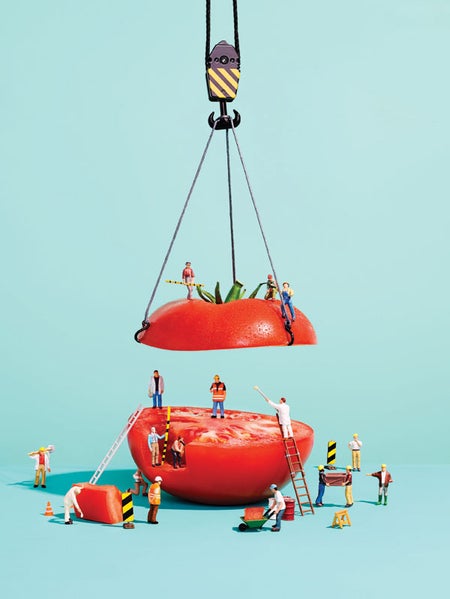
Reclaiming the Lost Flavor of Heirloom Produce—without GMOs
Making modern supermarket fruits and vegetables so big and hardy drained a lot of their flavor. Scientists now have the technology to bring it back—and it doesn't involve genetic engineering
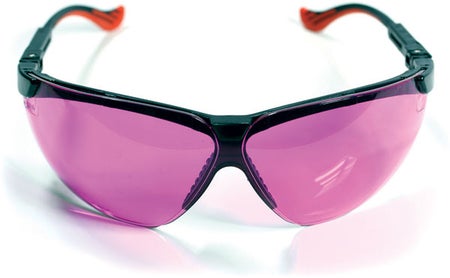
3 New Eyeglasses That Give Doctors Superhuman Vision
With them, you can see veins, hidden bruises, cancer cells and more
Building Better Fruits and Veggies without GMOs
Making modern supermarket produce so big and hardy drained a lot of its flavor. Scientists now have the technology to bring it back—without genetic engineering
How the Brain Ignores Distractions
Paying attention requires more than focus
From the Archives: Nobel Prize Winners on How the Body Works
Nobel Prize winners have published 245 articles in the pages of Scientific American. Here we present excerpts from stories in our archives that highlighted new insights into how the body functions.
Could RNA Drugs Defeat Ebola Virus?
An RNA-based treatment may stop the Ebola virus in its tracks
Sleuthing The Secrets To A Scrumptious Strawberry
The other day I went to my local bodega in Brooklyn, New York and bought a 16-ounce plastic carton full of Driscoll’s strawberries. These fruit, the packaging informed me, were grown in Mexico.
A New Generation of American Chestnut Trees May Redefine America's Forests
Before an exotic fungus nearly wiped them out in the late 1800s, abundant chestnut trees shaped the forest ecosystem, providing food and shelter for numerous other species. In coming decades Chestnut trees engineered to battle the fungus could restore these lost relationships
Searching For The Elephant's Genius Inside the Largest Brain on Land
Many years ago, while wandering through Amboseli National Park in Kenya, an elephant matriarch named Echo came upon the bones of her former companion Emily.
The Science Is In: Elephants Are Even Smarter Than We Realized [Video]
We now have solid evidence that elephants are some of the most intelligent, social and empathic animals around—so how can we justify keeping them in captivity?
Creating Tastier and Healthier Fruits and Veggies With a Modern Alternative to GMOs
By combining traditional plant breeding with ever-faster genetic sequencing tools, researchers are making fruits and vegetables more flavorful, colorful, shapely and nutritious
8 More Amazing Images of Living Things from the 2013 BioScapes Competition [Slide Show]
A selection of honored images created by scientists, professional photographers and hobbyists
Getting to Know the Voices in Your Head
We talk to ourselves to stay motivated, tame unruly emotions, plan for the future and even maintain a sense of self
Life under the Microscope: Stunning Photographs from the BioScapes Competition [Slide Show]
Microscopes transform the way we see and understand the creatures on our planet