Mind & BrainMay 1, 2012
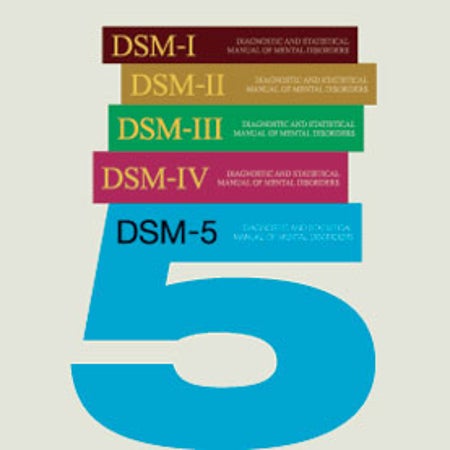
Psychiatry's "Bible" Gets an Overhaul
Psychiatry's diagnostic guidebook gets its first major update in 30 years. The changes may surprise you
Ferris Jabr is a contributing writer for Scientific American. He has also written for the New York Times Magazine, the New Yorker and Outside.
Psychiatry's "Bible" Gets an Overhaul
Psychiatry's diagnostic guidebook gets its first major update in 30 years. The changes may surprise you
Tomorrow's Medicine
A look at some of the most promising medical devices now in development

Welcome to Brainwaves
The Rue Age: Older Adults Disengage from Regrets, Young People Fixate on Them
New research suggests that elderly brains are less susceptible to regret than are the brains of the young and depressed
Spine Tuning: Finding Physical Evidence of How Practice Rewires the Brain
Memory Foraging: When the Brain Behaves Like a Bee
Researchers test the idea that we hunt for memories in our minds the same way some animals search for food
Parsing Primates: Baboons Learn to Recognize the Difference between Real and Fake English Words
New research suggests that some aspects of reading are not dependent on previous experience with language or speech
Can You Predict a Monkey's Social Status by Looking at Its Genes?
In the Heat for a Moment: The Male Giant Panda's Sex Drive Fluctuates to Match the Female's Short-Lived Libido
A three-year study documenting the male panda's cyclic reproductive behaviors could help researchers expand captive populations
Infectious Selflessness: How an Ant Colony Becomes a Social Immune System
Ants work together to battle a deadly fungus by diluting the infection across the colony
Neuroscientists: We Don't Really Know What We Are Talking about, Either
Gene Therapy Restores Sight to Three Patients
Gene therapy restores human sight
Microbial Mules: Engineering Bacteria to Transport Nanoparticles and Drugs
Bacteria are exquisite living machines that could one day deliver medicine to cells in the human body, if scientists overcome the numerous obstacles
Van Gogh's Sunflowers Were Genetic Mutants
Researchers discover the genetic secret behind van Gogh's famous sunflowers
The Ballooning Brain: Defective Genes May Explain Uncontrolled Brain Growth in Autism
Autistic children's brains may grow too big, too soon. A new study links this unusual growth to abnormal gene activity that fails to prune unnecessary neural connections
Animals Exposed to Virtual Reality Hold an Emergency Meeting [Video]
9-Year-Old Boy's Shrinking Brain Disorder Baffles Doctors
Neurologists search for a novel genetic mutation to explain why an Australian boy's brain has been withering since birth
Pirate-Eye Pigeons Reveal How the Brain Talks to Itself
Asymmetrical stimulation of the developing bird brain may be essential for communication between the brain's two hemispheres
Structured Unlearning: Marijuana May Impair Memory via the Brain's Non-Firing Cells
A new study suggests that pot makes users forgetful by binding not to neurons but to the brain's supporting glial cells called astrocytes
Recommended: The Age of Insight
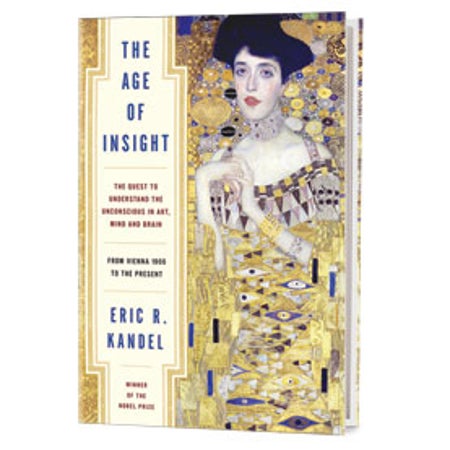
Books and recommendations from Scientific American
Scary Stuff: Fright Chemical Identified in Injured Fish
A molecule related to chondroitin supplements alerts fish of nearby danger
The Perils and Pleasures of Online Gaming for Married Life
Mountain Maladies: Genetic Screening Susses Out Susceptibility to Altitude Sickness
New tests could spare soldiers from debilitating sickness at high altitudes--and mitigate cattle deaths in the Rockies
Tiny, Tree-Dwelling Primate Called Tarsier Sends and Receives Ultrasonic Calls