
Mind & BrainFebruary 8, 2012
Sight Seen: Gene Therapy Restores Vision in Both Eyes
Two doses of gene therapy restore vision to three women who were born nearly blind
Ferris Jabr is a contributing writer for Scientific American. He has also written for the New York Times Magazine, the New Yorker and Outside.
Sight Seen: Gene Therapy Restores Vision in Both Eyes
Two doses of gene therapy restore vision to three women who were born nearly blind
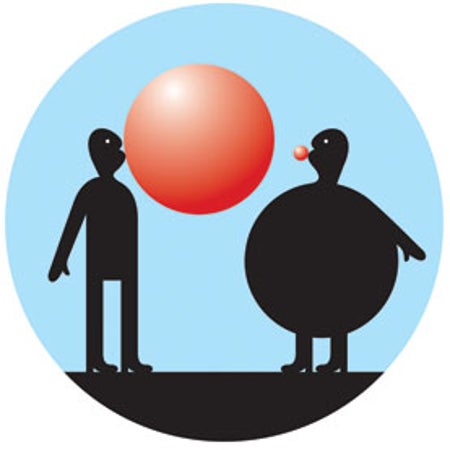
Gumming Up Appetite
The obese may soon have a new tool to curb hunger
Redefining Autism: Will New DSM-5 Criteria for ASD Exclude Some People?
Experts call for small and easy changes to the Diagnostic and Statistical Manual, the "bible" of psychiatry, so that everyone with autism spectrum disorder qualifies for a diagnosis
By the Numbers: Autism Is Not a Math Problem
There are 2,027 ways to be diagnosed with autism in DSM-IV and only 11 ways in DSM-5, but the numbers alone are misleading
Dirty Dancing: Dung Beetles Get Down to Walk the Line
The meticulous insects pirouette atop their dung balls to get their bearings and correct navigational errors
Shape-Shifting: Researchers Change How Monkeys See in 3-D
Stimulating a particular region of the brain alters the way rhesus macaques perceive optical illusions
Late Bloomer: Trailblazing 18th-Century Woman Botanist Finally Honored with Namesake
Fearless Youth: Prozac Extinguishes Anxiety by Rejuvenating the Brain
New research shows that the antidepressant reduces fear in adult mice by increasing brain plasticity
Jailbreak Rat: Selfless Rodents Spring Their Pals and Share Their Sweets
A new study suggests that rodents are far more altruistic than previously thought
Cache Cab: Taxi Drivers' Brains Grow to Navigate London's Streets
Memorizing 25,000 city streets balloons the hippocampus, but cabbies may pay a hidden fare in cognitive skills
Was Jane Austen Poisoned by Arsenic? Science May Soon Find Out
Modern techniques could reveal whether the celebrated English novelist's surviving hair contains unusually high levels of arsenic
Gumming Up Appetite to Treat Obesity
Researchers plan to create chewing gum that sneaks an appetite-suppressing hormone through the gut and into the blood
Do MRIs Relieve Symptoms of Depression?
Researchers continue to explore whether magnetic fields produced by magnetic resonance imaging devices and others improve mood in those who suffer from depressive disorders
Nobel Laureates Speak in Scientific American

A Nobel Celebration
As Nobel Prize winners gather this month to share their wisdom with younger researchers, Scientific American recalls some of the articles that Nobel laureates have published in our pages
Blissfully Unaware: Why Children Often Act Before They Think
Kids may lack self-consciousness because a key network in their brain is not yet synchronized
When Photos Are Painkillers
Looking at a picture of a loved one can dull physical pain

They Like Your Guts
Intestinal parasites may offer protection from colitis, asthma and other common ailments
How to Form a Habit
What's That Robot Looking At?
Babies will follow the gaze of social robots just as they do with people
Knocking Out a "Dumb" Gene Boosts Memory in Mice
Why We Reflexively Self-Grab When Wounded
Why the instinct to clutch a wounded part of the body helps to relieve discomfort
For the Good of the Gut: Can Parasitic Worms Treat Autoimmune Diseases?
Helminths could suppress immune disorders by promoting healthy mucus production in the intestine
Beware 'Imbibing Idiot Bias'
People judge alcohol drinkers as less intelligent