
The SciencesMay 20, 2002
Special Delivery
The bioterror weapon of choice has supplied new treatment strategies for HIV and cancer
Gary Stix, formerly senior editor of mind and brain topics at Scientific American, edited and reported on emerging advances that have propelled brain science to the forefront of the biological sciences. Stix has edited or written cover stories, feature articles and news on diverse topics, ranging from what happens in the brain when a person is immersed in thought to the impact of brain implant technology that alleviates mood disorders such as depression. Before taking over the neuroscience beat, Stix, as Scientific American's special projects editor, was responsible for the magazine's annual single-topic special issues, conceiving of and producing issues on Albert Einstein, Charles Darwin, climate change and nanotechnology. One special issue he oversaw on the topic of time in all of its manifestations won a National Magazine Award. With his wife Miriam Lacob, Stix is co-author of a technology primer called Who Gives a Gigabyte? A Survival Guide for the Technologically Perplexed.
Special Delivery
The bioterror weapon of choice has supplied new treatment strategies for HIV and cancer
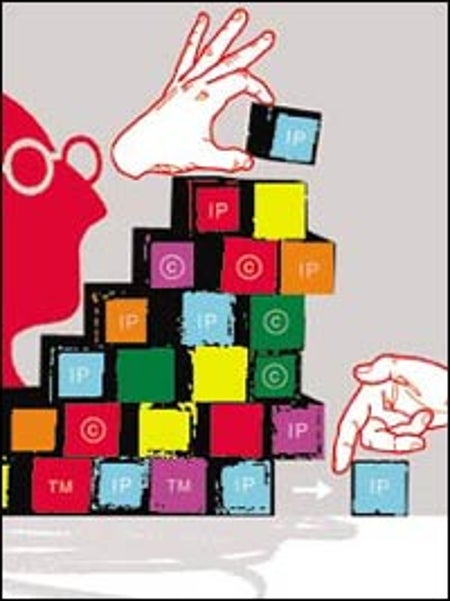
IP Rights--and Wrongs
Does overstrong patent and copyright protection hamper competition?

Who Owns You?
A mock trial explores the intersection of patents and genetic-property rights
What Clones?
Widespread Scientific Doubts Greet Word of the First Human Embryo Clones
What Clones?
Were claims of the first human embryo premature?
Plague Redux
The Undying Pulse
Fiber-optic technology nurtured at Bell Labs from before divestiture is ready to go commercial. But will the patience of its creators yield any competitive advantage?
Cure or Poison?
Defusing Anthrax
Saying Yes to NO
The patent office is issuing a wealth of patents related to one of the most celebrated molecules of the past decade
Patently Bizarre
Eccentric inventions may not make their owners rich. But the Gallery of Obscure Patents ensures that the best of the weird will not be forgotten

Little Big Science
Nanotechnology is all the rage. But will it meet its ambitious goals?And what the heck is it?
À Votre Sant
Should Physicians Tell Some Nondrinkers To Start?
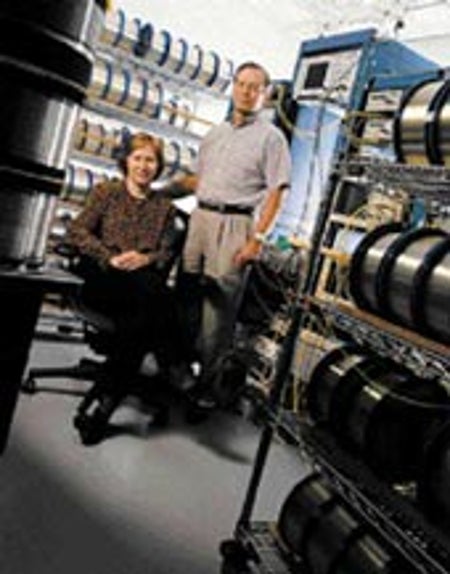
Builders of Light Pipes
Structured teamwork propels Corning beyond commodity fiber
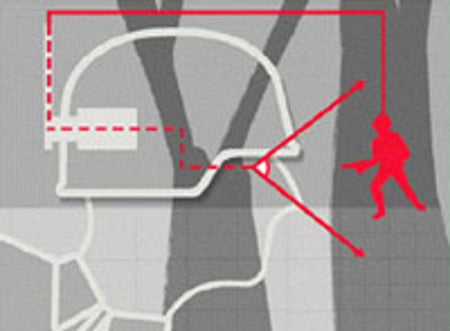
Sounding Out Snipers
Drawing a bead on urban warriors who take potshots at regular troops

A License for Copycats?
A court decision may clarify what is patentable while giving a free ride to knockoffs

Project Skyhook
A "smart" material that transforms from a liquid to solid state on cue is beginning to show up in prosthetics, automobiles and other applications
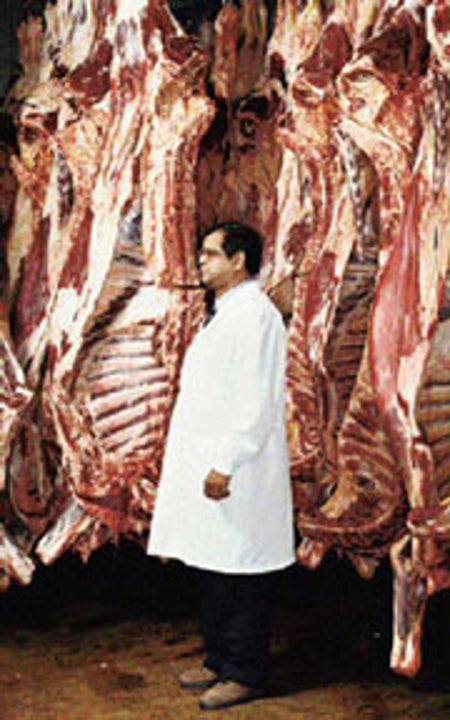
Antimicrobe Marinade
A protein from cow's milk may become a weapon in the fight against the killer hamburger
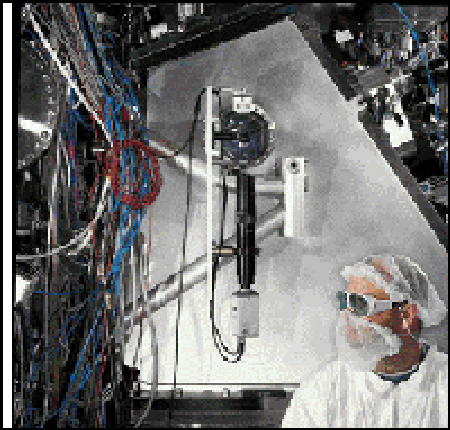
Getting More from Moore's
Marshaling financial clout and technical astuteness, Intel has pushed its choice for the key technology that will extend silicon chips to their limits
Code of the Code
When you cross DNA nucleotides with the zeros and ones of digital bits, who owns what?
Pour Me Another
Cheap Light
Microlasers go deeper into the infrared to boost optical networking
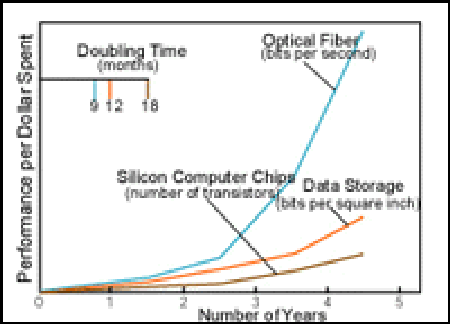
The Triumph of the Light
Extensions to fiber optics will supply network capacity that borders on the infinite

2001: A Scorecard
How close are we to building HAL? I'm sorry, Dave, I'm afraid we can't do that