
BooksSeptember 11, 2026
Can an AI chatbot replace human connection?
What do we lose when machines become our closest confidants?
Jeffery DelViscio is currently chief multimedia editor/executive producer at Scientific American. He is former director of multimedia at STAT, where he oversaw all visual, audio and interactive journalism. Before that he spent more than eight years at the New York Times, where he worked on five different desks across the paper. He holds dual master's degrees in journalism and in Earth and environmental sciences from Columbia University. He has worked onboard oceanographic research vessels and tracked money and politics in science from Washington, D.C. He was a Knight Science Journalism Fellow at the Massachusetts Institute of Technology in 2018. His work has won numerous awards, including two News and Documentary Emmy Awards.
Can an AI chatbot replace human connection?
What do we lose when machines become our closest confidants?
YouTube inventor Simone Giertz turned robot comedy into a science career. Here’s how
The Swedish engineer influencer has spent over a decade on YouTube growing a loyal audience of over 2.5 million followers, but for her, the journey was all about living a less typical life in science.
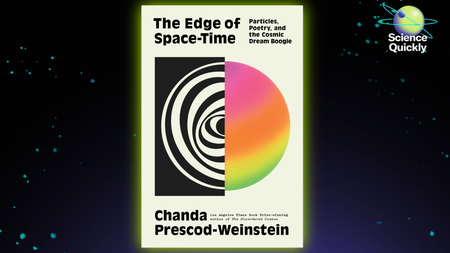
How Star Trek, Missy Elliott and queer theory help explain the deepest questions in physics
A physicist explores how poetry, pop culture and imagination help us understand spacetime and our place in the universe
How your kidneys actually work — and what happens when they fail
Your kidneys silently filter 150 quarts of blood every single day — but what happens when they stop working?
The dark roots of RFK, Jr.’s public health ideology
How Secretary of Health and Human Services Robert F. Kennedy, Jr.’s ideas about public health—from vaccines to seed oils—are shaping Americans’ health
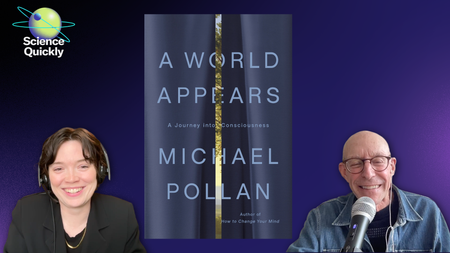
Michael Pollan on why consciousness is a mystery—and why protecting it matters
Michael Pollan dives into the scientific and philosophical puzzles of consciousness, from brain biology to AI and beyond
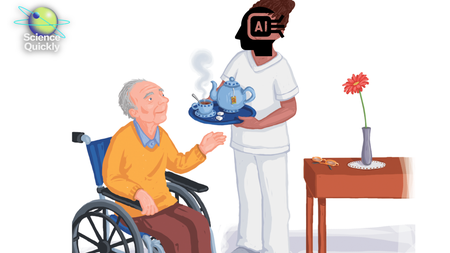
How AI-powered ‘smart homes’ could transform care for people with dementia
How AI‑powered “smart home” technologies could improve safety and ease caregiver burden for people with Alzheimer’s and other types of dementia
Consciousness explained? What brains, AI and dream states reveal
A dive into how scientists are trying to understand what consciousness is and where it comes from
From Agency Chaos to Dark Energy Shocks: How Politics, Health, Climate Policy and Space Science Defined 2025
A look back at 2025’s biggest science stories—from federal upheaval and public health setbacks to climate policy reversals and groundbreaking discoveries in space.
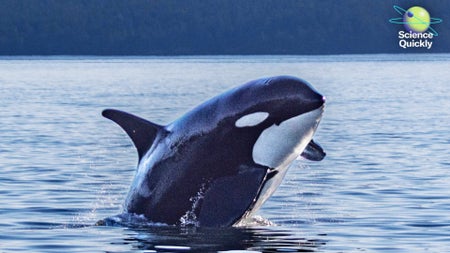
Orcas on the Brink—What a Dog Named Eba and a Team of Scientists Are Fighting For
A scientist, a journalist and a remarkable scent‑detecting dog race to learn what’s endangering the last southern resident orcas
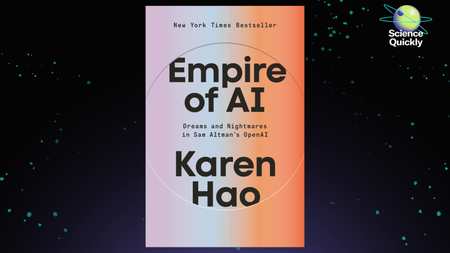
Inside the Empire of AI: Karen Hao on Power, Ideology and Environmental Costs
Journalist Karen Hao unpacks the rise of AI “empires,” their ideological roots, and the hidden environmental and societal costs of OpenAI’s quest for artificial general intelligence.
Is There New Hope for Treating Postpartum Depression?
Journalist Marla Broadfoot discusses zuranolone, a drug that may help people whose postpartum depression hasn’t responded to traditional antidepressants.
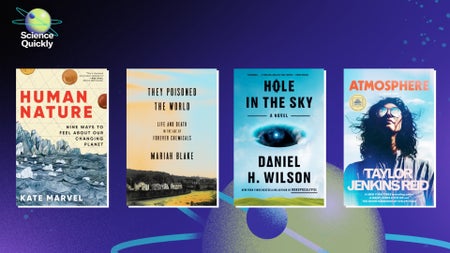
Scientific American Shares Its First-Ever Best Fiction and Nonfiction Books of the Year
Scientific American unveils its first-ever best fiction and nonfiction books of the year, spotlighting stories that blend science, imagination and unforgettable voices.
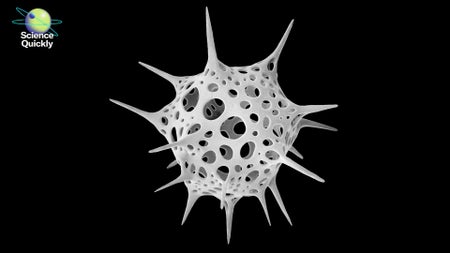
Nanocosmos Shows Nature’s Invisible Art
Artist Michael Benson reveals the hidden beauty of snowflakes, radiolarians and lunar rocks through stunning electron microscope images in his new book, Nanocosmos.
How to Keep Your Gut Happy This Holiday Season
As holiday feasts and stress approach, an expert explains how to keep your gut healthy without skipping the stuffing.

The human network behind a digital time capsule
Scientific American’s editor in chief David M. Ewalt reflects on a 20-year experiment in e-mailing the future
How mRNA Vaccines Could Transform Cancer Treatment
From COVID shots to cancer therapy, mRNA is changing medicine.
What Food Texture Teaches Us about Perception, Culture and Language
Kendra Pierre-Louis steps in as interim host and dives into the science behind why some foods—especially mayonnaise—can gross us out.
Why Headaches Remain One of Medicine’s Most Misunderstood Disorders
Migraine and cluster headaches affect millions—yet research remains surprisingly thin.
Why We Struggle to Say No—And How to Get Better at It
Why saying no is harder than it should be.
Gut Reactions to Your Favorite Halloween Candy
This Halloween discover how your candy choices can trick—or treat—the microbes in your gut.
Mosquitoes Invade Iceland, Earth Darkens, and Bird Flu Returns
Bird flu surges and a government shutdown collide, complicating efforts to track cases and protect flocks.
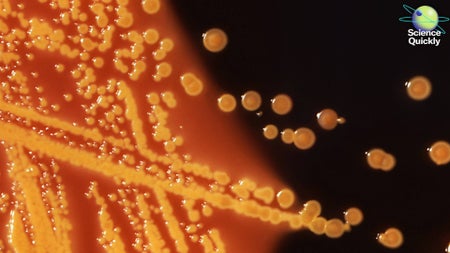
Global Superbugs Surge, Chikungunya Hits Long Island, and Satellites Leak Data
A new WHO report warns of rising antimicrobial resistance, and researchers uncover satellite data leaks and insect surprises.
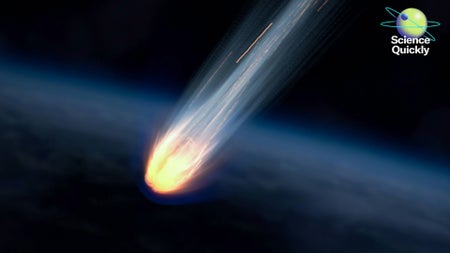
How a Space Rock Became a Scientific Breakthrough—And a Black Market Commodity
A massive Somali meteorite containing never-before-seen-on-Earth minerals vanished into the black market, raising ethical questions about science and ownership.