BiologySeptember 16, 2016
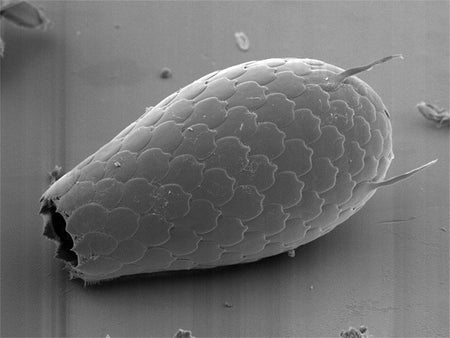
Bacterial Predators Surprise Scientists with Hidden Diversity
A vast group of mollusk-like microbes toting shells and trapping bacteria has many more members than suspected
Jennifer Frazer, an AAAS Science Journalism Award–winning science writer, authored The Artful Amoeba blog for Scientific American. She has degrees in biology, plant pathology and science writing.
Bacterial Predators Surprise Scientists with Hidden Diversity
A vast group of mollusk-like microbes toting shells and trapping bacteria has many more members than suspected
Trapped in a Black Pit, Ants Refuse to Give Up
Where civilization-destroying weapons once lay, humble wood ants meet a science-fiction-like end
In the Year Following Fire, a Mushroom Bonanza
Morels, odd yet delicious, are often hard to find—but not in western forests that just burned
2 Lichen Mysteries Solved Reveal a Greater Hidden Truth
A pair of look-alike lichens may have outed a creature that escaped detection by biologists for centuries
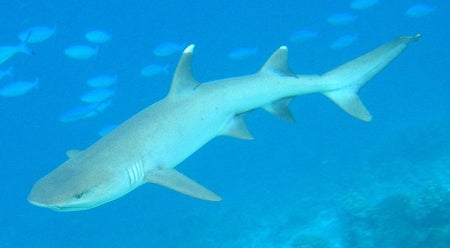
Sharks' Rep Hurt by Scary Theme Music
"Objective" documentaries may be unintentionally biasing viewers
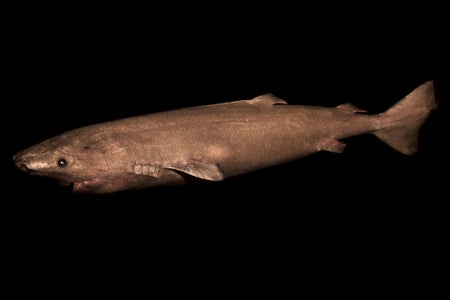
Newly Crowned Oldest Vertebrate May Live to 400
...and it doesn't reach sexual maturity until around 150

50-Million-Year-Old Insect Jumped Out of Skin to Escape Amber Tsunami
A mushroom, an insect skin and a mammal hair all walk into the same piece of amber...
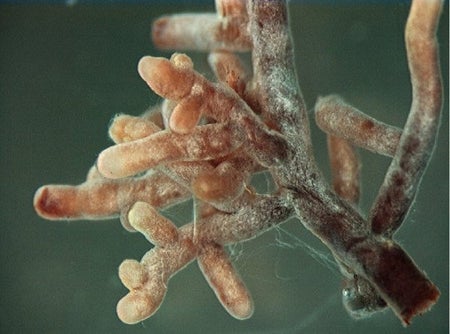
My First Radiolab Interview: From Tree to Shining Tree
What goes on under the forest floor may astound you
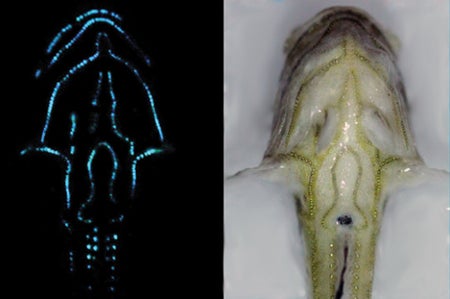
80 Percent of Open-Ocean Fish Make Light
Lighting up is the rule, not the exception, for marine fish
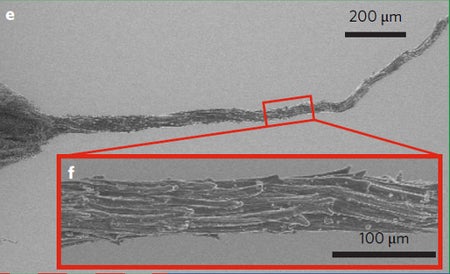
Desert Moss Makes Water Trap So Powerful It Can Hoist Water against Gravity
Could you survive on only the moisture in fog? This moss can

Predator? No Problem--Water Fleas Grow Weapons
The water flea Daphnia grows its own helmets, spikes and crests in response to chemical cues that predators are near
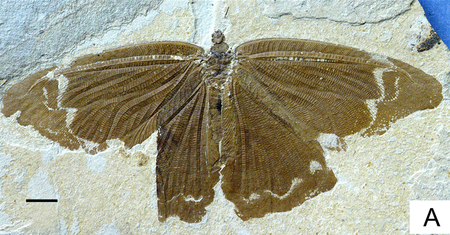
Butterflies in the Time of Dinosaurs, with Nary a Flower in Sight
Jurassic butterflies disappeared a full 45 million years before the first caterpillar decided to grow up and become a beautiful butterfly—again
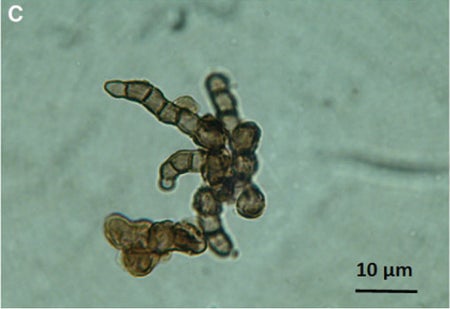
Fungi in Space!
If you can make it on Earth, can you make it on "Mars"?
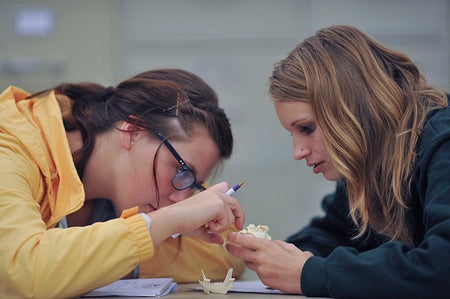
80 Percent of Young Environmental Scientists Could Use More Natural History Training
Natural history is vanishing from the academic ecosystem, and it may be harming our ability to make big theoretical advances
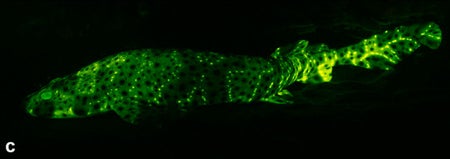
Cat Sharks Send Secret, Fluorescent Messages
A few sharks fluoresce like ravers at a club. But why?
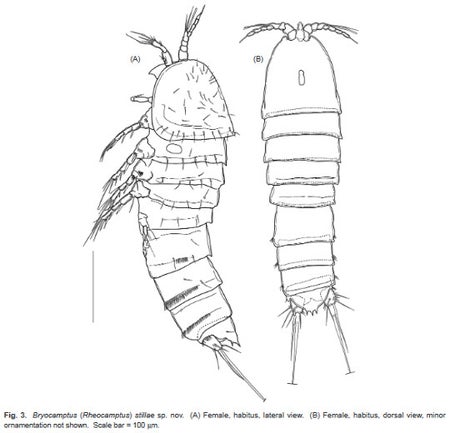
Under Soil and above Caves, a Warren of Hidden Life
Off limits to humans, the cracks and crevices of the epikarst hide a vast and diverse world of animals
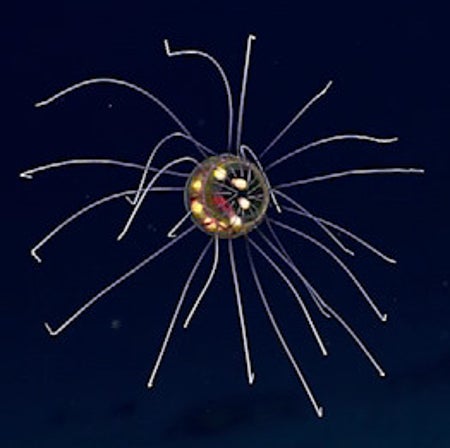
A Jellyfish So Surreal That It Looks Unreal Is Discovered on the Enigma Seamount
The beautiful, bizarre animal was discovered this week during NOAA's exploration of the area around the Mariana Trench
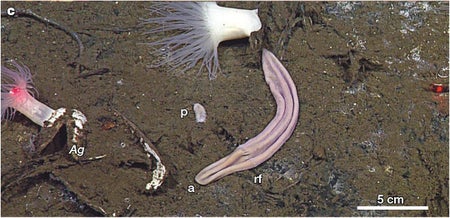
Crumpled Sock? Churro? No, That's Just Xenoturbella
Four new species of a rarely seen, bizarre sea creature have been discovered in eastern Pacific Ocean, and their genetic evidence confirms a pivotal evolutionary placement
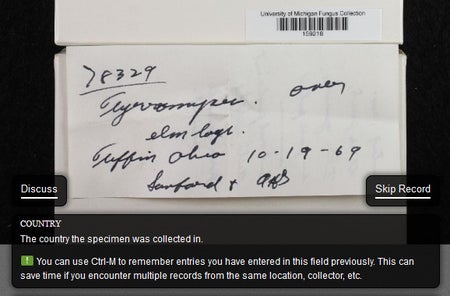
Wanted: Natural History Transcriptionists
Love natural history and good at deciphering handwriting? Then the citizen science project "Notes From Nature" has got a job for you.
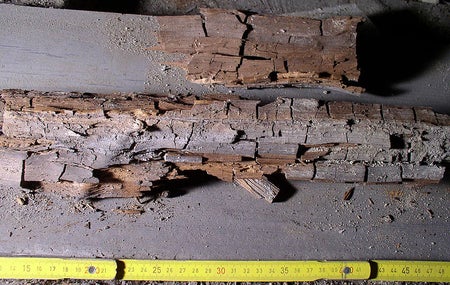
New Oldest Fungus Fossil Grew Like Dry Rot
... but so long ago wood had not evolved yet.
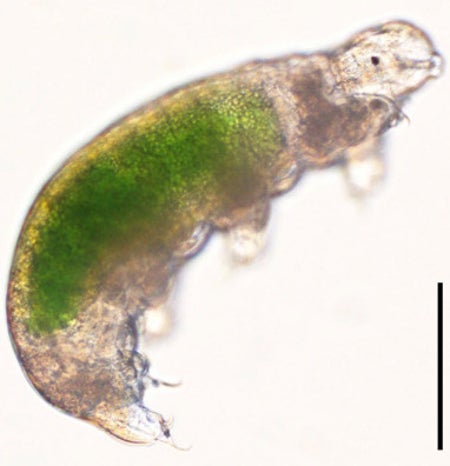
Water Bears Frozen During the Reagan Administration Wake Up and Lay Eggs
One of the cutest organisms on Earth is also one of the toughest, as three water bears' intrepid 30-year voyage through deep-freeze has proved once more
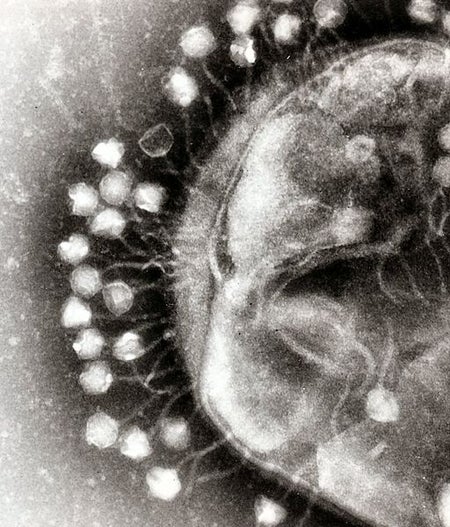
Uneven Distribution of Viruses Suggests Surprising Evolutionary Power
Did viruses help spur the evolution of complex life?
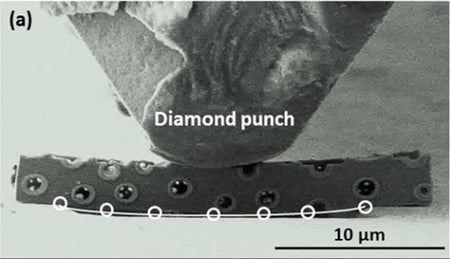
Beams Built of Diatom Boast Record-Setting Strength
How scientists fabricated the beams is almost as extraordinary as their toughness.
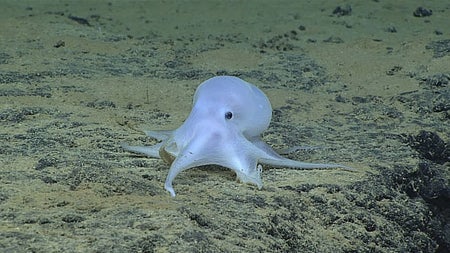
Casper, the Friendly Deep Sea Octopus Who's Entirely New to Science
On its very first dive of the season, NOAA's Okeanos Explorer encountered something unexpected while collecting rocks.