OpinionJune 2, 2020
Exposing the World’s Biggest Carbon Emitters
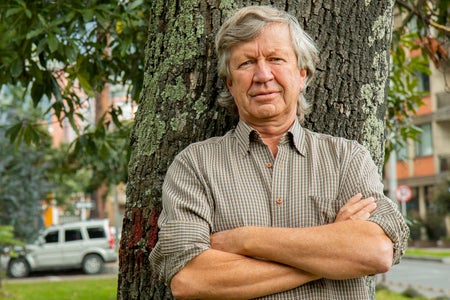
“Energy accountant” Richard Heede does research needed to hold major polluters accountable for their actions
John Horgan is a freelance journalist and a former Scientific American staff writer. He comments on science in his free online journal, Cross-Check, and he has also posted his self-published books Mind-Body Problems (2018) and My Quantum Experiment (2023) online. Horgan teaches science writing at the Stevens Institute of Technology.
Exposing the World’s Biggest Carbon Emitters
“Energy accountant” Richard Heede does research needed to hold major polluters accountable for their actions
One of the World’s Most Powerful Scientists Believes in Miracles
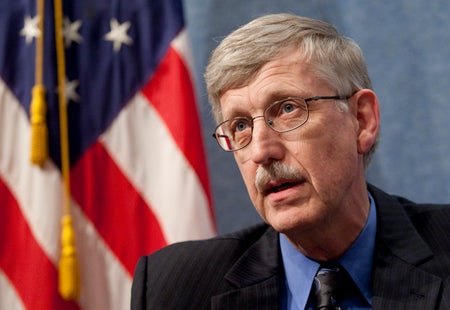
NIH director Francis Collins, winner of the 2020 Templeton Prize, answers questions about God, free will, evil, altruism and his Christian faith in a 2006 interview
Should Scientists Take UFOs and Ghosts More Seriously?
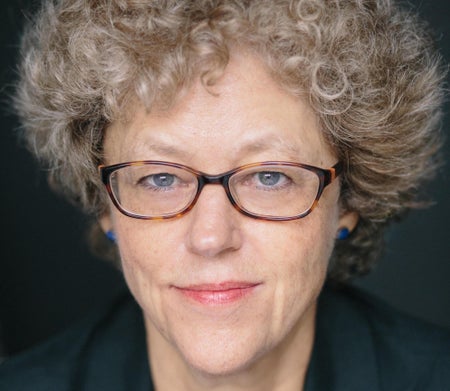
Journalist Leslie Kean investigates topics that many consider to be beyond the pale
Will the Nature-Nurture Debate Ever End?
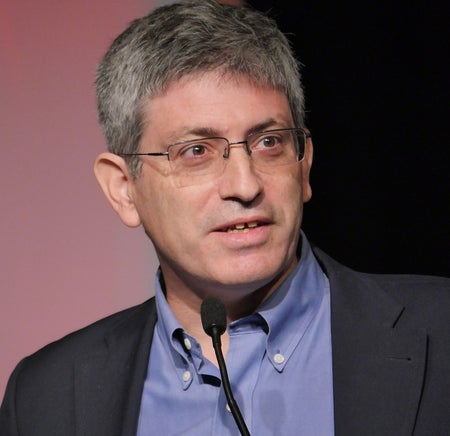
Biology writer Carl Zimmer answers questions on heredity, CRISPR, human enhancement, immortality and the coronavirus

A Liberal East Coast Science Writer Talks to a Pro-Trump Texan Strength Coach about COVID-19
A weight-lifting guru, author and podcaster calls the U.S. response to the pandemic an “exercise in hysteria" that might do more harm than good
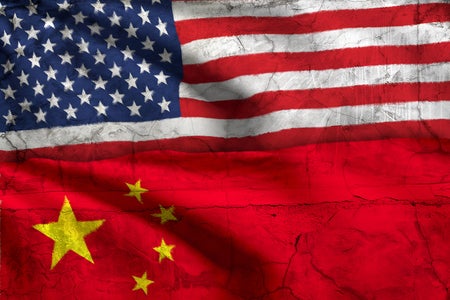
Will COVID-19 Make Us Less Democratic and More like China?
The pandemic has revealed the disadvantages of laissez-faire governance and advantages of centralized control

Will COVID-19 Make Us More Socialist?
Pundits hope the pandemic will lead to more humane government policies but fear darker outcomes

Remembering Big Bang Basher Fred Hoyle
The great astrophysicist Fred Hoyle (1915–2001) named the big bang theory but never embraced it

Meditating During the Plague
Is it ethical to seek serenity when the world is suffering?
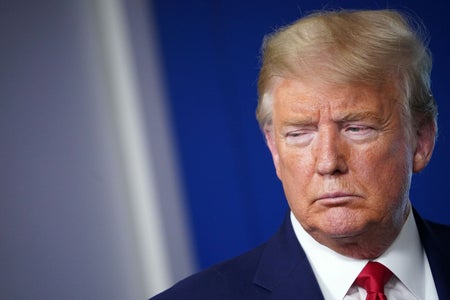
Does Surging Existential Dread Help Trump?
As fear of mortality rises, so does tribalism and support for authoritarian leaders, according to terror-management theory
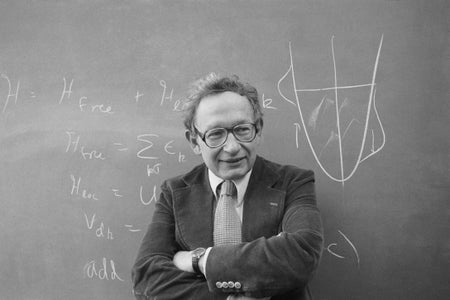
Philip Anderson, Gruff Guru of Physics and Complexity Research, Dies
The Nobel Prize winner espoused an antireductionist vision of science in which “more is different”

Jolted by Her Own Illness, Pandemics Scholar Gains Insight into Botched COVID-19 Response
The author of book on the 2009 flu outbreak explains how a lack of effective tests crippled U.S. attempts to contain the coronavirus

Good News: Women Helping Women in STEM
A physics student has founded an international organization for mentoring women in male-dominated fields
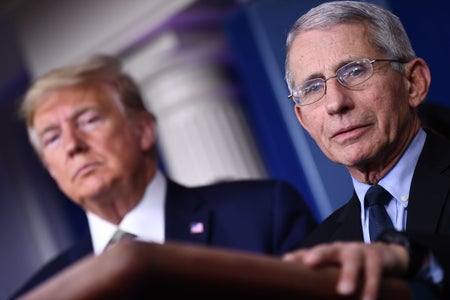
Optimism in a Dark Time
The coronavirus pandemic might have positive consequences
The Coronavirus and Right-Wing Postmodernism
Does right-wing skepticism toward the coronavirus have anything to do with the postmodern philosophy of Thomas Kuhn?
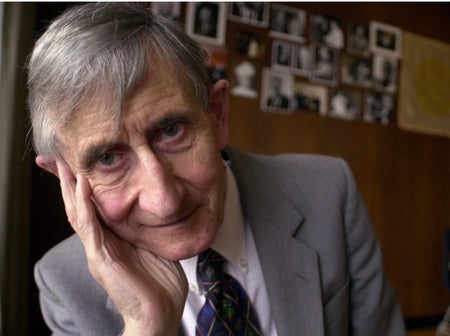
Scientific Rebel Freeman Dyson Dies
The iconoclastic physicist rejected the idea of an end point to the human quest for knowledge and happiness
Astrology, Tarot Cards and Psychotherapy
With psychotherapists’ encouragement, troubled people are seeking solace in pseudoscientific practices such as astrology and tarot cards

Responses to “The Cancer Industry: Hype vs. Reality”
Readers critique a journalist’s critique of cancer medicine

The Cancer Industry: Hype vs. Reality
Cancer medicine generates enormous revenues but marginal benefits for patients
What’s Wrong with Physics
A physicist slams hype about multiverses, string theory, and quantum computers and calls for more diversity in his field
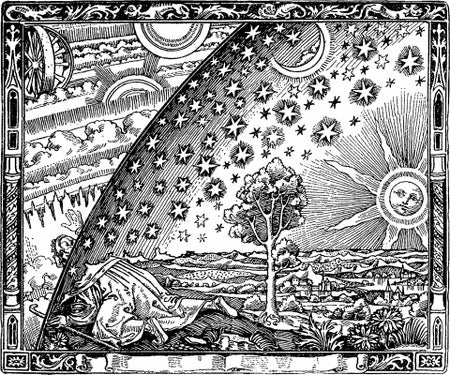
Do We Possess a Transpersonal Imagination?
Some products of our imaginations seem to spring from sources beyond our everyday selves.

Mysticism and the Mind-Body Problem: Other Views
Participants in a freewheeling exploration of nonmaterialist, mystical accounts of reality critique a journalist’s critique

My Go-To Arguments for Free Will
Free will must exist if some of us have more of it than others
My Top 10 Columns of the Decade
Cross-Check began a decade ago. Here are columns that the author liked, even if readers didn’t