OpinionAugust 1, 2018
A Buddhism Critic Goes on a Silent Buddhist Retreat
Something weird happens to a skeptical science writer during a week of meditation, chanting and skygazing
John Horgan is a freelance journalist and a former Scientific American staff writer. He comments on science in his free online journal, Cross-Check, and he has also posted his self-published books Mind-Body Problems (2018) and My Quantum Experiment (2023) online. Horgan teaches science writing at the Stevens Institute of Technology.
A Buddhism Critic Goes on a Silent Buddhist Retreat
Something weird happens to a skeptical science writer during a week of meditation, chanting and skygazing

David Bohm, Quantum Mechanics and Enlightenment
The visionary physicist, whose ideas remain influential, sought spiritual as well as scientific illumination
Yes, Make Psychedelics Legally Available, but Don't Forget the Risks
Psychedelics have psychological and spiritual benefits, as a new best seller claims, but they’re far from a panacea

Why Does Jim Holt Exist?
A connoisseur of science, math and philosophy takes on the really big questions
How Physics Lost Its Way
Physicist Sabine Hossenfelder claims desire for beauty and other subjective biases have led physicists astray

Shouldn't Americans Care That Their Country Is Killing as Well as Imprisoning Kids?
Americans objecting to U.S. detainment of children at borders should also protest killing of kids overseas
Bloomsday Tribute to James Joyce, Greatest Mind-Scientist Ever
Ulysses doesn’t solve the hard problem, but it conveys with unsurpassed vividness what it feels like to be human.
Do Our Questions Create the World?
Quantum theorist John Wheeler’s “it from bit” hypothesis anticipated ongoing speculation that consciousness is fundamental to reality

How Google Could Help End War
By renouncing military contracts, Google could catalyze a much-needed discussion about how the U.S. and other nations can move beyond militarism
Responses to "Was Wittgenstein a Mystic?"
The philosopher’s great work Tractatus is perhaps “a blank canvas” on which we project what we want to see.
Was Wittgenstein a Mystic?
The philosopher's greatest work, Tractatus Logico-Philosophicus, only makes sense in the light of mysticism
Freeman Dyson's Solution to the Problem of Evil
Dyson’s principle of maximum diversity says that without hardship and suffering, life would be too dull

A Super-Simple, Non-Quantum Theory of Eternal Consciousness
A sleepy philosopher inspires thoughts on how consciousness could endure forever
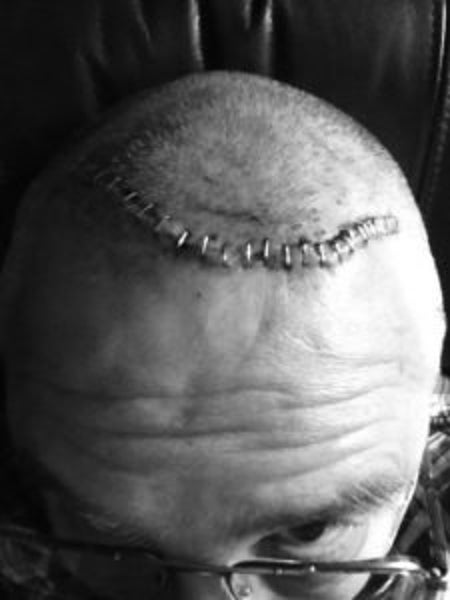
Journalists Offer Sharply Divergent Views of Brain Implants for Depression
One reporter emphasizes the promise of an experimental treatment, another the peril
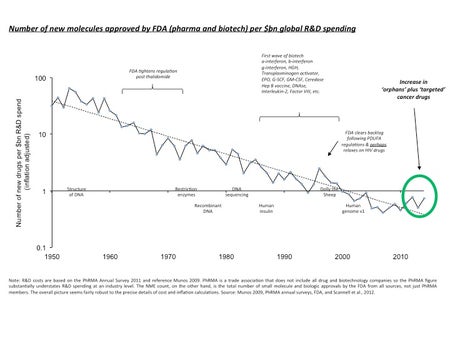
Is Science Hitting a Wall?, Part 2
Analysis of drug research identifies causes of declining returns, like the "better than the Beatles" problem, and a possible solution, "Dead Drugs Officers"
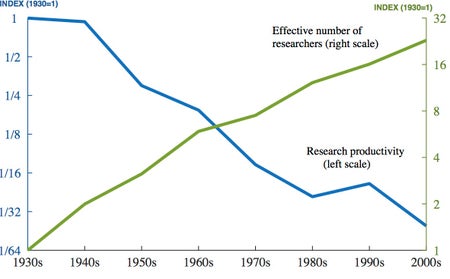
Is Science Hitting a Wall?, Part 1
Economists show increased research efforts are yielding decreasing returns

Dear Trump, Make World Peace Your Mission
The president has the deal-making skills to end war between nations once and for all

Can Meditation Make Us Nicer?
A new study raises questions about meditation’s moral and social benefits.
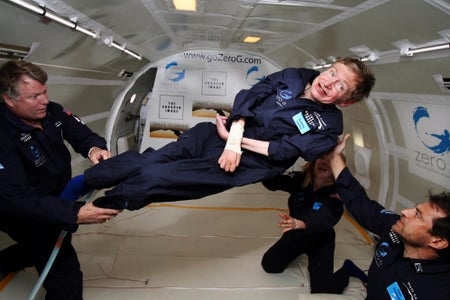
My Alarming, Inspiring Encounter with the Late Stephen Hawking
After having a seizure in my arms at a meeting in Sweden, the paralyzed physicist lectured on how we live in a “superspace” with infinite dimensions
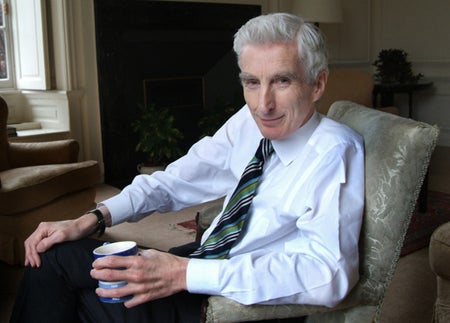
Cosmic Thinker Worries about Ends of Science and Humanity
Cosmologist Martin Rees holds forth on multiverses, biothreats, AI, utopia, God and “posthuman” science

Should We Chill Out about Global Warming?
Two “ecomodernists” argue that continued progress in science and other realms will help us overcome environmental problems
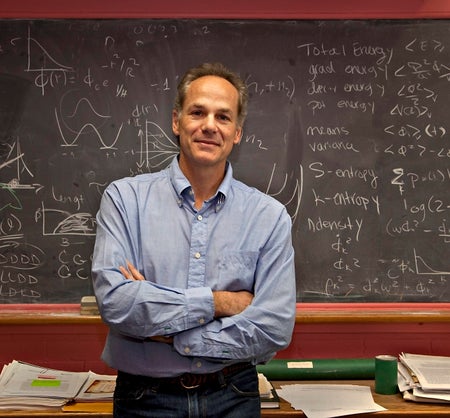
The More We Know, the More Mystery There Is
Physicist Marcelo Gleiser muses over the paradoxes of scientific progress
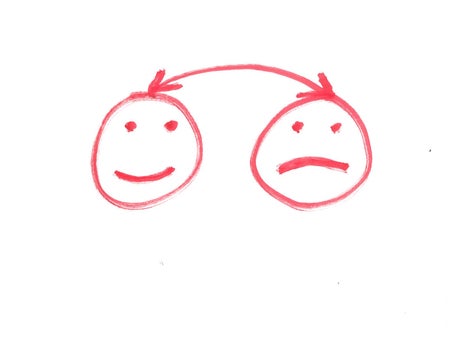
A Modest Proposal for Solving the Solipsism Problem
Philosopher Colin McGinn proposes that “brain splicing” could allow us to experience the consciousness of others
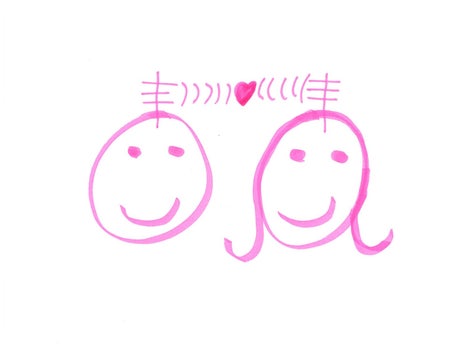
How Technology Can Make Valentine's Day Much, Much Better
Brain implants could eliminate miscommunication between lovers