
MedicineDecember 26, 2025
Seven Feel-Good Science Stories to Restore Your Faith in 2025
Immense progress in gene editing, drug discovery and conservation are just some of the reasons to be cheerful about 2025
Katie Kavanagh writes for Nature.
Seven Feel-Good Science Stories to Restore Your Faith in 2025
Immense progress in gene editing, drug discovery and conservation are just some of the reasons to be cheerful about 2025
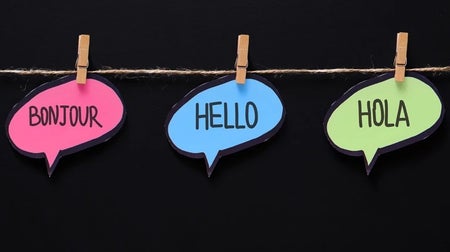
Learning Another Language May Slow Brain Aging, Huge New Study Finds
A large international study suggests that being multilingual can slow down cognitive aging

COVID Is Beginning to Surge Globally. Here’s What We Know
Limited COVID surveillance data are hampering vaccination and health strategies, researchers say
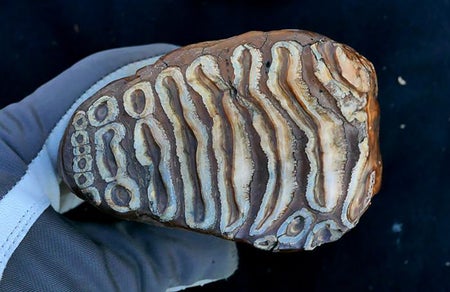
A Mammoth Toothache: Bacterial Community Discovered in Mouth of Ancient Mammoth
Genetic-sequencing techniques have identified microorganisms that lived in the mouths of ancient mammoths
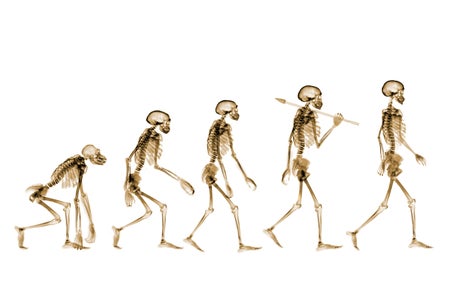
How Humans Became Upright: Key Changes to Our Pelvis Found
Genetic and anatomical data reveal how the human pelvis acquired its unique shape, enabling our ancestors to walk on two legs
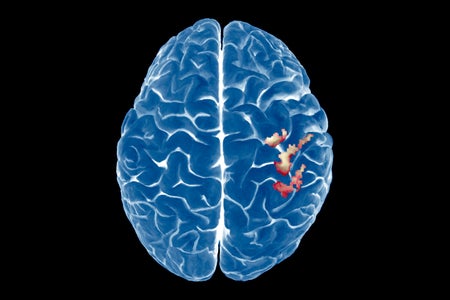
The Brain’s Map of the Body Is Surprisingly Stable—Even after a Limb Is Lost
The brain’s body map doesn’t reorganize itself after limb amputation, a study found, challenging a textbook idea in neuroscience
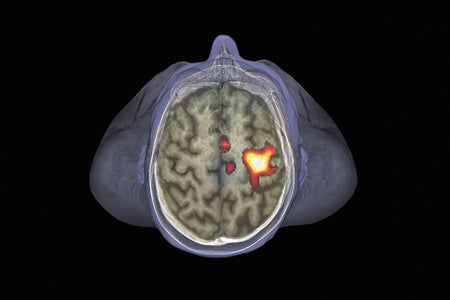
The Brain Fires Up Immune Cells When Sick People Are Nearby
When people viewed virtual avatars with coughs or rashes, their brain triggered an immune response

Brain Science Reveals Why Waking Up Can Be Such a Struggle
Neuroscientists have found that the brain can wake up in different ways, explaining why some mornings feel like a dream and some feel like a disaster