CultureMay 9, 2017
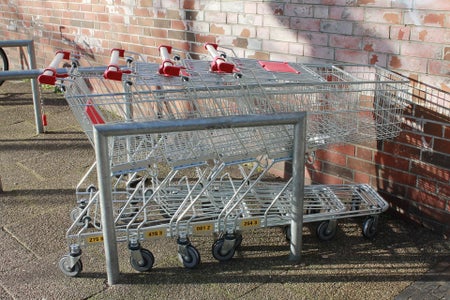
Follow-Up: The Reasons People Don't Return Their Shopping Carts
It looks like the shopping cart question hit a nerve
Krystal D'Costa is an anthropologist working in digital media in New York City. You can follow AiP on Facebook.
Follow-Up: The Reasons People Don't Return Their Shopping Carts
It looks like the shopping cart question hit a nerve
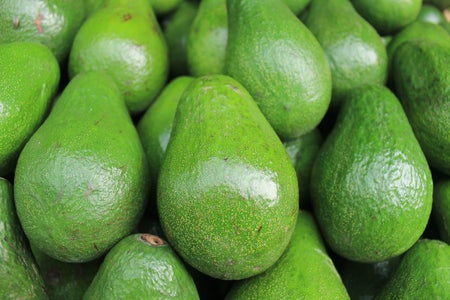
How Marketing Changed the Way We See Avocados
Once upon a time, Americans didn't know what to do with "alligator pears." Now we can't get enough
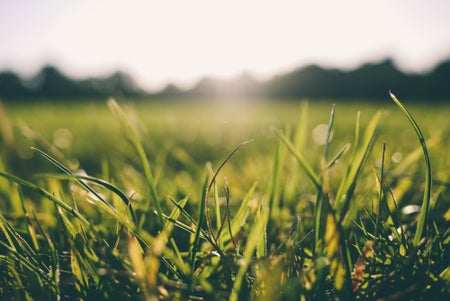
The American Obsession with Lawns
Lawns are the most grown crop in the U.S.—and they're not one that anyone can eat; their primary purpose is to make us look and feel good about ourselves
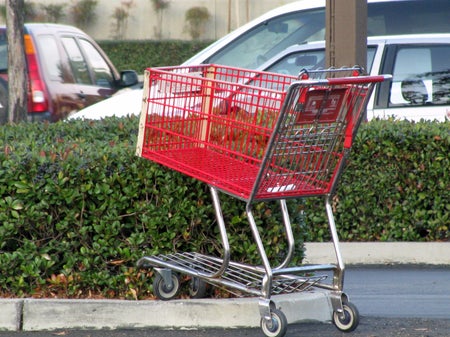
Why Don't People Return Their Shopping Carts?
Pulling up to a parking spot and finding a shopping cart there can be pretty frustrating. Why do people ignore the receptacle?

Why Do We Fight for Free T-Shirts at Sporting Events?
The return of baseball marks a new beginning for fans. This could be the year the team makes a championship run. Or maybe they'll see a rare no-hitter or, arguably even more elusive, catch a t-shirt from the fan patrol

What's the Meaning of Easter Baskets?

Perspective Drives Our Interpretation of Heroes and Villains in History
Capes. Masks. Is there a real difference between heroes and villains?

What Can Lunch Tell Us about Job Satisfaction?
The fictional financial supervillain Gordon Gekko once proclaimed, "Lunch is for wimps." But lunchtime habits in your workplace can actually tell you a lot about the health of your organization
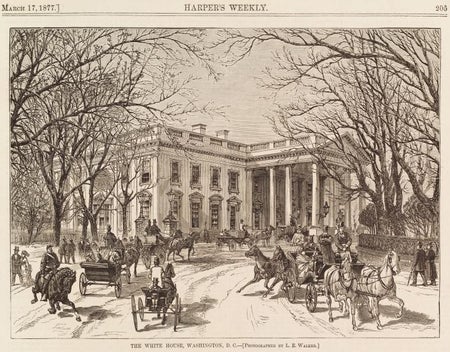
Why Is It Significant That the White House Tours Resume?
The tradition of an open house at the White House dates back to the administration of Thomas Jefferson. Why is this an important aspect of the American democratic process?
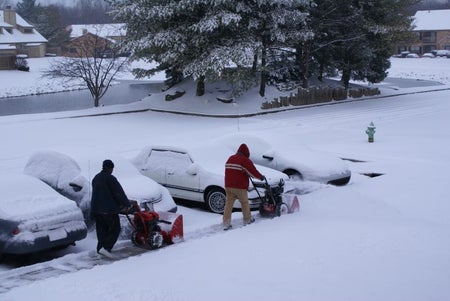
Is There a Social Code for Snow Removal?
Will you have help digging out after a snowstorm or are you the one offering help?
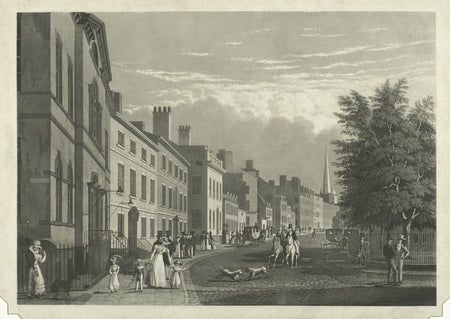
Did People Actually Bowl at Bowling Green?
Bowling Green has a history that has withstood the test of time
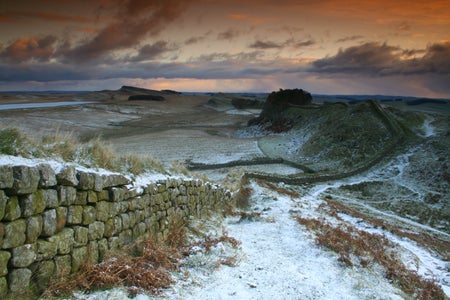
The (Anthropological) Truth about Walls
From the Great Wall of China to Hadrian's Wall to the New Amsterdam Wall on Wall Street to the Wall defended by Castle Black, walls have a long-standing place in history and pop culture to defend people. But they're sites of complex interactions, too
A Nation Divided by Social Media
How are you dealing with dissenting opinions in your news feed? And within your circle of friends and family?
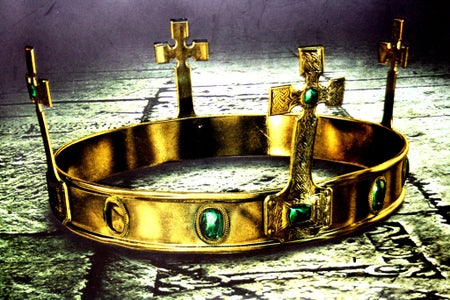
Understanding the Presidency as a Brand
Nothing can escape marketing--even the Romans knew this.
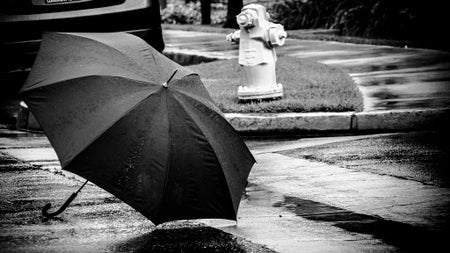
The Complexities of Using an Umbrella in New York City
Who yields to whom in the meeting of umbrellas on a city sidewalk?

The Social Benefits of Dinner Parties
Large group meals that are sponsored and produced by specific individuals are a luxury—both in terms of the foods that are served in these settings and the event itself—but they are also ripe with obligation.
The Importance of Holiday Cards
Sending written holiday greetings is not a new tradition. Holiday cards are new, however. Where did this practice come from and why does it persist?
What is Christmas Spirit?
Where does the idea of Christmas spirit come from and why does it hinge so much on behavior?
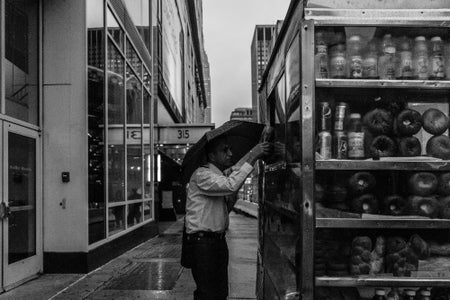
The Breakfast Economy
Whether or not breakfast actually is the most important meal of the day, the real emphasis seems to be on keeping weekday breakfast as low-key as possible

Green Thumbery: What Can the First Weeds Tell Us?
Weeds are the bane of gardening but they can help us learn how we arrived at agriculture's doorstep
Three Historical Examples of "Fake News"
History is littered with examples where the the facts were altered to suit a specific purpose. Here are three instances where falsified public accounts were used to chart the course of history
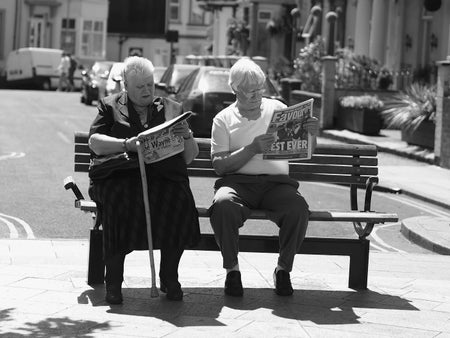
Understanding The Social Capital of Fake News
Why has fake news persisted? We've built the world to enhance our automatic assumption of the “right” action. Online social networks have been primed to reflect these assumptions of human behavior: We're not inclined to vet the information our friends show us because we've curated the experience to highlight things that are important to our network. Our default inclination is to trust our network.
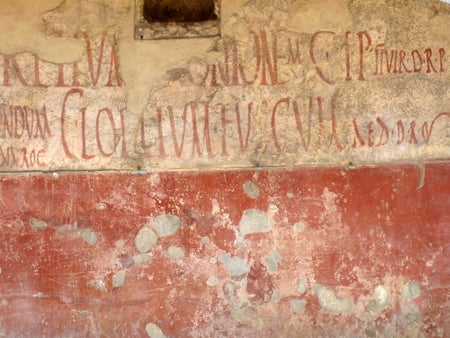
Post No Bills: The Ancient Romans Had a Version of Lawn Signs, Too
The American history of the political yard sign may date back to 1824 when John Quincy Adams had signs printed for his presidential run. Our current wireframe version seems to have originated in the 1960s. However, the legacy of this kind of political propaganda is much older

Why Do Postmortem Reviews Seem Destined to Fail?
Organizations need a mechanism to evaluate potential options for change. Is there anything salvageable from the postmortem?