Kidney DiseaseMarch 17, 2026
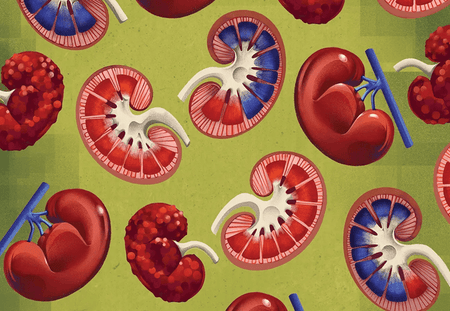
New ways to save kidneys
A series of novel treatments and medical insights is helping chronic kidney disease patients
Lauren Gravitz is a science journalist in San Diego, Calif., who has contributed to Nature, NPR, the Washington Post, MIT Technology Review and the Economist, among other publications. She is a 2021–2022 Knight Science Journalism Project Fellow at the Massachusetts Institute of Technology.
New ways to save kidneys
A series of novel treatments and medical insights is helping chronic kidney disease patients
New Hope in Alzheimer’s Research: A Special Report
Breakthrough therapies, new diagnostics and preventive measures for fighting a devastating disease

How to Make Progress in Health Equity
This collection shows what works to advance health equity around the world

New Hope for Treating People with Sickle Cell Disease
Improving sickle cell care by expanding treatment options, advancing new therapies and amplifying the voices of people with the disease

For Health Equity, Location Matters
A special package explores problems and solutions to the geography of injustice

COVID Rebound Can Happen Even without Paxlovid
Concerns about Paxlovid rebound are preventing some doctors from prescribing the lifesaving drug and some high-risk patients from taking it
The Urgent Need to Improve Health Equity
A special package highlights problems and solutions
The Importance of Spotting Cancer’s Warning Signs
Despite the vast resources aimed at finding ways to detect cancer early, more needs to be done
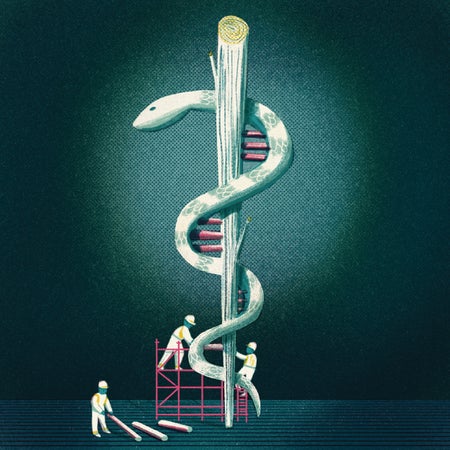
Gene Therapy Is Coming of Age
Various approaches are approved for treating blood cancers and a few rare disorders—they may soon become standard care

Does Autism Raise the Risk of PTSD?
The two conditions share many traits, but the connection has been largely overlooked until now

Autism's Drug Problem
Many people on the spectrum take multiple medications, which can lead to serious side effects and may not even be effective

Therapy: This Time It's Personal
Tailoring cancer treatment to individual and evolving tumours is the way of the future, but scientists are still hashing out the details