Public HealthNovember 6, 2017
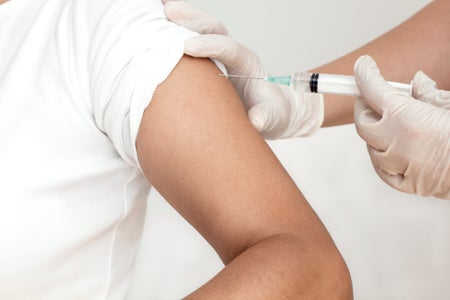
Flu Vaccine “Factories” Create Errors That Reduce Protection
Eggs used to grow viruses for flu shots trigger changes that leave people vulnerable
Melinda Wenner Moyer, a contributing editor at Scientific American, is author of Hello, Cruel World! Science-Based Strategies for Raising Terrific Kids in Terrifying Times (G. P. Putnam’s Sons, 2025).
Flu Vaccine “Factories” Create Errors That Reduce Protection
Eggs used to grow viruses for flu shots trigger changes that leave people vulnerable

More Guns Do Not Stop More Crimes, Evidence Shows
More firearms do not keep people safe, hard numbers show. Why do so many Americans believe the opposite?

A Long-Running Study Finds People's Characters Don't Remain Fixed
Some aspects of personality may be subject to change throughout life

What Science Says about How to Get Preschool Right
The push for rigorous prekindergarten education has overlooked the evidence on how young kids really learn best

The Serious Need for Play
Free, imaginative play is crucial for normal social, emotional and cognitive development. It makes us better adjusted, smarter and less stressed

If Trump Keeps His Promise on Paid Family Leave, Will Working Women Feel They Can Take It?
An analysis reveals that the percentage of new mothers who use family leave has remained flat since 1994

Tomorrow’s Criminal Justice
Untapped human abilities and new technologies could identify criminals and fight crime

New Kind of Antibiotic Resistance Shows Up on a Hog Farm
Bacteria that fight drugs called carbapenems show how easily microbes pick up medicine-defying traits

How Drug-Resistant Bacteria Travel from the Farm to Your Table
Antibiotic-resistant bacteria from livestock pose a deadly risk to people. But the farm lobby won't let scientists track the danger

The Hidden Risks of Poor Sleep in Women
Shift work and problems such as apnea may cause more trouble for women than men

What Science Really Says about Spanking
There’s little evidence that the punishment is useful, but debate continues

Dangerous New Antibiotic-Resistant Bacteria Reach U.S.
Woman infected with microbes that fight a last-line-of-defense drug; common infections could become untreatable

What Science Says—and Doesn't—about Spanking
Are kids being spanked for acting out or acting out because they’re spanked?

Unstructured Play Is Critical to Child Development
Free, imaginative play is crucial for normal social, emotional and cognitive development. It makes us better adjusted, smarter and less stressed

Heartburn Meds Alter the Gut
Acid blockers reduce the diversity of bacteria in the intestines—and that could lead to trouble
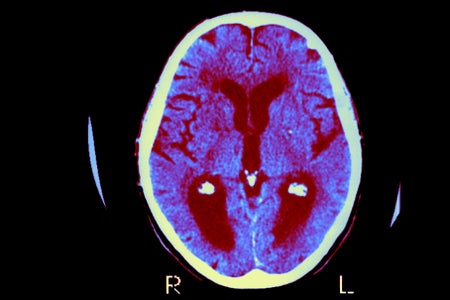
Controversial New Push to Tie Microbes to Alzheimer's Disease
A journal article says herpes virus and Lyme disease bacteria are behind the mind-robbing illness, but not all researchers are convinced

The Sunny Side of Smut
For most people, pornography use has no negative effects—and it may even deter sexual violence

A Safe Drug to Boost Brainpower
Rigorous analysis finds that the drug modafinil significantly enhances cognition during complex tasks

New Cause for Lyme Disease Complicates Already Murky Diagnosis
Scientists claim a novel bacterium causes some different symptoms, adding to the body of research showing the complexity of the disease

Eye Contact: How Long Is Too Long?
Research explores the factors that influence our tolerance for long mutual gazes

Sex: Seniors Find Answers Online
Older adults are seeking support and carnal knowledge from peers

Antioxidants May Make Cancer Worse
New animal studies explain why supposedly healthy supplements like beta-carotene could exacerbate a dread disease

Raised Hype about Lower Blood Pressure
The NIH has touted new health goals this summer without evidence for patient safety

Lyme Disease May Linger for 1 in 5 Because of "Persisters"
A new theory about long-lasting Lyme disease symptoms suggests treatment options