EvolutionMay 1, 2016
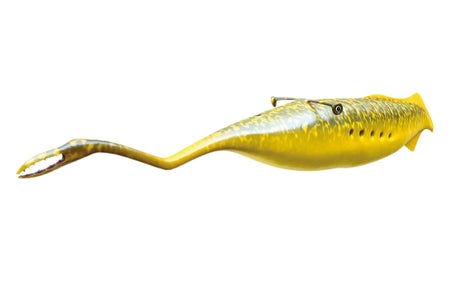
A Monster Comes out of Hiding
Researchers solve a long-standing phylogenetic mystery
Rachel Nuwer is a science journalist and author. Her latest book is I Feel Love: MDMA and the Quest for Connection in a Fractured World (Bloomsbury, 2023). Follow her on Bluesky @rachelnuwer.bsky.social
A Monster Comes out of Hiding
Researchers solve a long-standing phylogenetic mystery

Now Computers Can Tell When You're Bored
That ability could lead to more engaging coursework and machines that better understand human emotions

Can Ecotourism Save Myanmar's Wildlife? [Slide Show]
As the country transitions to modernity, the fate of its stunning biodiversity hangs in the balance

Meet Mount Everest's Meteorologist [Q&A]
Each spring Michael Fagin’s weather predictions could mean the difference between life and death
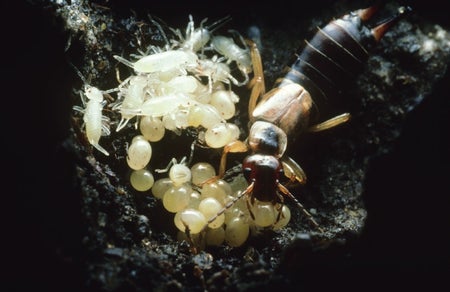
Orphaned Bugs Make Bum Parents
Researchers show earwigs pass trauma to their offspring

Cooling Panels Pull Heat from Buildings, Beam It into Space
A multipurpose mirror sucks up heat and beams it into outer space

Tweets Reveal a Twitter User's Income Bracket
An analysis of more than 10 million tweets shows that users unknowingly tip their socioeconomic status
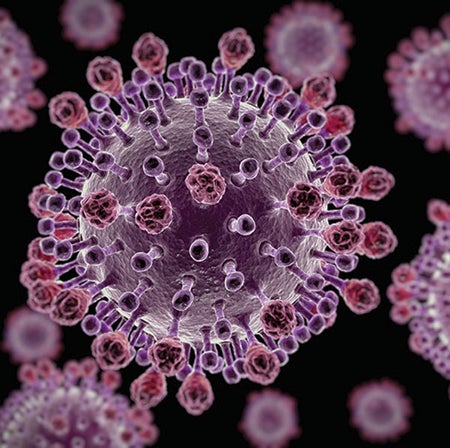
One Test Detects Every Vertebrate Virus
A new method identifies every virus in a given sample with near-perfect accuracy
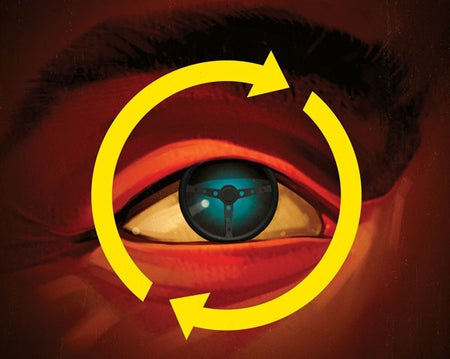
Algorithms Read Your Intentions by Tracking Your Eyes
Software that translates eye movement into commands to control devices could be a boon for motion-impaired people

In Israel Kids Cross Streets in Virtual Reality for Safety Science
Children lack the hazard-perception skills of adults, but training could bolster their ability to stay safe on the street
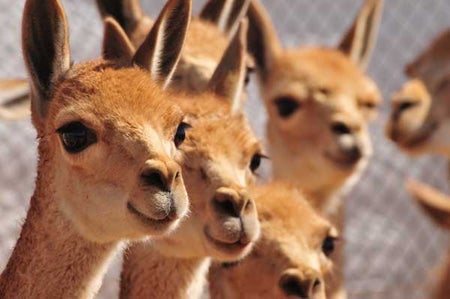
Poaching Upsurge Threatens South America's Iconic Vicuña
Over the past 50 years vicuñas were brought back from the brink of extinction. Now they’ve attracted the attention of poachers and international wildlife traffickers eager to turn a profit from the llamalike animals’ highly prized wool

New Powders Can Lift Poacher Prints from Ivory a Month after the Crime
Two new compounds can reveal criminals’ fingerprints on animal tusks and teeth up to 28 days after handling
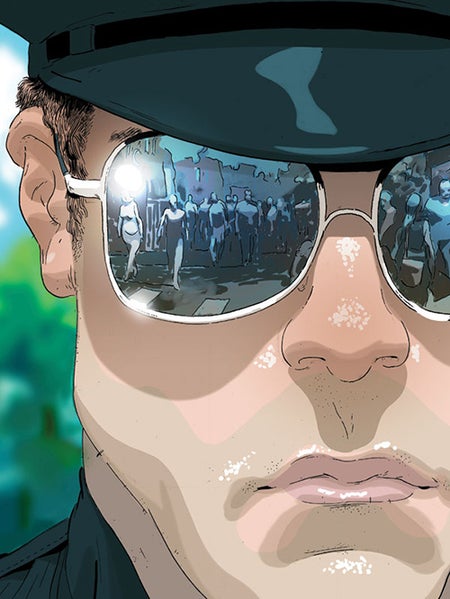
Why Cops Lose Control
What research shows about police violence and how to prevent it

Mother, May I ... Eat You?
Some velvet spiders offer up their bodies to their children—and make it easier for the kiddos to dig in by regurgitating their own tissues

2016 SATs Will Put Stronger Emphasis on Graphic Literacy
The standardized test undergoes its first redesign in more than a decade

Popcorn Physics 101: How a Kernel Pops
The puffy morsels have “legs” that propel them off the pan

Cockroaches Accumulate Light to See in the Dark
The household pests achieve night vision by pooling light signals over time
Smartphone Screens Correct for Your Vision Flaws
Self-correcting screens on smartphones and iPads tailor themselves to a viewer's vision—no glasses necessary
Wireless Gadget Recharging with Sound Waves
An efficient way to beam electricity through the air
New Class of Polymers Discovered By Accident
Eco-friendly polymers strong enough to use in cars and airplanes
Mystery of Scotch Whisky Rings Solved [Slide Show]
How a photographer’s curiosity led to new scientific insight into the fluid dynamics of binary liquids
Trillions of Tiny Plastic Pieces Reside in Arctic Ice
And they could be released as that lce melts
Sneezes Travel Even Farther Than We Thought
Up to 200 times farther...
Lyme Disease’s Possible Bacterial Predecessor Found in Ancient Tick
A juvenile tick trapped in a 15-million- to 20-million-year-old piece of amber contains a bacterium that could be the oldest documented ancestor of the microbe that causes Lyme disease