BehaviorMay 29, 2020
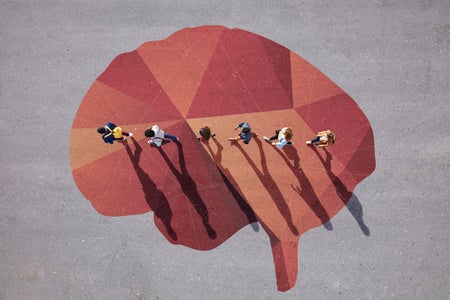
Your Brain, Free Will and the Law
Stanford University neuroscientist Robert Sapolsky talks about human behavior, the penal system and the question of free will.
Robert M. Sapolsky is a professor of biological sciences, neurology and neurological sciences at Stanford University and a research associate at the National Museums of Kenya. In his laboratory work, he focuses on how stress can damage the brain and on gene therapy for the nervous system. He also studies populations of wild baboons in East Africa, trying to determine the relation between the social rank of a baboon and its health.
Your Brain, Free Will and the Law
Stanford University neuroscientist Robert Sapolsky talks about human behavior, the penal system and the question of free will.
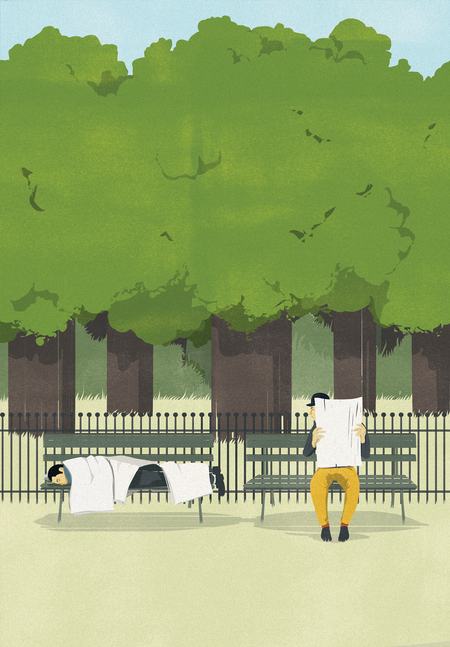
How Economic Inequality Inflicts Real Biological Harm
The growing gulf between rich and poor inflicts biological damage on bodies and brains
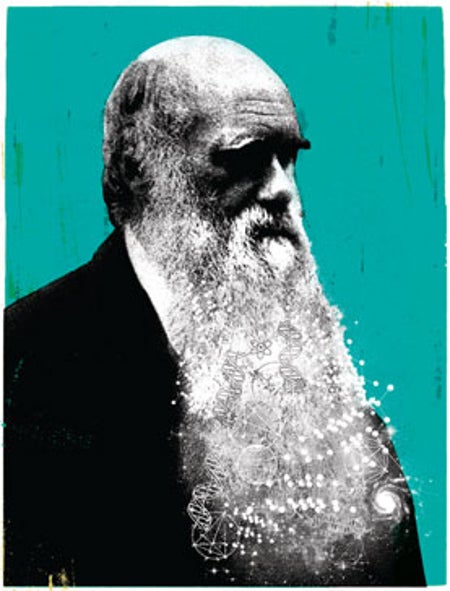
Aspiration Makes Us Human
Our drive to exceed our evolutionary limits sets us apart from other beasts

Sick of Poverty
New studiessuggest that the stress of being poor has a staggeringly harmful influence on health
Stressed-Out Memories
A little stress sharpens memory. But after prolonged stress, the mental picture isn't pretty
Your Personal Pathology
How will we feel when biology can name what makes each of us who we are?
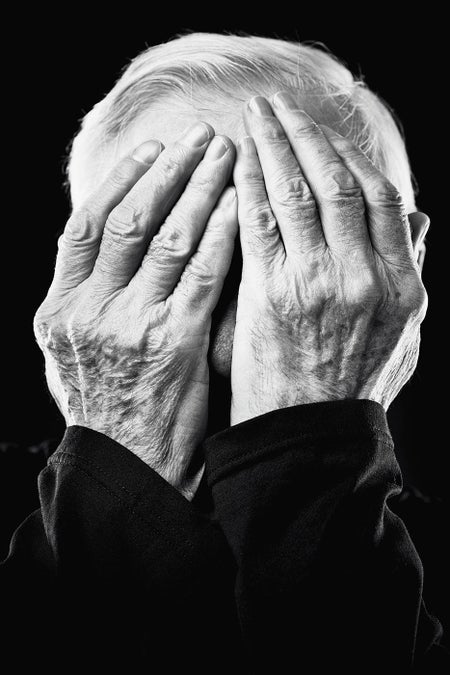
Taming Stress
New insights into the neurology of anxiety and depression—and how stress feeds them
Bugs in the Brain
Time for a bit of humility. Some microorganisms can manipulate neural circuitry better than we can

The Loveless Man ...
... who invented the science of love
Gene Therapy for the Nervous System
Inserting genes into brain cells may one day offer doctors a way to slow, or even reverse, the damage from degenerative neurological disease
Stress in the Wild
Studies of free-ranging baboons in an African reserve are helping to explain why human beings can differ in their vulnerability to stress-related diseases