
BehaviorMay 30, 2019
Rethinking the Infamous Stanford Prison Experiment
Newly revealed evidence suggests that putting people into positions of absolute control over others doesn’t necessarily lead to cruelty by itself
S. Alexander Haslam is a professor of psychology and Australian Laureate Fellow at the University of Queensland.
Rethinking the Infamous Stanford Prison Experiment
Newly revealed evidence suggests that putting people into positions of absolute control over others doesn’t necessarily lead to cruelty by itself

Trump’s Appeal: What Psychology Tells Us
Behind his unforeseen success in the 2016 election was a masterful use of group psychology principles

Is Trump Driving Recruits to ISIS?
Research in social psychology suggests that the answer is probably yes

The Politics of Hope: Donald Trump as an Entrepreneur of Identity
The president-elect won the election by artfully shaping and responding to his supporters’ views

Fueling Terror: How Extremists Are Made
The psychology of group dynamics goes a long way toward explaining what drives ordinary people toward radicalism
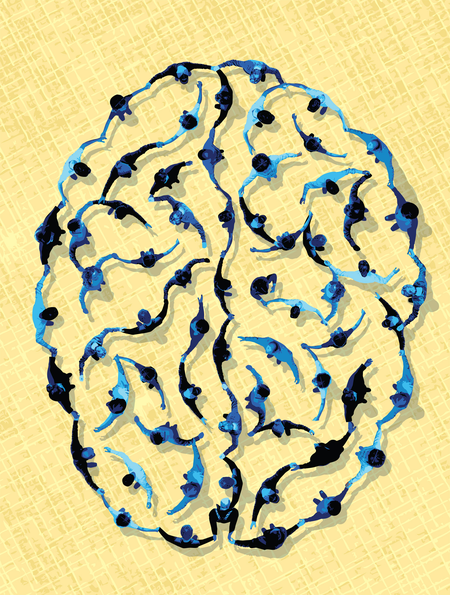
Creativity Is Collective
Personal experiences and character traits alone may not be enough to produce a prodigy. It takes a village

Depressed? Try the Social Cure
Your book club, card game or yoga class could be the key to lifting depression
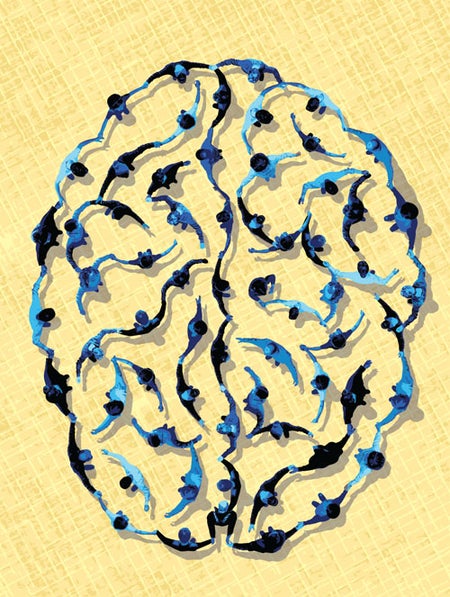
Creative Communities Are Key to Innovation
More than an expression of individuality, creativity takes shape in a social context

Group Dynamics Lend a Leader Charisma
Heads of state, chief executives and other leaders are not born with the power to inspire. They manufacture this magic dust in partnership with their followers

Culture of Shock
Fifty years after Stanley Milgram conducted his series of stunning experiments, psychologists are revisiting his findings on the nature of obedience

Cubicle, Sweet Cubicle: The Best Ways to Make Office Spaces Not So Bad
Why some office spaces alienate workers, whereas others make them happier and more efficient

Groups as Therapy?--Socializing and Mental Health
Membership in lots of groups—at home, work, the gym—makes us healthier and more resilient. Here's how—and why
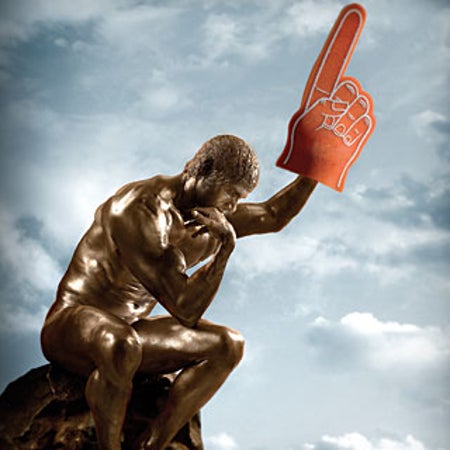
How Stereotyping Yourself Contributes to Your Success (or Failure)
People's performance on intellectual and athletic tasks is shaped by awareness of stereotypes about the groups to which they belong. New research explains why— and how we can break free from the expectations of others

The New Psychology of Leadership
Recent research in psychology points to secrets of effective leadership that radically challenge conventional wisdom
The New Psychology of Leadership
Recent research in psychology points to secrets of effective leadership that radically challenge conventional wisdom
I Think, Therefore I Err?
Research explores when we can make a vital decision quickly and when we need to proceed more deliberately