Space & PhysicsMarch 23, 2017
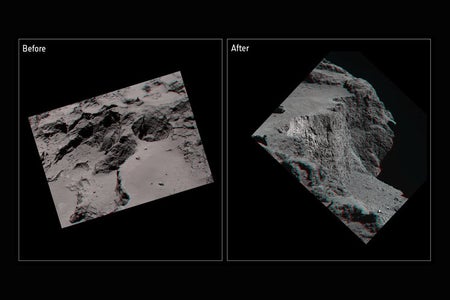
Comet Landslide Caught in Action
Images from the Rosetta spacecraft provide the first clear link between a comet's outbursts and changes upon the comet's surface
SPACE.com is the premier source of space exploration, innovation and astronomy news, chronicling (and celebrating) humanity's ongoing expansion across the final frontier.
Comet Landslide Caught in Action
Images from the Rosetta spacecraft provide the first clear link between a comet's outbursts and changes upon the comet's surface
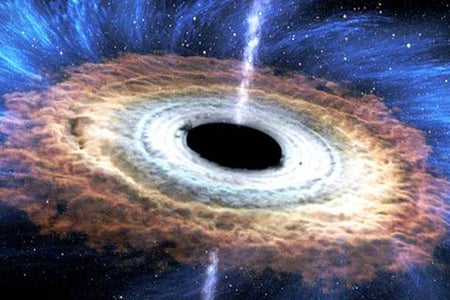
NASA Satellite Catches Star's Death by Black Hole
The Swift telescope has charted a star's plunge into a supermassive black hole at the core of a distant galaxy

Telescope Sets Sights on Universe's First Stars
New funding will help the HERA observatory to peer deeper into the cosmic past than ever before
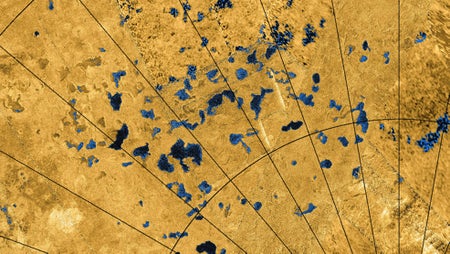
Titan’s Lakes May Fizz with Nitrogen
Bubbles of nitrogen gas may explain strange shape-shifting “magic islands” in the hydrocarbon seas of Saturn's largest moon
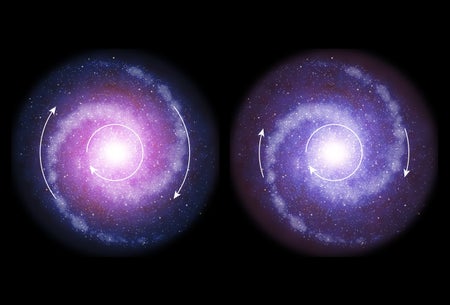
Dark Matter Did Not Dominate Early Galaxies
A new study finds the mysterious substance was at most a minor constituent of large galaxies in the early universe
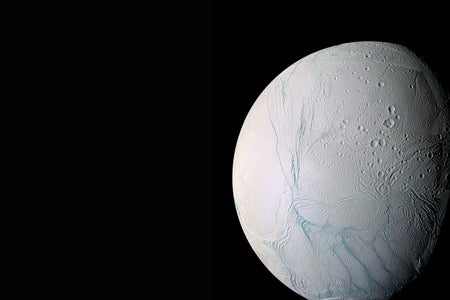
Enceladus's Buried Ocean Is Just beneath the Surface
New research suggests parts of the subsurface ocean are covered by as little as two kilometers of ice
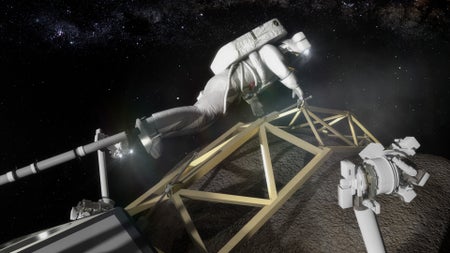
Trump’s NASA Budget Eliminates Crewed Mission to Asteroid
The Obama-era Asteroid Redirect Mission is one of several casualties of the $19.1-billion budget request
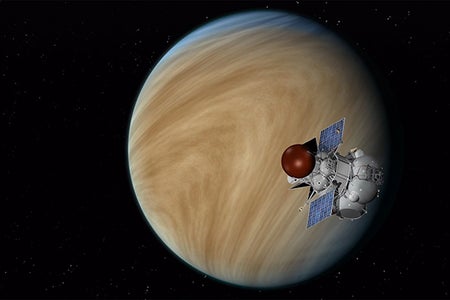
U.S. and Russia May Explore Venus Together
NASA officials are considering taking part in the upcoming Russian Venera D mission

Star in Record-Breaking Close Orbit around Black Hole
A white dwarf star in the globular cluster 47 Tucanae circles a black hole twice per hour
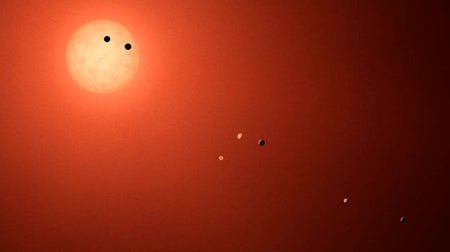
Kepler Telescope Releases Trove of Data on Newfound Earth-Size Exoplanets
The planet-hunting observatory stared at the TRAPPIST-1 system for nearly three months
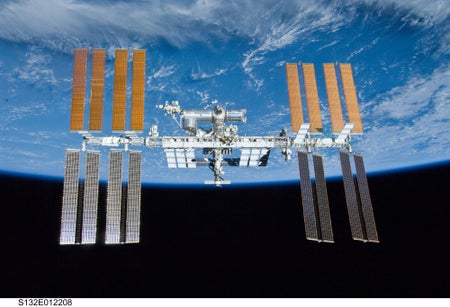
The International Space Station May Soon Host the Coolest Place in the Universe
The station's Cold Atom Laboratory will reach temperatures just a billionth of a degree above absolute zero
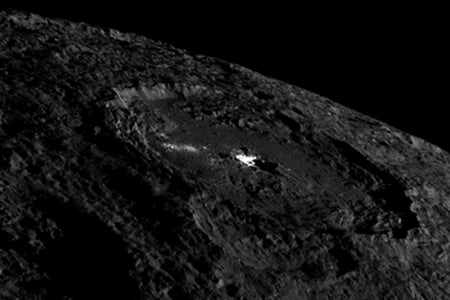
Dawn Spies More Signs of Ice-Spewing Volcanoes on Ceres
Geologically young deposits in a crater on the dwarf planet's surface were formed by brine erupting from below
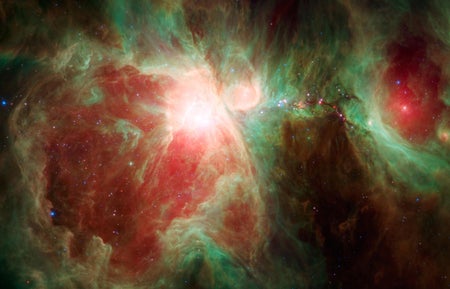
Balloon Telescope Searches for Universe's Baby Stars
New maps of galactic magnetic fields will enhance the study of stellar birth
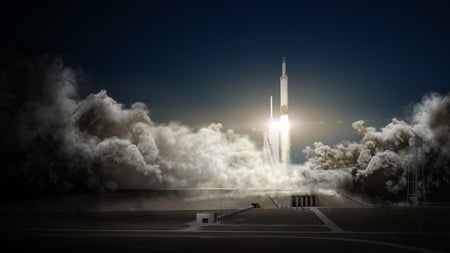
Could SpaceX Get People to the Moon in 2018?
The private launch company must overcome several hurdles to meet its aggressive schedule for an ambitious lunar mission
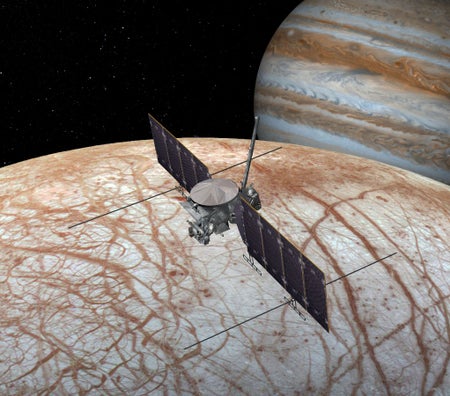
NASA’s Mission to Europa Enters Design Phase
Although it won't launch until the 2020s, the spacecraft's key components are being designed right now
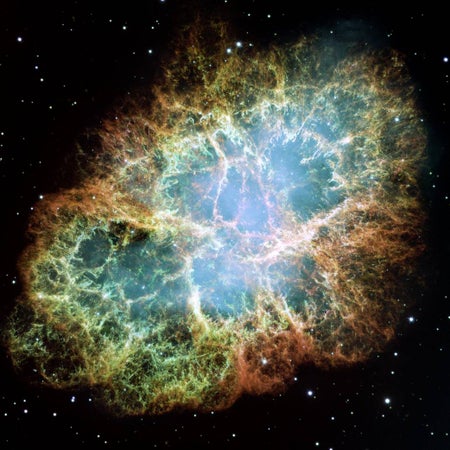
Physicists Catch Antimatter and Matter Misbehaving
Experiments at the Large Hadron Collider reveal subtle distinctions in how matter and antimatter decay
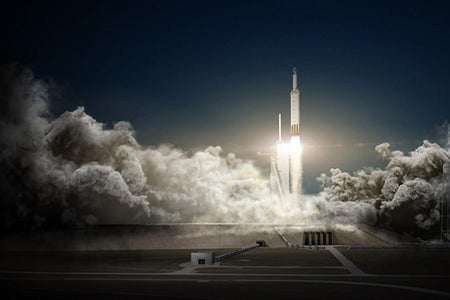
SpaceX to Fly Humans around the Moon as Soon as 2018
Two private citizens have already paid a "significant deposit" to reserve seats on the spaceflight company's nascent Falcon Heavy rocket
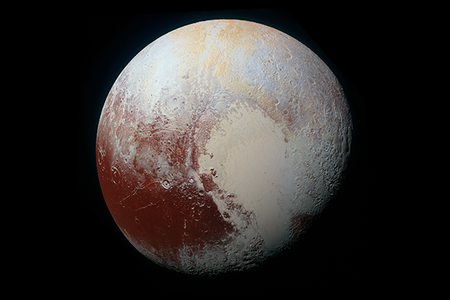
Nameless No Longer: Pluto's Geography to Receive Official Titles
An international group of astronomers is set to codify a crop of informal names for the dwarf planet's geographical features
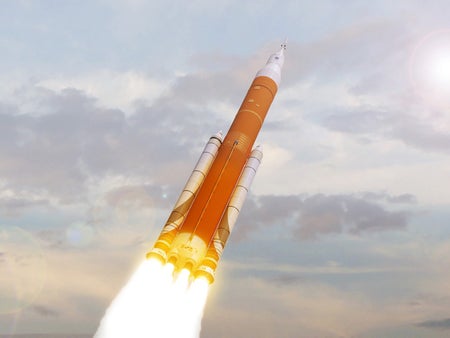
Trump Adviser Urges NASA to Fly Crew on Crucial Test Flight
The space agency is considering adding astronauts to the first lunar voyage of the Space Launch System rocket and Orion capsule
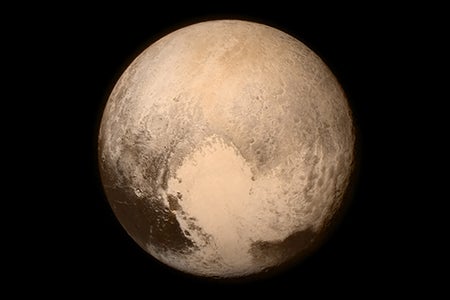
Could Pluto Regain Its Planethood?
A proposed new definition for what constitutes a "planet" could reinstate the demoted icy world
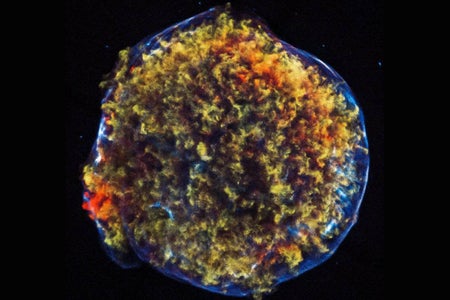
Astronomers Snap Supernova’s Baby Pictures
Images of an exploding dying star taken just a few hours after its detonation are revealing new details of stellar death
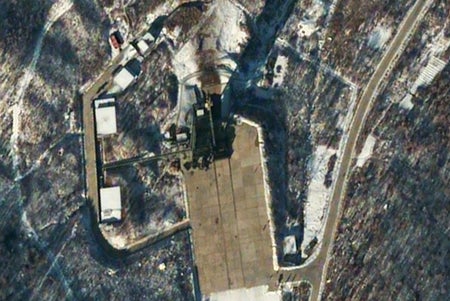
North Korea's Missile Threats to the U.S. May Not Be Empty for Long
North Korea has always talked the talk, and now it seems to be walking the walk as never before
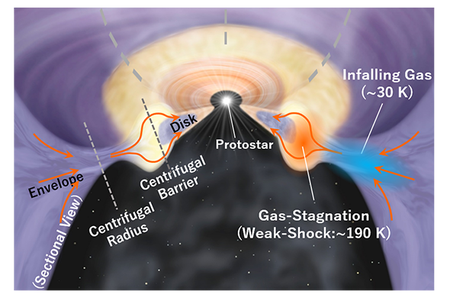
Astronomers Spy Dusty "Traffic Jam" in Young Star System
The newfound structures in disks of dust and gas around newborn stars could aid planet formation
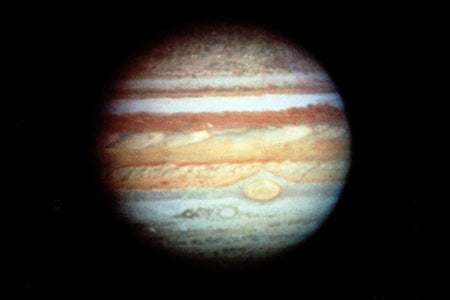
New Study Pins Down Jupiter's Birthday
The gas giant planet took shape within 4 million years of our solar system's formation