EvolutionJune 1, 2019
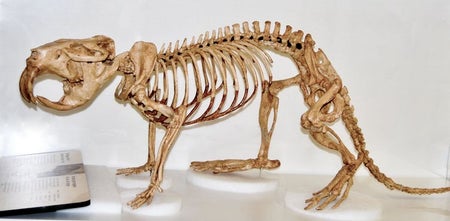
Why Giant Human-Sized Beavers Died Out 10,000 Years Ago
The now-extinct animals once lived from Florida to Alaska, and weighed as up to 100 kilograms
Curated by professional editors, The Conversation offers informed commentary and debate on the issues affecting our world.
Why Giant Human-Sized Beavers Died Out 10,000 Years Ago
The now-extinct animals once lived from Florida to Alaska, and weighed as up to 100 kilograms

El Niño Is Now Stronger and Stranger, Coral Records Show
Changes to El Niño influence precipitation and temperature patterns around the globe
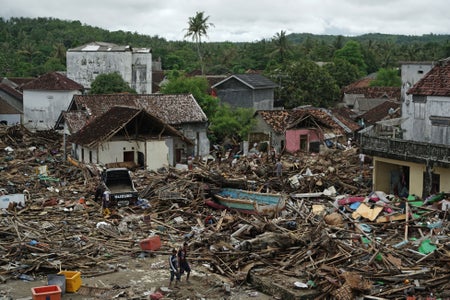
Why the “Child of Krakatau” Volcano Is Still Dangerous
The Dec. 22 landslide at the Indonesian volcano led to a predictable tsunami in the area

Illuminating the Dark Web
It might sound scary, but the ‘dark web’ is not much different from the rest of the internet
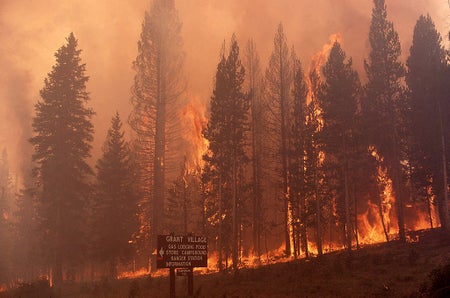
Yellowstone Rebounded from an Epic 1988 Fire—That May Be Harder in Future
As bigger wildfires occur more frequently, even ecosystems adapted to fire may have difficulty recovering

Why Is Glioblastoma, the Cancer That Killed John McCain, So Deadly?
Most people diagnosed with the disease survive less than two years
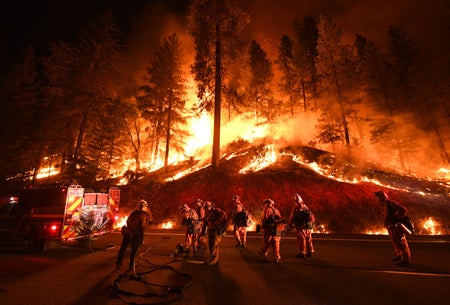
Wildfires Are Inevitable—Fatalities and Homes Losses Are Not
California needs to be better prepared for fires and change how it develops communities

Red Light Cameras May Not Make Streets Safer
Fear of fines may fuel more sudden stops and rear-end accidents

Computer Programmers Get New Tech Ethics Code
The guidelines come from the Association for Computing Machinery

Where the Pacific Northwest’s “Big One” Is More Likely to Strike
Differences observed along the Cascadia Fault explain why certain areas see more rumbling
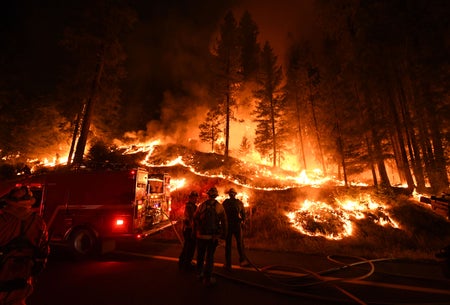
A Perfect Storm of Factors Is Making Wildfires More Expensive to Control
Longer wildfire seasons and development are driving up firefighting costs

Why Do Paper Cuts Hurt So Much?
The injury is too shallow to impair pain signals
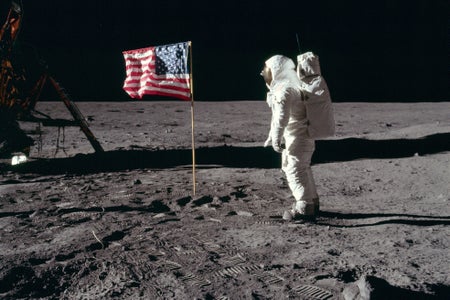
Who Owns the Moon? A Space Lawyer Answers
Did the Stars and Stripes on the moon signify the establishment of an American colony?

U.S. Health Care Companies Begin Exploring Blockchain Technologies
The goal is a health care system where patients have accurate and updated records that are secure against tampering or snooping

The Psychology of Roller Coasters
Perhaps the draw of roller coasters is the enjoyment of the visceral sensation of fear itself, much like watching a horror movie

Method of Making Oxygen from Water in Zero Gravity Raises Hope for Long-Distance Space Travel
One of the main challenges with long-distance space flight is transporting enough oxygen for astronauts to breathe and enough fuel to power complex electronics

Triple-Star Test Shows Einstein Was Right, Again
A natural stellar laboratory probes a prediction of general relativity to unprecedented precision

Can Ride-Hailing Improve Public Transportation Instead of Undercutting It?
Ride-hailing threatens does public transit but is also key to its future success with smart policies and the right price signals in place

How to Survive Hot Weather at Work--and Not Fall Out with Colleagues
The idea of a perfect office temperature is something of a red herring. Ultimately, people just want to have a level of control over their environments

Astronomy at the Speed of Light
Future space probes traveling at relativistic velocities would offer a unique vantage point for studying the universe
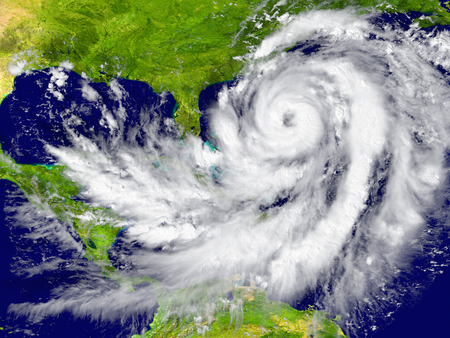
3 Reasons Why the U.S. is Vulnerable to Big Disaster
Many of us live in areas at risk, particularly along the coasts

How China Is Trying to Invent the Future as a Science Superpower
In its quest for scientific achievement, China’s research and development spending has grown rapidly over the past two decades, making it second only to the United States

How Tech Companies Are Trying to Disrupt Terrorist Social Media Activity
Google, Facebook, Twitter and Microsoft formed the Global Internet Forum to Counter Terrorism last year to prevent terrorists from exploiting their services
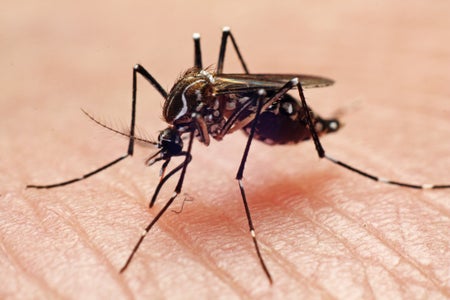
Why Your Summer Might Be Full of Mosquitoes
A scientist explains what makes some years worse than others