
BehaviorJune 22, 2018
Why Our Brains See the World as "Us" versus "Them"
Is there something in our neural circuits that leads us to find comfort in those like us and unease with those who may differ?
Curated by professional editors, The Conversation offers informed commentary and debate on the issues affecting our world.
Why Our Brains See the World as "Us" versus "Them"
Is there something in our neural circuits that leads us to find comfort in those like us and unease with those who may differ?
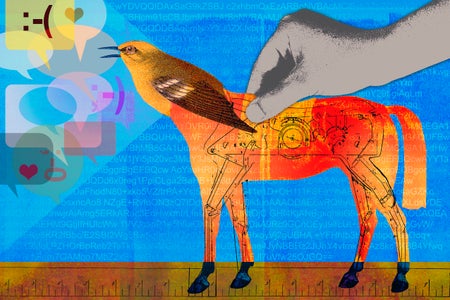
Biases Make People Vulnerable to Misinformation Spread by Social Media
Researchers have developed tools to study the cognitive, societal and algorithmic biases that help fake news spread

Sally Ride’s Legacy Lives On
35 years after making history as the first American woman in space, the late astronaut’s story is still inspiring young women to embrace science and engineering

New European Rules May Give US Internet Users True Privacy Choices for the First Time
The GDPR may offer a way forward that allows consumers to reclaim control of their information

Living with Neighborhood Violence May Shape Teens’ Brains
Researchers say they have linked such exposures with downstream effects
Can Facebook Use AI to Fight Online Abuse?
The task of detecting abusive posts and comments on social media is not entirely technological

Could Science Diplomacy Be the Key to Stabilizing International Relations?
As a common and apolitical language, science brings allies and adversaries together with technology and innovation to address cross-border challenges

Suicide Prediction Remains Difficult Despite Decades of Research
Medical professionals say the causes, predictors are too complex

Could Connected Cars Pose a New Threat to Smart Cities?
Next-generation transportation systems are relatively easy to trick

Does Killing Sharks, Wolves and Other Top Predators Solve Our Conflicts with Them?
In spite of their ecological, economic and cultural significance, predators are among the most heavily persecuted animals, due to conflict with humans and their assets

Jurassic World: Can We Really Resurrect a Dinosaur?
The Jurassic Park franchise has sparked an interest in dinosaur DNA, but the movies are just fiction
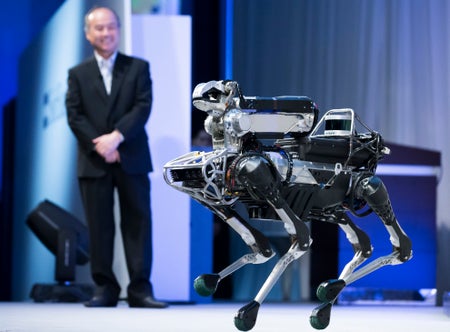
Why Do Robots Look Like Animals and Humans?
Boston Dynamic’s cute and uncannily realistic canine-bot is just one of many robots that are inspired by the natural world

Should We Always Trust What We See in Satellite Images?
People need to understand the technology’s limitations to avoid misinterpreting what they see
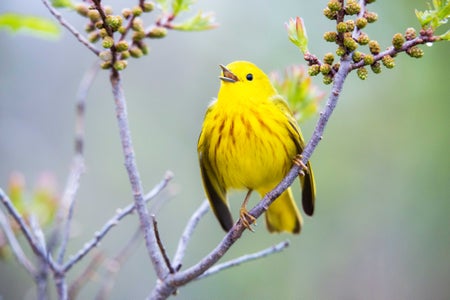
Can Yellow Warblers Adapt to a Warmer Climate?
Scientists work to understand vulnerability to global warming at the level of animals’ DNA

Are We Really Prepared for the Genetic Revolution?
Genetic data could lead to more personalized, meaningful education, but only if parents, teachers and policymakers understand genetics well enough to correctly use the information

Personality Tests with Deep-Sounding Questions Provide Shallow Answers about the “True” You
A desire for deep insight can lead to deep confusion
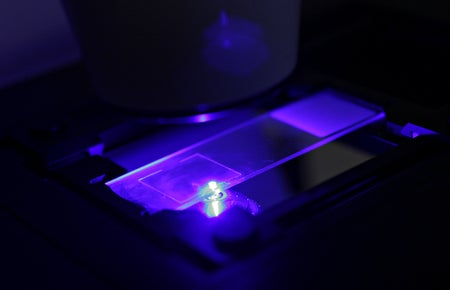
Bendy Laser Beams Can Examine Human Tissue Like Never Before
Light-sheet fluorescence microscopy could lead to less intrusive and more effective diagnosis for patients
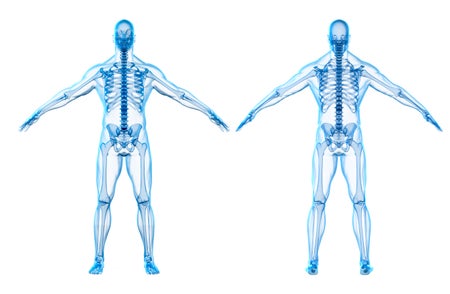
What You See in a 3-D Scan of Yourself Could Be Upsetting
The actual and idealized images may not match up
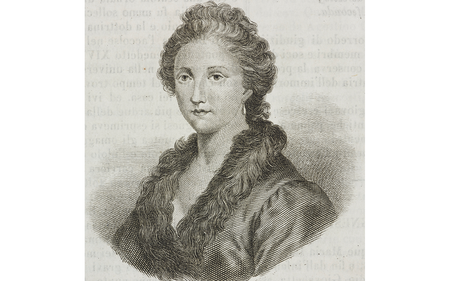
Maria Agnesi, the Greatest Female Mathematician You've Never Heard of
Born 300 years ago this month, Agnesi was the first woman to write a mathematics textbook and to be appointed to a university chair in math
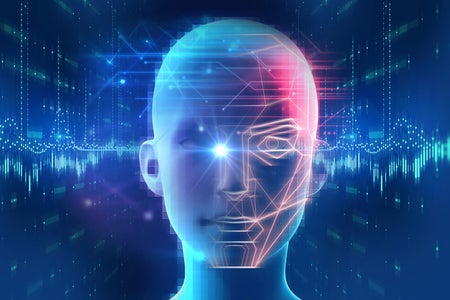
Can Gender Be Computed?
The use of algorithms to guess a person’s gender based on images, video or audio raise significant social and ethical concerns yet to be fully explored

Chemotherapy Timing Could Influence How Well the Treatment Works
Circadian clocks influence DNA repair processes

Can Artificial Intelligence Help Find Alien Intelligence?
Scientists are considering whether AI could help us search for alien intelligence in ways we haven’t even thought of yet

4 Ways “Internet of Things” Toys Endanger Children
Such toys wirelessly connect with online databases to recognize voices and images, identifying children’s queries, commands and requests and responding to them

A Hangover Pill? Tests on Drunk Mice Show Promise
The treatment decreased rodents’ blood alcohol level by 45 percent