AstrophysicsMay 15, 2023
Is Time Travel Even Possible?
Two SciAm editors duke it out to see if wormholes and multiverses could in fact exist.
Is Time Travel Even Possible?
Two SciAm editors duke it out to see if wormholes and multiverses could in fact exist.
Do We Need To Save the Whales Again?
A scientist who does whale necropsies — or in layman's terms, whale autopsies — tells us why so many dead whales are washing up on beaches.

The Surprising Backstory behind Witch Hunts and Reproductive Labor
Two of the foremost experts on witch hunts talk about the link between the formation of domestic labor and the rise of witch hunting.

What You Need to Know about GPT‑4
The AI GPT-4 has emergent abilities—but that’s not why it’s scary.
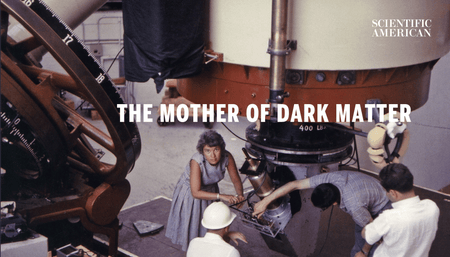
Vera Rubin Lives On in Lives of the Women She Helped in Astronomy
The “mother of dark matter” was a force of nature—and a forceful advocate for other women who wanted to dedicate their career to the cosmos.
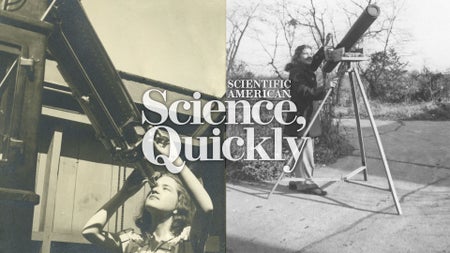
Cosmos, Quickly: Remembering the Genius of Vera Rubin
Vera Rubin went from a teenager with a cardboard telescope to the “mother of dark matter.” Some of her colleagues and mentees weigh in on her fascinating life and how she was a champion for women in astronomy.
RSV Vaccines Are Coming At Last: Your Health, Quickly, Episode 2
A vaccine pioneer tells us that shots to protect against RSV—a dangerous virus for babies and older people—are finally nearing approval.
How To Stop a (Potentially Killer) Asteroid
We slammed a $330-million spaceship the size of a dairy cow into an asteroid the size of the Great Pyramid of Giza. Here’s what we’re learning about how our first step in planetary defense could save us in the future.
The Pandemic’s Mental Toll, and Does Telehealth Work? Your Health, Quickly, Episode 1
Hosts Josh Fischman and Tanya Lewis explore the pandemic’s mental health toll on teens and young adults. They also delve into the effectiveness of telehealth, which has been booming since the start of the pandemic.
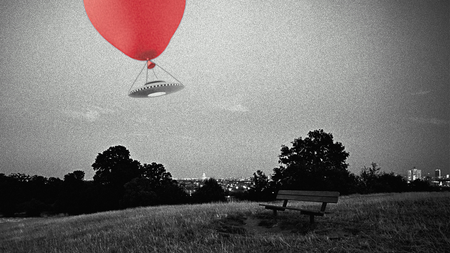
Sorry, UFO Hunters—You Might Just Be Looking at a Spy Balloon
From space aliens to foreign surveillance, we spoke to experts to find out what’s really going on with the balloon brouhaha.
Coming Soon to Your Podcast Feed: Science, Quickly
A new era in Scientific American audio history is about to drop starting next week. Get ready for a science variety show guaranteed to quench your curiosity in under 10 minutes.

Decoded: Aging
What really happens to our bodies when we age—and could we find a way to slow it down?
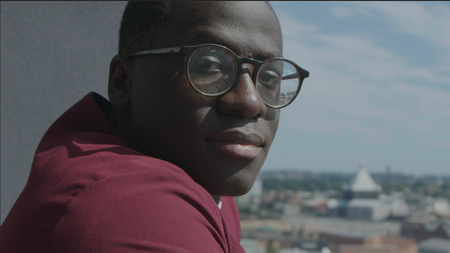
Meet the Medical Student Challenging Racial Bias with TikTok
Medical influencer Joel Bervell is challenging racism in health care, one TikTok at a time.
How Vaccines Saved Money and Lives and China’s Zero-COVID Protests: COVID, Quickly Podcast, Episode 44
Vaccines saved New York City billions of dollars, and China faces public fury over its strict virus-control policies.
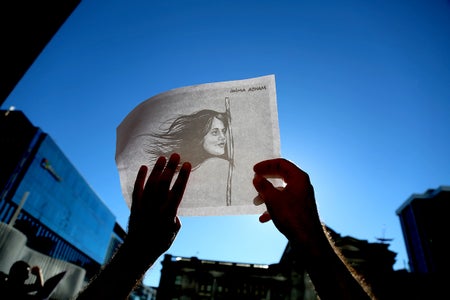
What You Need to Know about Iran’s Surveillance Tech
Scientific American technology editor Sophie Bushwick explains how Iran is using surveillance tech against vulnerable citizens.
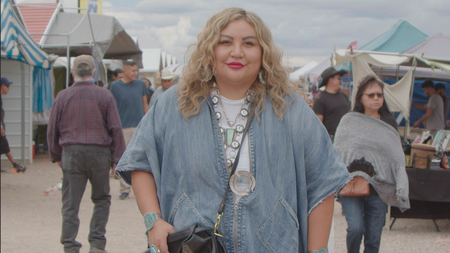
This Indigenous Scientist Helped Save Lives as COVID Devastated the Navajo Nation
Crystal Lee grew up the granddaughter of Navajo medicine men. As COVID wreaked havoc on her community, she decided to act
What the Disease Feels Like, and Presidents Can’t End Pandemics: COVID, Quickly, Episode 39
On this episode of the COVID, Quickly podcast, Josh Fischman gets COVID, and President Joe Biden says the pandemic is over.
Unvaxxed Kids and 8 Days a Week (of Isolation): COVID, Quickly, Episode 38
This is our second back-to-school special episode of COVID. Quickly. Today we talk about two big issues: the low vaccination rates among the littlest kids and how long you should quarantine after being sick (actually).
Back-to-School Special: Kids, Tests and Long COVID Reassurance: COVID, Quickly, Episode 37
This is our back-to-school special episode of COVID, Quickly. We’ll talk about why COVID testing is about to become a school problem—and about whether or not kids are at risk for long COVID.
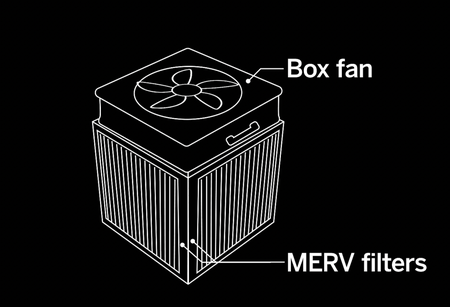
How to Improve Indoor Air Quality
Why do we pay attention to the quality of our drinking water but not to our indoor air? Scientific American senior health editor Tanya Lewis explains how and why this matters.
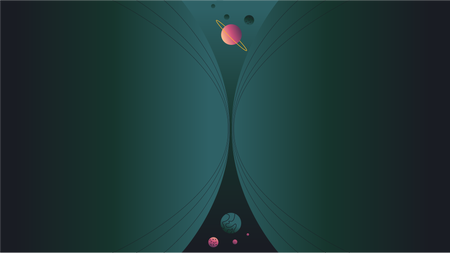
Hawking, a Paradox and a Black Hole Mystery, Solved?
We do not have a theory to tell us everything about how a black hole works, but new research is shedding a least some light on one of their many mysteries.
Monkeypox Update and Homing in on Long COVID: COVID, Quickly, Episode 36
On this episode of the COVID, Quickly podcast, we take a few minutes to talk about the other virus making headlines—and then return to long COVID.
How Common Are Reinfections? And How Trust Can Beat the Virus: COVID, Quickly, Episode 35
On this episode of the COVID, Quickly podcast, we talk about getting reinfected with the coronavirus just a month or two after an earlier bout—and the difference that trusting others can make in a pandemic.
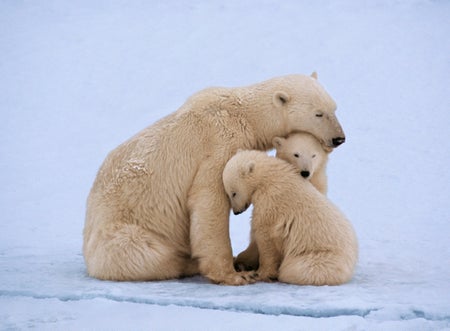
Polar Bears That Persist
A new subpopulation of Greenland polar bears offers insights into how this species might hang on as Arctic ice disappears.