
The SciencesJuly 17, 2014
Cheese Rinds Help Researchers Study Microbial Ecosystems
Microbes live in dense and diverse communities. There are billions of bacteria from thousands of species living together in your gut or in the soil.
Cheese Rinds Help Researchers Study Microbial Ecosystems
Microbes live in dense and diverse communities. There are billions of bacteria from thousands of species living together in your gut or in the soil.
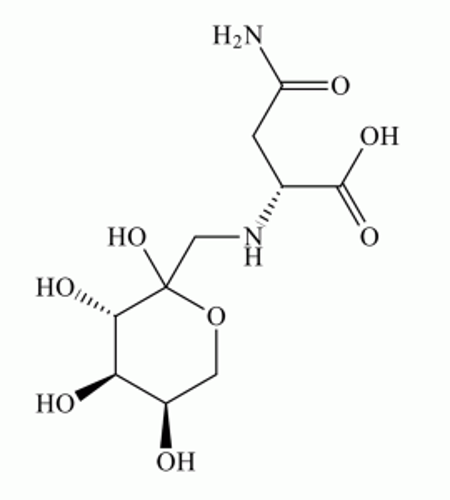
Salmonella Prefers One Gut Nutrient Once Pathogenic
As antibiotic resistance increases the search for new anti-bacterial treatments becomes more and more important. One way to design anti-bacterials is to find specific biochemical pathways that the bacteria require to survive, and develop drugs that block off these pathways.

“Smuggler” Protein Finding Could Be Used to Disrupt Bacterial Cell Walls
Stopping bacteria from maintaining their cell walls could lead to new ways to treat infections
From the archives: Chameleon bacteria!
This post was originally published in “Life of a Lab Rat” on Wednesday 3rd February 2010. Chameleon bacteria This is a picture of a small cyanobacteria under red light: And this is a picture of exactly the same organism under blue-green light: Some cyanobacteria have the ability to change their colour depending on external conditions.
Breaking down the city walls: small molecules that target bacterial biofilms
Although bacteria are single celled organisms, they are capable of working together in massive bacterial colonies known as biofilms. Within the biofilm bacteria will differentiate to perform different tasks, all wrapped up within a sticky substance that holds the cells together.
Which Bacteria Are in My Poop? It Depends Where You Look
This is a guest post from my friend and former colleague Tami Lieberman. She’s a postdoc in the Kishony Lab in the Department of Systems Biology at the Harvard Medical School, and you follow her on twitter @conTAMInatedsci.
A universe of nothing but shrimp
When studying bacteria, human pathogens always get a lot of interest and free press. Pathogens of smaller and less important seeming animals, such as shrimp, tend to generate less press interest.
Denizens of the Dirt: A Map of Microbes Across California
I’ve recently been working on a new project with Ellie Harmon about dirt. Ellie hiked the Pacific Crest Trail last year, the 2,663 miles from the US border with Mexico to the border of Canada.
The bacteriophages of tuberculosis
I’ve written previously about bacteriophages, the viruses that infect bacteria, and I studied them for my first lab project. So I was pretty excited by a lovely little pearl in PLoS Pathogens last month discussing mycobacteriophages; the viruses that specifically attack mycobacteria.
MRSA Spreads in Households
Drug-resistant bacteria have found refuge in residences in parts of New York City
Fighting bacteria with weapons from fungi
In order to survive, organisms produce small molecules known as ‘primary metabolites’ which help it to grow, develop and reproduce.
The pathogen detectives: sourcing the post-earthquake cholera outbreak in Haiti
Natural disasters such as earthquakes can have far-reaching effects beyond the damage caused on the day they occur. The 2010 earthquake in Haiti damaged the already limited sanitation systems leading to areas without adequate toilet and washing facilities; perfect for the spread of infection diseases.