
BehaviorFebruary 25, 2021
On the Other Side of That Pandemic Wall
Top things our brains need to help us get through the coming months
On the Other Side of That Pandemic Wall
Top things our brains need to help us get through the coming months
How to Restore America’s Humanity
Guaranteeing economic security is crucial. So is sending the message that every one of us matters


A Vaccination against the Pandemic of Misinformation
False beliefs, similar to those seen in Alzheimer’s patients, may result from a lack of science literacy

Entitled People Are More Likely To Be Angry at Bad Luck
Even when nobody is to blame, some feel they were victimized

It’s Time to Take the Penis off Its Pedestal
A culture of phallus worship has slanted science in crucial and sometimes unexpected ways

How to Stop Doomscrolling News and Social Media
“Doomscroll Reminder Lady” Karen K. Ho explains how to step away from the screen

White Chicago Cops Use Force More Often Than Black Officers
A new study of the city’s policing also shows differences between male and female cops

The Benefits of Being Yourself Online
Research shows being authentic leads to a happier life

Humans Are Pretty Lousy Lie Detectors
Whenever we hear someone speak, we form an opinion about their believability. But our eyes and ears can lead us astray
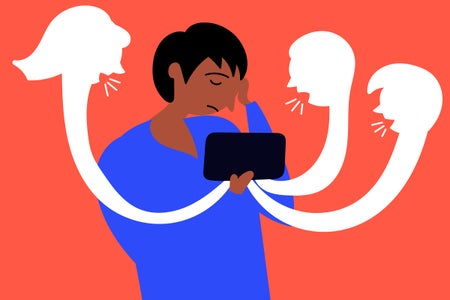
How AI Is Learning to Identify Toxic Online Content
Machine-learning systems could help flag hateful, threatening or offensive language

What Chimpanzees Can Teach Us about Human Friendships
Changes in social relationships over the apes’ lifetimes provide clues about both animal and human cognition

From Civil Rights to Black Lives Matter
Protest expert Aldon Morris explains how social justice movements succeed