
ChemistryMay 11, 2020
Lemur Flirting Uses Common Scents
To entice female ring-tailed lemurs, males rub wrist secretions, which include compounds we use in perfumes, onto their tail and then wave it near the gals.
Lemur Flirting Uses Common Scents
To entice female ring-tailed lemurs, males rub wrist secretions, which include compounds we use in perfumes, onto their tail and then wave it near the gals.
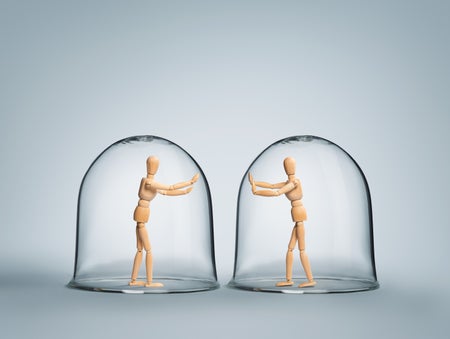
How Behavioral Science Can Help Contain the Coronavirus
A new global survey could help us understand why some people follow the rules for avoiding COVID-19 and others don’t


Addressing the Stigma That Surrounds Addiction
Health care already has effective treatment tools, including medications, but many people who could benefit are reluctant to seek them out
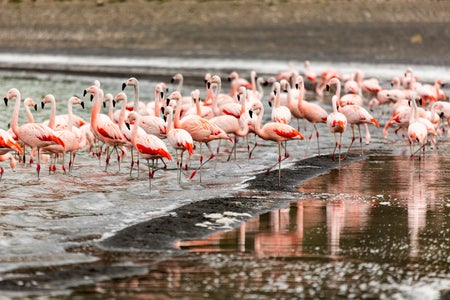
Flamingos Can Be Picky about Company
They don’t stand on one leg around just anybody but often prefer certain members of the flock.

The COVID-19 Response Is Failing Communities of Color
To build trust with traditionally underserved groups, health officials need to craft their messaging in a much more culturally sensitive way

People Don’t Have to Succumb to Anxiety during This Pandemic
That emotion is natural in a situation like this, but there are ways to mitigate it

Galileo’s Fight against Science Denial
Astrophysicist and author Mario Livio talks about his latest book, Galileo: And the Science Deniers, and how the legendary scientist’s battles are still relevant today.

Should You Immerse Yourself in Bad News These Days or Ignore It Completely?
Neither approach is ideal. The best option is to temper your negative emotions by focusing on positive ones

COVID-19 and the Harsh Reality of Empathy Distribution
Empathy is a complex trait, like courage or height. Inevitably, some individuals inherit fewer pro-empathy genes than average

Masks and Emasculation: Why Some Men Refuse to Take Safety Precautions
They think it makes them look weak, and avoiding that is evidently more important to them than demonstrating responsible behavior
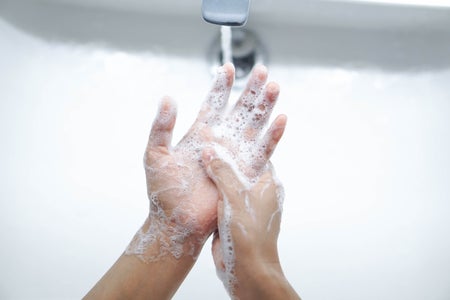
Hygiene of Hand and Mind during the Pandemic
Making handwashing a meditative practice can help us focus on humanity’s interconnectedness with the environment

Will Americans Be Willing to Install COVID-19 Tracking Apps?
Many would, but it depends on what organizations are distributing them