
BehaviorApril 4, 2020
How Can You Tell If You Have Perfect Pitch?
Some famous musicians—from Mariah Carey to Jimi Hendrix—have a gift known as perfect pitch. What is it? Could you have it, too?
How Can You Tell If You Have Perfect Pitch?
Some famous musicians—from Mariah Carey to Jimi Hendrix—have a gift known as perfect pitch. What is it? Could you have it, too?
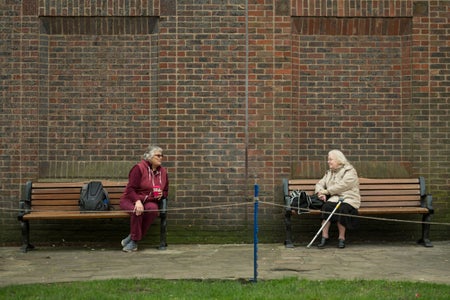
Polling Shows Signs of Public Trust in Institutions amid the Pandemic
The ongoing effort to fight COVID-19 wins broad support, even across partisan divides

Our Trust in Science Is Complicated
In an era of big research, having confidence in scientists, individually or collectively, involves trade-offs
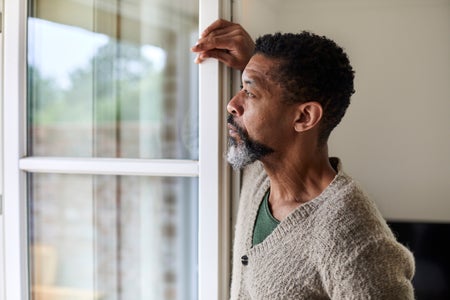
The Loneliness of the “Social Distancer” Triggers Brain Cravings Akin to Hunger
A study on isolation’s neural underpinnings implies many may feel literally “starved” for contact amid the COVID-19 pandemic
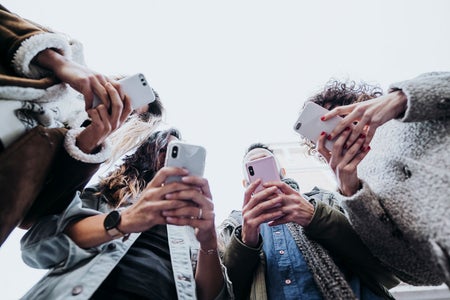
How Twitter Is Changing Medical Research
From online journal clubs to “tweetorials” to conference updates, social media is changing the dissemination and discussion of biomedicine
Effective Psychological Therapy May Slow Cellular Aging
Cognitive-behavioral therapy improved both symptoms and markers of senescence in people with anxiety

Be Yourself—Everyone Else Is Taken
How to find meaning in life through authentic and autonomous living

To Flatten the COVID-19 Curve, Target the Subconscious
Getting people to comply with social distancing policies is basically an exercise in marketing
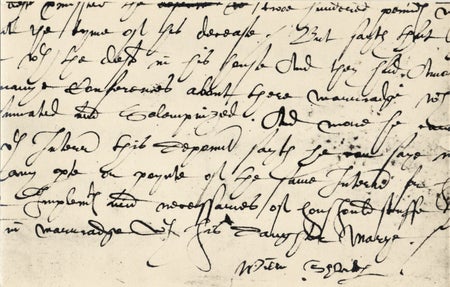
Must We All Become More Creative because of the Pandemic?
It worked for Shakespeare and Isaac Newton during plagues, but let’s not put more pressure on ourselves than we already have
Why Some People Resist Advice on How to Behave in the Pandemic
The reason is a phenomenon called “solution aversion”
What Flat Earthers Believe and Why
Michael Marshall, project director of the Good Thinking Society in the U.K., talks about flat earth belief and its relationship to conspiracy theories and other antiscience activities.
As COVID-19 Spreads, So Do Negative Stereotypes of the Young and the Old
The pandemic is leading to an outbreak of age discrimination