
BehaviorMarch 27, 2020
Connecting with Voters in a Time of Social Distancing
Research suggests a powerful way to get out the vote without having to canvas in person
Connecting with Voters in a Time of Social Distancing
Research suggests a powerful way to get out the vote without having to canvas in person
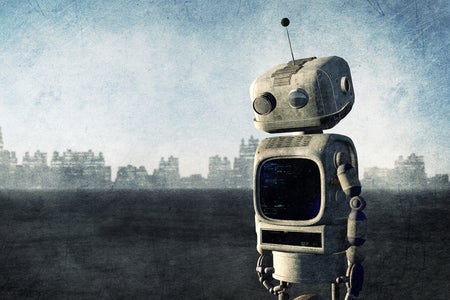
Empathy Machine: Humans Communicate Better after Robots Show Their Vulnerable Side
The behavior of such machines influences how people treat one another

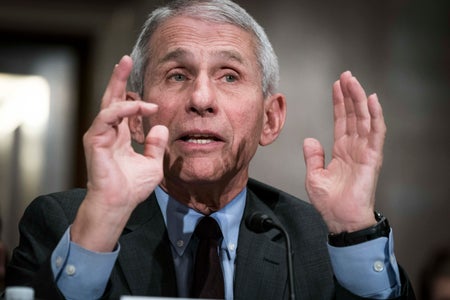
Anthony Fauci Shows Us the Right Way to Be an Expert
He’s grounded in humility and humanity; he uses plain language; he admits uncertainties and failings; and he refuses to make the science overtly political

Sick Vampire Bats Restrict Grooming to Close Family
When vampire bats feel sick, they still engage in prosocial acts such as sharing food with nonrelatives. But they cut back on grooming anyone other than their closest kin.

The Problem with Direct-to-Consumer Genetic Tests
Despite caveats in ads and on packages, users can fail to understand their limitations

Trust Is The Key to Fighting the Pandemic
Containing the spread of COVID-19 may require that citizens have faith in both their government and one another
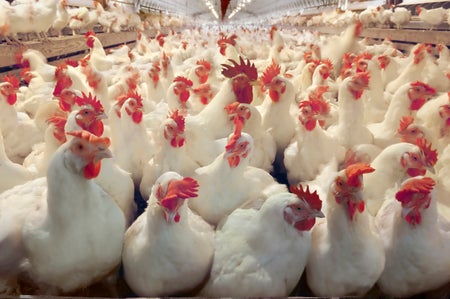
One Root Cause of Pandemics Few People Think About
It’s our seemingly insatiable desire to eat meat

Urban Riots Are Actually “Prepolitical” Protests
Originally published in June 1968
Treating “Moral” Injuries
A potentially debilitating condition in veterans, distinct from PTSD, results from crossing moral lines

Can Science Explain Deja Vu?
Most of us have experienced deja vu—that sensation when new events feel eerily familiar. Could this "glitch in the Matrix" be a brain short-circuit?
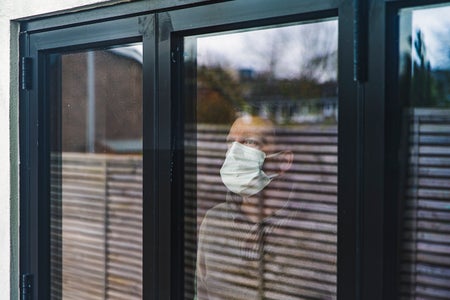
When It’s Safer to Stay Apart
My father is an infectious disease physician in New York City. He needs to do his job, so for our own safety, he can no longer live with the family

What’s Scarier than the Coronavirus?
Our extreme responses to COVID-19 have revealed an underlying societal vulnerability that is more concerning than the virus itself