BiotechFebruary 1, 2020
The Talent Gap Holding Back Digital Medicine
Successfully applying AI to biomedicine requires innovators trained in contrasting cultures
The Talent Gap Holding Back Digital Medicine
Successfully applying AI to biomedicine requires innovators trained in contrasting cultures
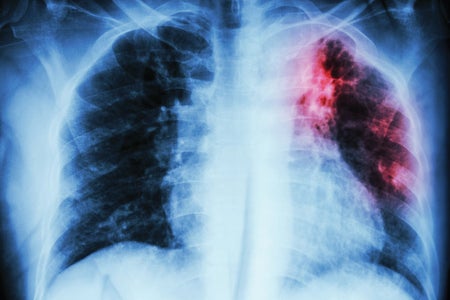
Scientists Solve a Deadly TB Mystery
Tools used to reconstruct the rise of drug-resistant tuberculosis could also be applied in real time to ward off would-be epidemics

Can AI Fix Electronic Medical Records?
Digitization of patient charts was supposed to revolutionize medical practice. Artificial intelligence could help unlock its potential
Hunting for New Drugs with AI
The pharmaceutical industry is in a drug-discovery slump. How much can AI help?
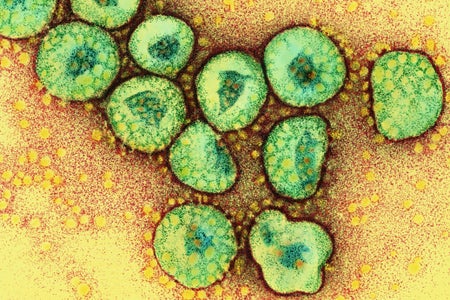
Australian Lab First to Grow New Virus Outside China
The team plans to share the virus with groups around the world to spur development of diagnostics and vaccines
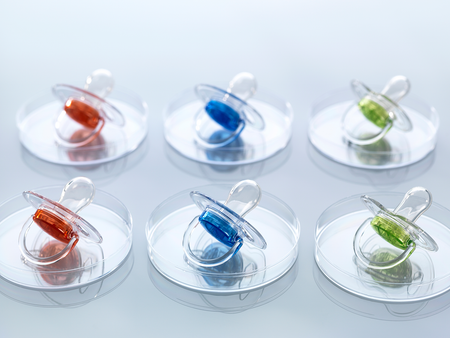
CRISPR-Edited Babies Arrived, and Regulators Are Still Racing to Catch Up
One year after the world learned of He Jiankui’s editing of twins, gaps in rules remain
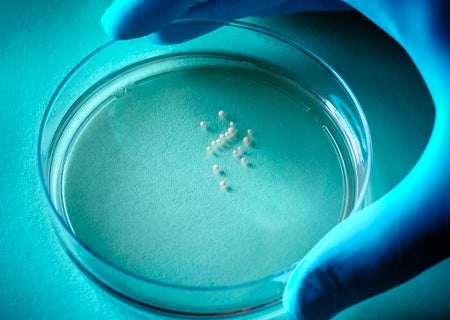
“Organoids” Reveal How Human Forebrain Develops
Studying gene expression in human brain tissue grown in the lab could offer insight into disorders such as autism
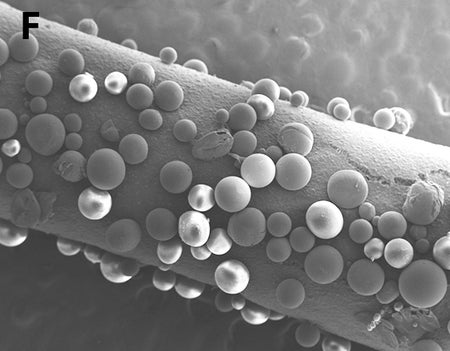
New Nerve-Growing Method Could Help Injured Soldiers and Others
Eight years of experiments demonstrate the bridging of large gaps in damaged nerves
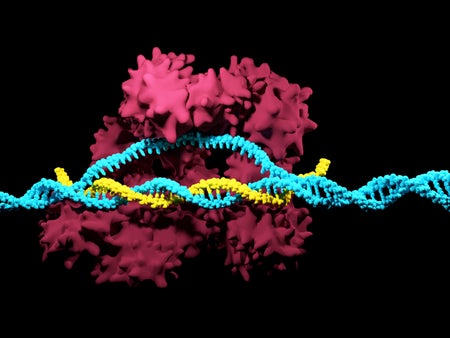
Kill Switch for CRISPR Could Make Gene Editing Safer
Anti-CRISPR proteins could bolster biosecurity and improve medical treatments
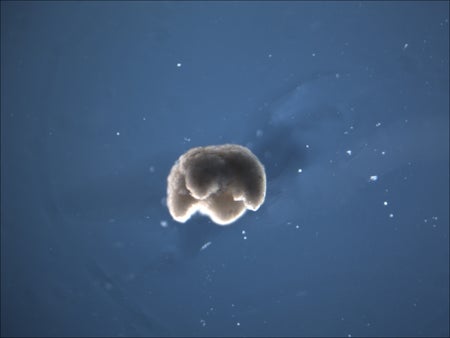
World’s First “Living Machine” Created Using Frog Cells and Artificial Intelligence
Scientists used computer algorithms to develop a programmable organism made of frog DNA
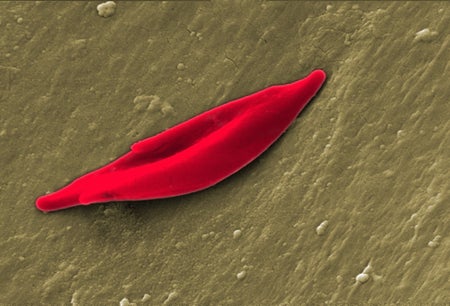
Quest to Use CRISPR against Disease Gains Ground
As the first clinical trial results trickle in, researchers look ahead to more sophisticated medical applications for genome editing
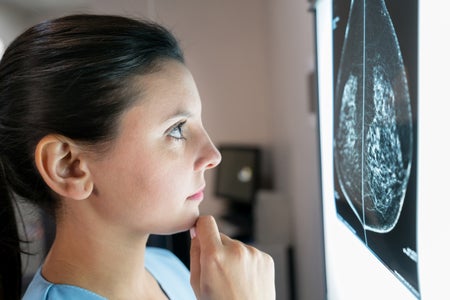
Google AI Tool Can Pinpoint Breast Cancer Better Than Clinicians
The software detected cancers at higher rates than radiologists, with fewer false positives