BiotechApril 20, 2020
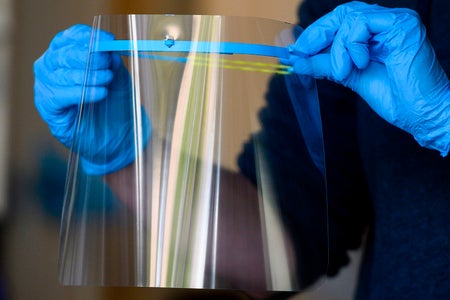
Engineers Offer DIY Solutions to Coronavirus Equipment Shortages
As hospitals beg for protective gear and ventilators, some individuals are taking a creative approach to the problem
Engineers Offer DIY Solutions to Coronavirus Equipment Shortages
As hospitals beg for protective gear and ventilators, some individuals are taking a creative approach to the problem
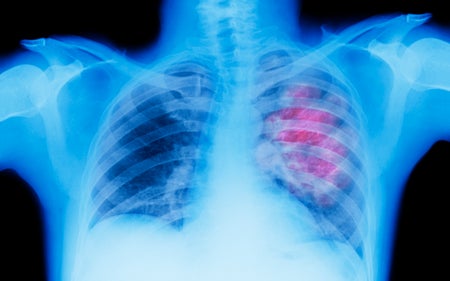
Lung Cancer Screen Could Be Easy Pee-sy
In mice, a test for lung cancer involves nanoprobes that recognize tumors and send reporter molecules into the urine for simple analysis.

“Punch Card” DNA Could Mean Cheaper High-Capacity Data Storage
The new method may be faster and easier than other genetic storage attempts

COVID-19: The Need for Secure Labs—and Their Risks
Coronavirus research requires high-containment labs. Journalist Elisabeth Eaves talks with Scientific American contributing editor W. Wayt Gibbs about her article “The Risks of Building Too Many Bio Labs,” a joint project of the New Yorker and the Bulletin of the Atomic Scientists.

New Bandage Repels Blood and Promotes Clotting
Dressing material uses carbon nanofibers to aid healing
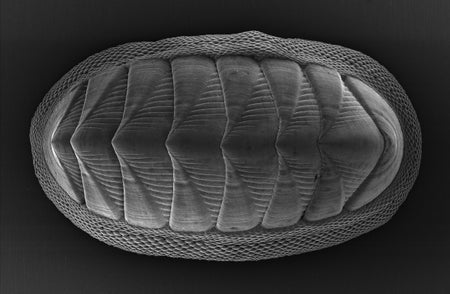
Flexible Armor Inspired by Mollusks Better Defends Joints
A scaly sea creature called a chiton sparks an idea for new protective gear
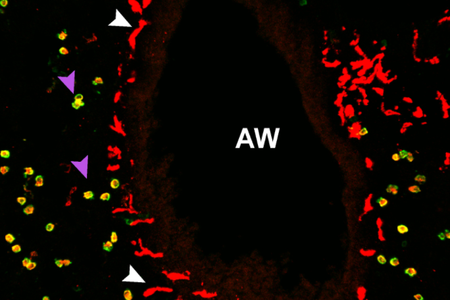
Could Newly Found “Peacekeeping” Cells Be a Weapon against COVID-19?
In mice, these white blood cells tamp down inflammation in the lungs
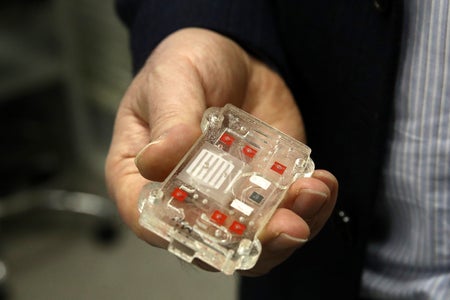
Fast, Portable Tests Come Online to Curb Coronavirus Pandemic
Testing kits delivered by courier and digital tools combine to battle the COVID-19 outbreak
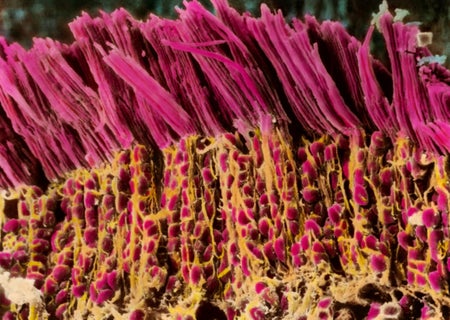
CRISPR Treatment Inserted Directly into the Body for the First Time
The experiment tests a gene-editing therapy for a hereditary blindness disorder
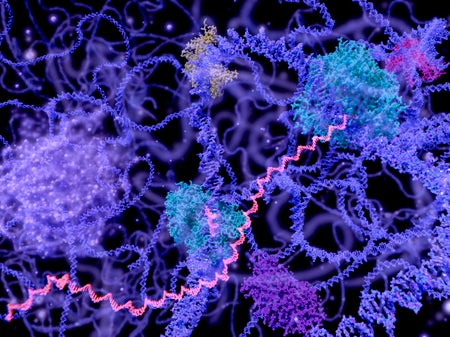
Step Aside, CRISPR: RNA Editing Is Taking Off
Making changes to the molecular messengers that create proteins might offer flexible therapies for cancer, pain or high cholesterol, in addition to genetic disorders

Hunting for New Drugs with AI
The pharmaceutical industry is in a drug-discovery slump. How much can AI help?
How Artificial Intelligence Will Change Medicine
By channeling a flood of biomedical data, machine learning could transform basic research and clinical practice