
BiotechJune 11, 2020
Handheld Ultrasound Devices Are Speeding Diagnosis of COVID-19
Doctors can triage and monitor patients faster—and sometimes more accurately—with the aid of the pocket-size machines
Handheld Ultrasound Devices Are Speeding Diagnosis of COVID-19
Doctors can triage and monitor patients faster—and sometimes more accurately—with the aid of the pocket-size machines

New Design Helps N95 Mask Wearers Breathe Easier
The device prevents oxygen deprivation in coronavirus-blocking respirators

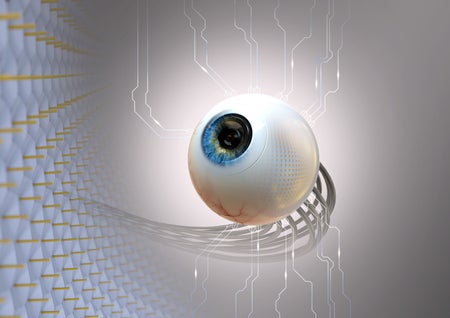
New Artificial Eye Mimics a Retina’s Natural Curve
Researchers have crafted a device that replicates the shape of the eye’s sensory membrane
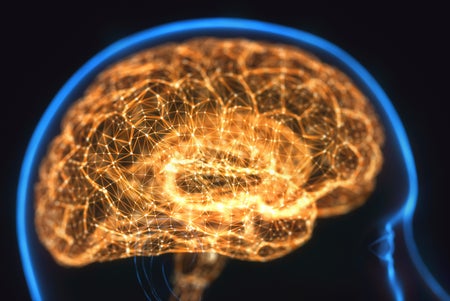
Blind People Could ‘See’ Letters That Scientists Drew on Their Brains with Electricity
Scientists stimulated the brain using electrodes implanted on its surface

Donut Sugar Could Help Stored Blood Last
Dehydrated blood that could be kept at room temperature for years may be possible thanks to a sugar used to preserve donuts—and made by tardigrades and brine shrimp so they can dry out and spring back with water.

Rabbit Virus Could Provide Gene Therapy
Originally published in February 1967
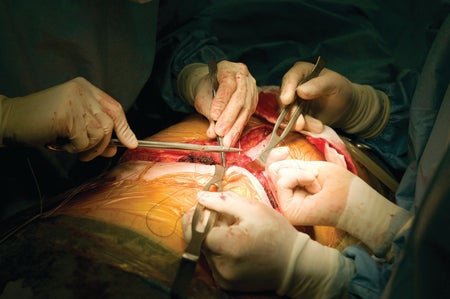
Machine That Keeps Livers Alive for a Week Can Repair Damaged Organs
A new device could ultimately increase the number of usable livers for transplants and could perhaps preserve other types of organs
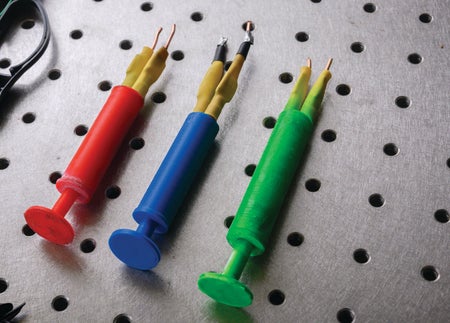
DIY Tool Lets High Schoolers Practice Gene Editing
With a few dollars, researchers replicated an instrument that typically costs thousands

Footstep Sensors Identify People by Gait
A supersensitive detector system can also glean clues about health
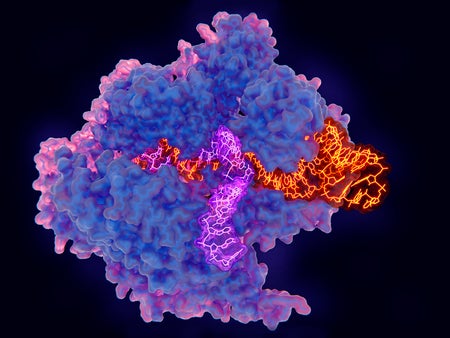
CRISPR Gene Editing May Help Scale Up Coronavirus Testing
An inexpensive assay based on the technique can provide yes or no answers in under an hour—perhaps even in the home soon
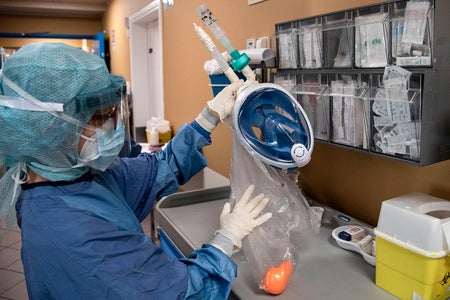
Snorkeling Mask Apparatus Might Help COVID-19 Patients Avoid Intubation
The jury-rigged breathing aid, invented to deal with ventilator shortages, is now being tested as a kinder, gentler alternative to a tube in the trachea

Close-Up Views of Tumors Reveal a New Cancer Biology
RNA sequencing has shown a previously unknown dimension to the way malignant cells work—which could lead to novel treatments