
This article was published in Scientific American’s former blog network and reflects the views of the author, not necessarily those of Scientific American
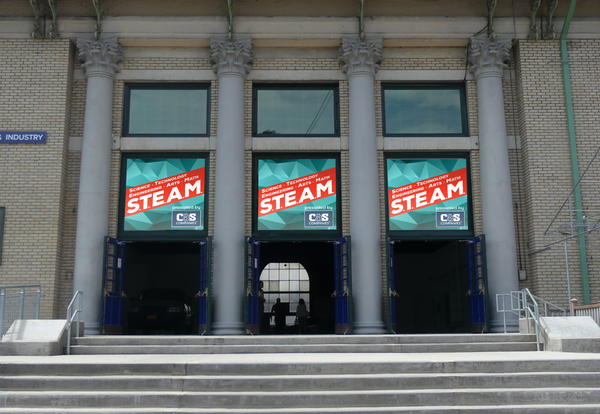
Fairgoers to the 2017 Great New York State Fair will have more than Ferris wheels and horse shows waiting for them this year. The Fair will feature a new STEAM exhibit highlighting the latest and greatest from the fields of science, technology, engineering, arts, and mathematics. A state fair may not seem like an obvious place to see drones or 3D printers, but Mel Chesbro – the State Fair Coordinator – thinks that it presents a perfect opportunity. That is why she and the sponsors from C&S Companies fought to have the exhibit greet fairgoers right as they walk through the doors.
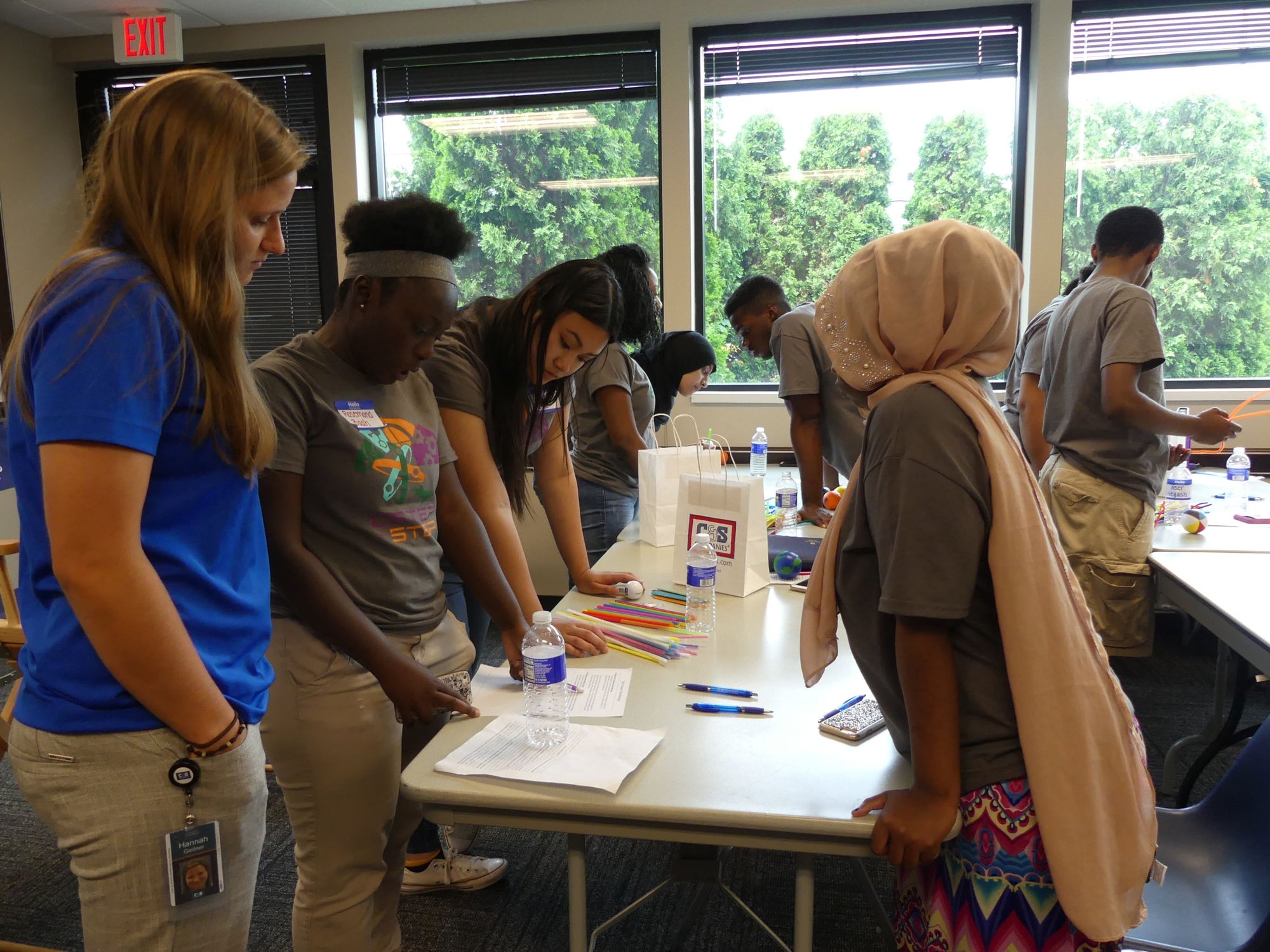
The exhibit will be in the recently restored Science and Industry Building, one of the most high-traffic paths through the Fair. The eight booths will feature a daily rotation of New York companies itching to give young fairgoers a hands-on introduction to the unexpected side of a life in science. The Fair has a long history of combining learning and fun at the agricultural exhibits, encouraging fairgoers to get hands-on (or even elbows-deep) with the activities. Chesbro is excited to bring the same approach to the STEAM booths. Fairgoers will have a chance to try something new, maybe touch some things they wouldn’t otherwise be allowed to touch, and just have fun. Time for some “edu-tainment.”
Credit: New York State Fair
On supporting science journalism
If you're enjoying this article, consider supporting our award-winning journalism by subscribing. By purchasing a subscription you are helping to ensure the future of impactful stories about the discoveries and ideas shaping our world today.
John Trimble, President and CEO of exhibit sponsor C&S Companies, is excited for the exhibit to break down stereotypes about math and technology and provide a fun glimpse into what STEAM careers are actually like. He and Terry Hopkins, Community Relations Manager for C&S, have learned from outreach events at their headquarters that few kids understand what engineers actually do. At the start of a tour they might ask kids who is interested in becoming an engineer and maybe a few will raise their hands. “They seem to think that engineers just sit and stare at a desk all day,” Hopkins said. After a tour of the facility, the kids are raising their hands and wanting to learn more.
Trimble also hopes that the exhibit will add to the broader push to bring STEAM out of the classroom and back into day-to-day life. He referenced the past American enthusiasm for space and discovery, something that he feels has faded in recent years. Despite producing exciting technological advances from aeronautics to bioengineering, somehow science fields are still getting labeled as boring. And that is coming from the people walking around with computers in their pockets, cars, and maybe even their toothbrushes.
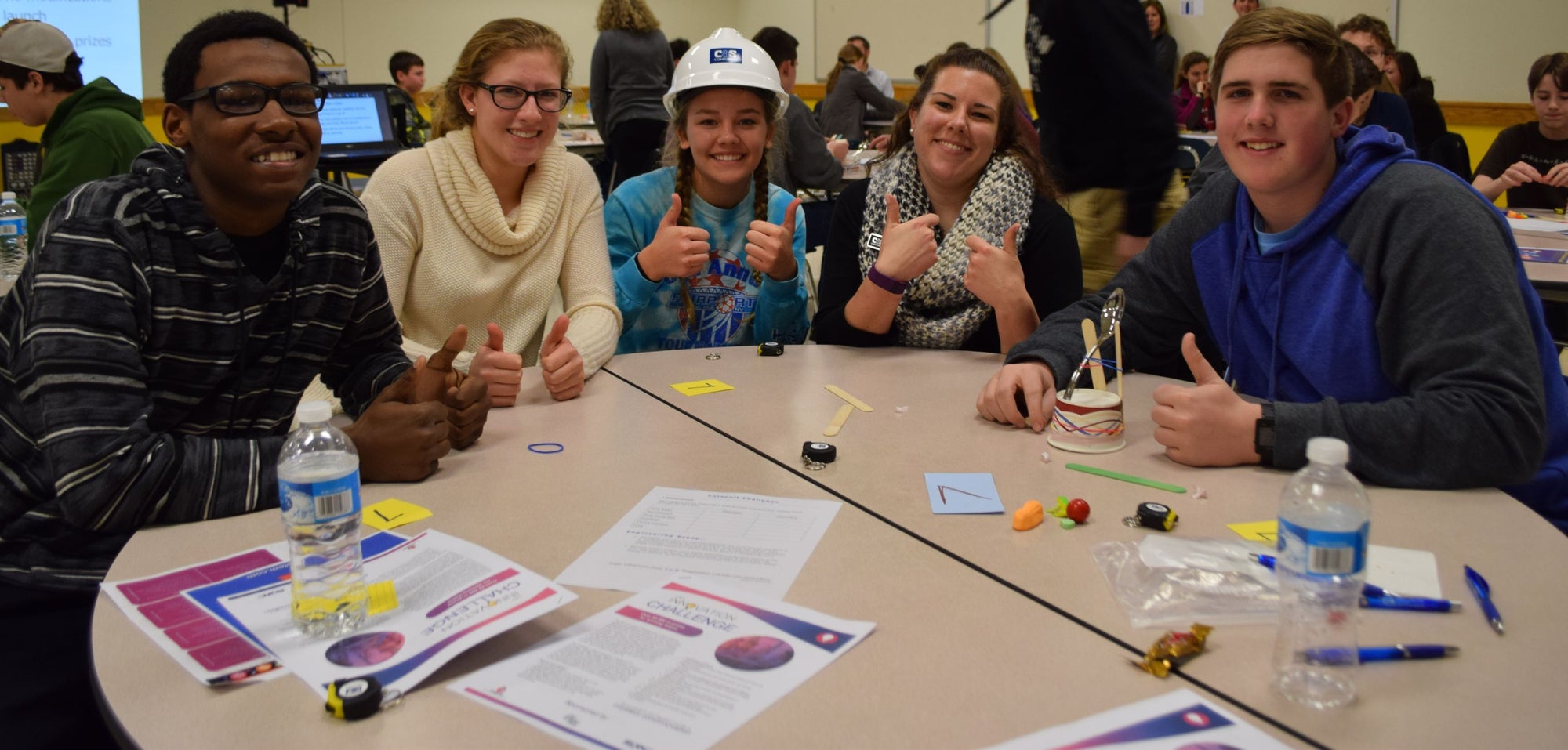
Part of the initiative to bring back this excitement is the inclusion of the “A” in the traditional “STEM” acronym. By adding the arts to the fields of science, technology, engineering, and math, many in the science outreach community are trying to signal an end to the placing of subjects into unrepresentative silos. Science and engineering are inherently creative fields. People developing new technology and pushing the boundaries in math frequently have to come up with creative solutions. The communication, creativity, and critical-thinking skills often associated with the arts and humanities actually play a central role in the daily work of STEM. Trimble has seen this in practice with many of the new hires at his company. While those with strict engineering backgrounds may know the math and how to follow the rules, it is the employees with additional experience in the arts and humanities who become the most creative problem solvers.
Credit: New York State Fair
When asked what an exhibit at the Fair can provide that a trip to a science museum can’t, Chesbro had a very simple answer: the people. The New York State Fair has more than a million visitors each year, and many of them may not consider themselves to be the museum-going type. But experience has shown Chesbro and her team that people are often more excited than they expect about the chance to learn something new. The State Fair also has a unique tie to the state of New York itself. Just as fairgoers may come away with a new eye for local yogurt or eggs, they can now learn about the thriving science and technology industries around the state. Even though students are pursuing technical fields at New York schools, many are leaving the state for work after graduation. Trimble sees the exhibit as just one way to open eyes to the opportunities that exist closer to home.
The Great New York State Fair will be held August 23 – September 4, 2017 at The New York State Fairgrounds in Syracuse, New York.