OpinionDecember 3, 2021
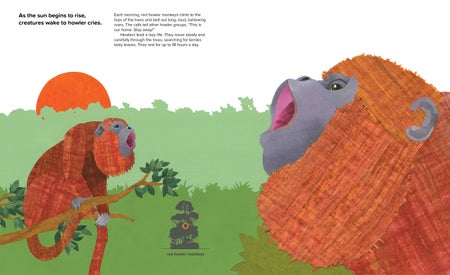
Nonfiction Is Cool, and Our Kids Know It
Changes in publishing have altered this genre for the better, so put some books on your holiday list
Amanda Baker is a science communicator and outreach advocate. She has a geoscience PhD from Cornell University and has managed open-access, academic journals as well as the outreach journal Frontiers for Young Minds. She is currently writing and editing science content for kids, from curriculum materials to magazines like Smore. She has served as a Science Olympiad national event supervisor and taught a first-year writing seminar on sustainable earth systems while at Cornell.
Nonfiction Is Cool, and Our Kids Know It
Changes in publishing have altered this genre for the better, so put some books on your holiday list
Competing Toe to Toe without Sharing an Arena
The Regeneron Science Talent Search rethinks its youth STEM competition in the face of COVID-19

To the Angry Grown-Ups in My Town
Yes, the young people around you are still learning. What are you going to teach them?

The Many Meanings of “I Can’t”
So much can hide behind those two little words

Flour, Butter, Science, Eggs: Recipes as Science Communication
Part protocol, part memoir, recipes can bring together the how and why
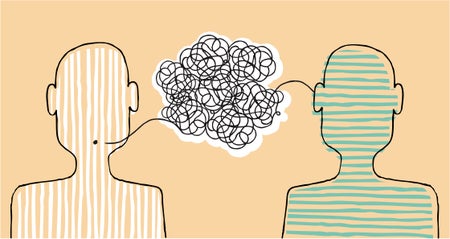
It’s like an Analogy
Creative communication can help, or hurt, our attempts to bridge the divide between technically or emotionally disparate audiences

Making Things We Know Will Disappear
For those stifled by shades of perfectionism, temporary media can remind us how to create things for the fun of it

The Temptation of the Sorting Hat
Because sometimes tools designed to help us assess performance and potential just don’t
See More Teams
It’s just so easy to let moments of personal glory overshadow the collaborative marvels that made them possible

Making the Most of Your Summer Break
Avoid wondering where all of those summer hours went when school starts back up again

Learning about Critical Thinking from Kitty Claws and Ice Cream Cones
Picture books provide some of our earliest and most concise introductions into how and why we make decisions
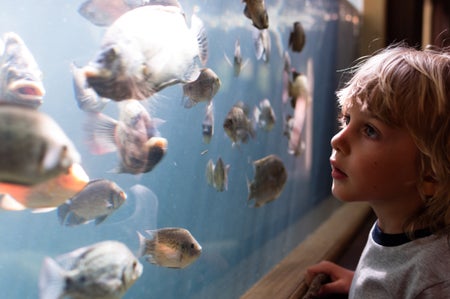
Looking for Nemo
Kids movies shape the way we look at the world long after we leave the theater

Remembering Why Curiosity Should Be Boundless
Young children provide gentle and chaotic reminders of how to be open to the world around us

Reading Today's Children's Books as One of Yesterday's Kids
Appreciating the need to balance timeless themes and timely narratives
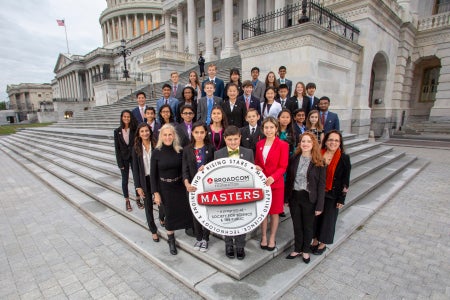
Bringing Individual Potential to a Team Opportunity
The Broadcom MASTERS competition gives middle schoolers a chance to step from behind science fair posters and up to a series of hands-on challenges as part of a team
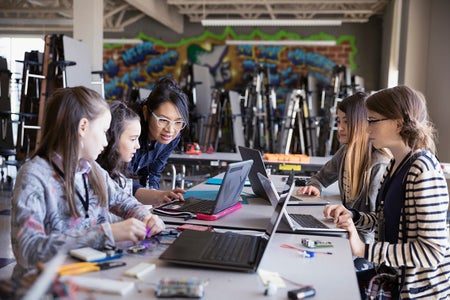
Making Connections with the STEM Learning Ecosystems Initiative
Building a national community of practice

3 Cheers for Metacognition
Embracing the ways each of us does—and does not—process information
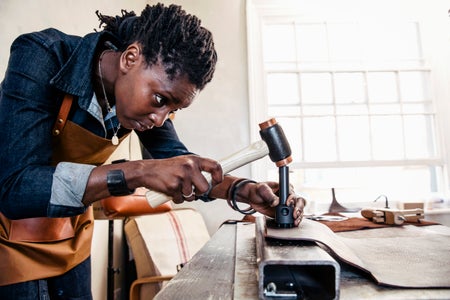
Grown-Up STEM Programs for the Young at Heart
Because budding scientists come in all shapes and sizes

Putting Yourself on a Map
Even the most familiar place can feel new when you get the chance to zoom out or way, way in
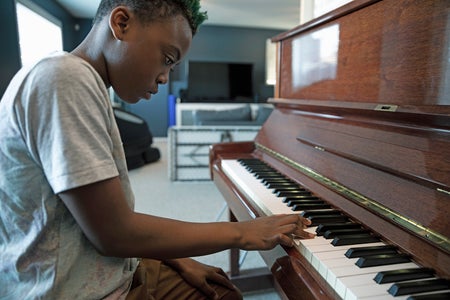
Working Hard Even If You Might Lose
Wanting to win can inspire us to do great things, but missing the mark should not blind us to all of our accomplishment along the way

Making Creepy Music Give You Goose Bumps
Discordant music and sounds can set up the scare, but what you do (or don’t) see can decide whether it lands

Be Afraid... but Only If You Want to Be
Variations in brain chemistry and what make us feel safe can be the difference between those who enjoy getting scared and those who don’t

Learning on the Back of an Envelope
Simple calculations can help demystify anything from geologic time to family budgets

The Danger of Seeing Breaks as a Form of Giving Up
Taking time to step away from a problem may be the cognitive kick you need for a solution