
This article was published in Scientific American’s former blog network and reflects the views of the author, not necessarily those of Scientific American
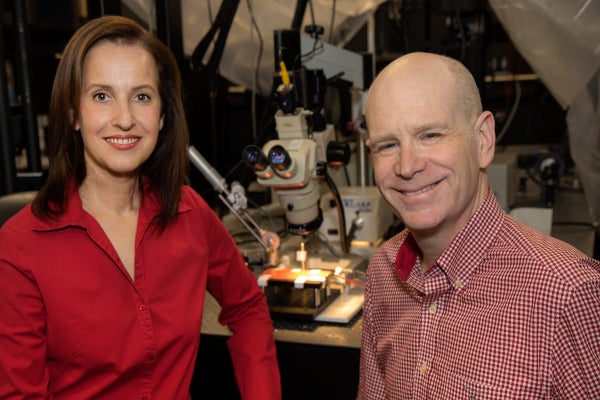
In March 13, 2013, we wrote our first Illusion Chasers blog post for the Scientific American blog network, which we titled “Let the Chase Begin.” Seven years and hundreds of posts later, our blogging for Scientific American comes to an end, as the blog network closes down tomorrow.
Yet, the illusion chase goes on.
Our collaboration with Scientific American started years before our first blog post, and we are delighted to share that it will continue beyond our last one. We started writing for Scientific American in 2007, when we contributed an article describing some of our research for the print magazine—and were thrilled to learn that it was featured on the cover! Over the years, we have written many articles for both the digital and print magazines, including Scientific American and Scientific American Mind, and hope to continue to do so in the future.
On supporting science journalism
If you're enjoying this article, consider supporting our award-winning journalism by subscribing. By purchasing a subscription you are helping to ensure the future of impactful stories about the discoveries and ideas shaping our world today.
Our bimonthly Illusions column, which we started writing in 2011, lives on in Scientific American Mind. We invite you to keep reading it to stay on top of the latest developments in the science and art of illusion.
Mente y Cerebro magazine will also continue to publish our other column on matters of misperception, Delusions, as well as its Spanish-language counterpart, Ilusiones.
The Best Illusion of the Year Contest, which we started hosting in 2005, carries on too. Make sure to check its archives for the Top Ten finalists of each annual contest (150 illusions to date and counting) and subscribe to its mailing list for updates on the best illusions of the year.
You can also look for our latest research discoveries in Susana’s and Steve’s labs websites and find us on twitter: @stephen_macknik and @SMartinezConde. We hope you’ll stay in touch!
So we’re not saying goodbye, but still we have a farewell treat for you: a selection of eyebombing illusions by artist Vanyu Krastev, to accompany our latest Illusionsarticle on the topic—and to tell you that we will see you soon.

Credit: Vanyu Krastev

Credit: Vanyu Krastev

Credit: Vanyu Krastev

Credit: Vanyu Krastev

Credit: Vanyu Krastev

Credit: Vanyu Krastev