
AerospaceNovember 23, 2017
Jet Fuel from Sugarcane? It’s Not a Flight of Fancy
Researchers have found that engineered sugarcane could yield more than 2,500 liters of bio-jet fuel per acre of land
Jet Fuel from Sugarcane? It’s Not a Flight of Fancy
Researchers have found that engineered sugarcane could yield more than 2,500 liters of bio-jet fuel per acre of land

Make Your Own Magic Dough
Shape up your kitchen chemistry skills with this science activity from Science Buddies

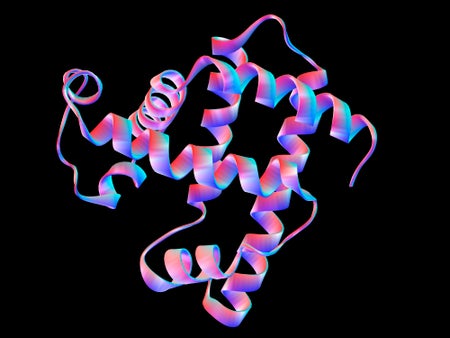
Life’s First Molecule Was Protein, Not RNA, New Model Suggests
The findings add to the longstanding debate over which were the first self-replicating molecules

Come On and Zoom (through the Universe)
Caleb Scharf, director of Columbia University’s Astrobiology Center talks about his latest book, The Zoomable Universe: An Epic Tour through Cosmic Scale, from Almost Everything to Almost Nothing, and the OSIRIS-REx space mission.
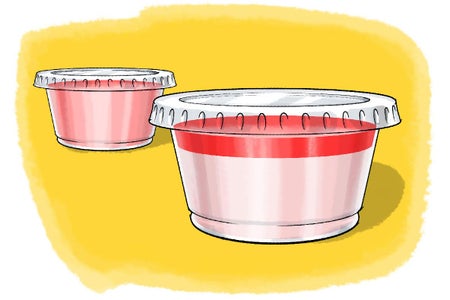
Separate Liquids with Salt!
A salty science project
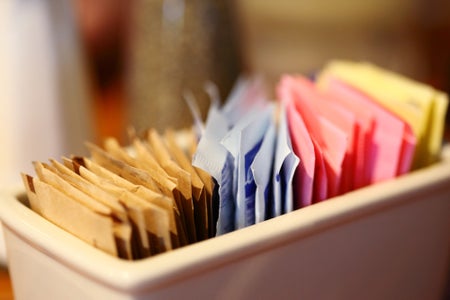
Artificial Sweeteners Are Used to Track Water Pollution
Sucralose turns out to be a perfect substance for tracing household wastewater

Find the Candy Rainbow with Chemistry
A delicious science project from Science Buddies
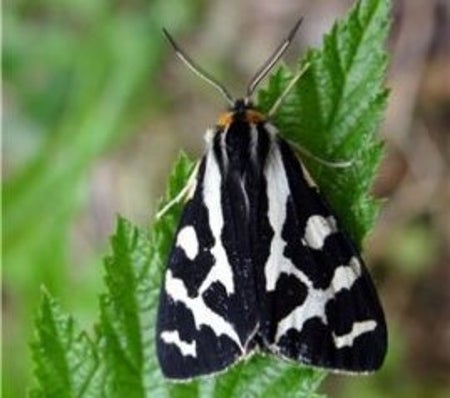
A Moth with a Potent Cocktail of Poison
The wood tiger moth is the first species known in which fluids from various parts of the moth’s body each target a different type of predator. Jason Goldman reports.

Bacteria Gang Together in Killer Biofilms, but Scientists Can Disrupt Gang Communications
Biofilms—3-D mats of bacteria—kill as many people as cancer does and fight off antibiotics. Now scientists are turning biofilms’ own weapons against them
The FDA Needs More Power to Regulate Toxic Chemicals in Cosmetics
Laws need to change to allow the FDA to protect people

Nature-Inspired Antifreeze Molecules Could Keep Organs Fresh Longer
Compounds that resemble Arctic fish proteins prevent harmful ice crystals from forming
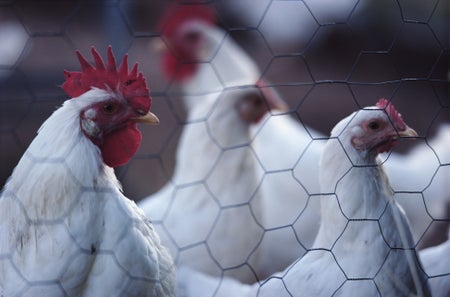
Maryn McKenna's Big Chicken, Part 2
Award-winning journalist Maryn McKenna talks about her latest book, Big Chicken: The Incredible Story of How Antibiotics Created Modern Agriculture and Changed the Way the World Eats. (Part 2 of 2)