BehaviorJanuary 30, 2018
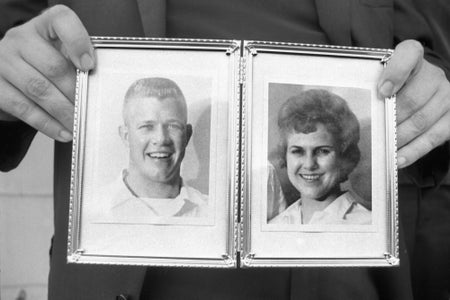
How Responsible are Killers with Brain Damage?
Cases of criminal behavior after brain injury raise profound questions about the neuroscience of free will.
How Responsible are Killers with Brain Damage?
Cases of criminal behavior after brain injury raise profound questions about the neuroscience of free will.

The Twice Exceptional Movement: Supporting Bright and Creative Students with Learning Difficulties
A new book highlights the growing twice exceptional (2e) movement, dedicated to helping those who have extraordinary strengths coupled with learning difficulties

For AI to Get Creative, It Must Learn the Rules—Then How to Break ‘Em
New artificial intelligence systems are using “adversarial networks” to develop creativity and originality by more fluidly mixing and matching real-world information
How to Hack an Intelligent Machine
AI scientists try to trick smart systems into making dumb gaffes

Okay, So Some Dogs Eat Poop
Study provides new information about what's going on
Why Are Some People More Creative Than Others?
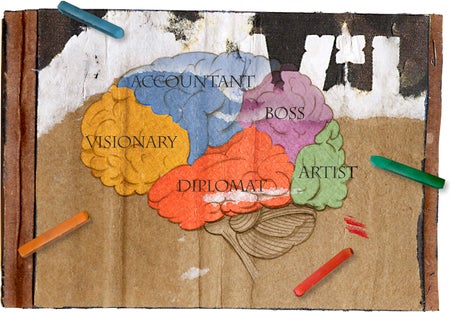
Neuroscientists have started to identify thinking processes and brain regions involved with creativity
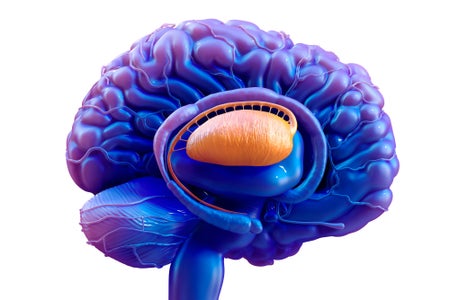
Experimental Huntington’s Therapy Shows Promise in a Small Trial
Drugs that disrupt production of toxic proteins in the brain could work for various degenerative disorders, including Alzheimer’s and Parkinson’s
The Prevalence of Autism in the U.S. Appears Steady
New data suggest the rate hovers between two and three percent

Deep Listening
Lessons from the psychology of the spiritual imagination

A Neuroscientist Explores the "Sanskrit Effect"
MRI scans show that memorizing ancient mantras increases the size of brain regions associated with cognitive function
Are Toxic Political Conversations Changing How We Feel about Objective Truth?
As political polarization grows, the arguments we have with one another may be shifting our understanding of truth itself

2018 Dog Preview
An insider's look at dogs in the new year