
PolicyFebruary 16, 2018
“Sonic Weapon Attacks” on U.S. Embassy Don’t Add Up—for Anyone
Cuban scientists and a new American report both shoot down a list of bizarre theories
“Sonic Weapon Attacks” on U.S. Embassy Don’t Add Up—for Anyone
Cuban scientists and a new American report both shoot down a list of bizarre theories

Do Dogs Always Prefer Their Owners?
Bringing new meaning to the phrase “Location, location, location”


Decoding the Overlap between Autism and ADHD
The two conditions often coincide, but the search for common biological roots turns up conflicting evidence
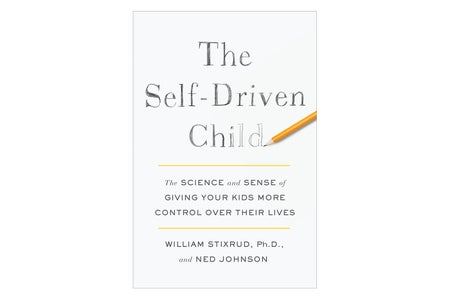
The Case for the Self-Driven Child
In a new book, an argument for giving children more of a sense of control over their lives

Extreme Brain Teaser

Brain “Pacemaker” Could Help You Remember Only What You Might Forget
An implant is the latest development in research on neural stimulation to boost cognition

Cognitive Ability and Vulnerability to Fake News
Researchers identify a major risk factor for pernicious effects of misinformation

Why Don't Babies Smile from Birth?
Their facial muscles work fine, but the neural networks that let them recognize the feeling of happiness take a while to develop

Who Invented the Mind–Body Problem?
Germans were debating the “body–soul problem” by the mid-19th century, but Socrates pondered the problem first

Killer Whale Culture Revealed by Mimicking Us
Orcas can imitate calls from other whales and even human speech—suggesting they can transmit cultural practices, such as unique dialects. Christopher Intagliata reports.

This Year, Make the World Better for Dogs
Opening up to new ideas may be the first step

A Big Step toward a Blood Test for Alzheimer's
A simple technique to gauge brain levels of a toxic protein could improve diagnosis and drug trials