The UniverseOctober 10, 2025
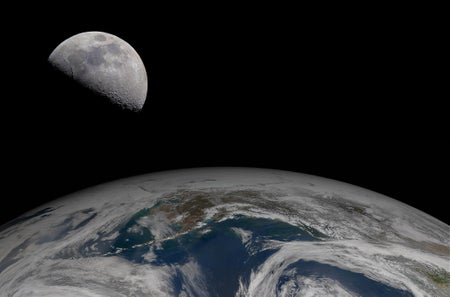
How to See the Earth and Moon from Mars
If you pick the right time, our home world and our moon could be easily visible from the Red Planet
How to See the Earth and Moon from Mars
If you pick the right time, our home world and our moon could be easily visible from the Red Planet
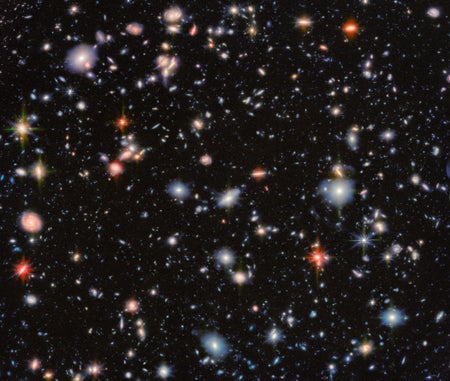
Faster-Than-Light Galaxies Are a Fact of Life in Our Expanding Universe
When space itself expands, weird things can happen—like galaxies breaking the universe’s ultimate speed limit
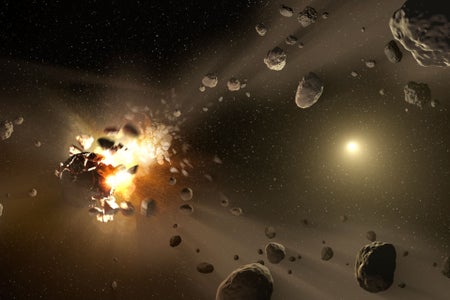
Asteroid ‘Families’ Reveal Hidden Histories and Impact Risks across the Solar System
Many asteroids are related, but their family trees can be hard to trace
How Do You Weigh a Black Hole?
Gauging the mass of a black hole is tricky, but astronomers have devised multiple methods to measure the heft of these galactic gluttons
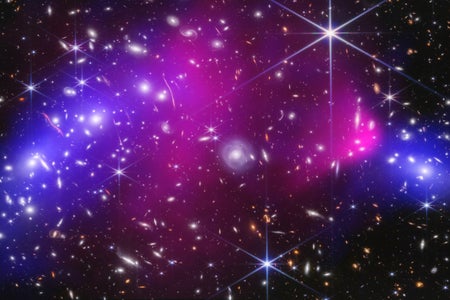
Mesmerizing New JWST Image Sharpens Our View of Dark Matter’s Intergalactic Playground
A swarm of galaxies called the Bullet Cluster is the biggest, best natural laboratory for studying dark matter that astronomers have ever seen
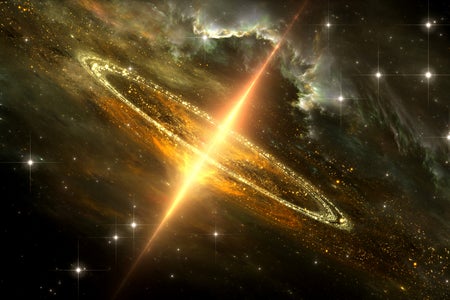
How Big Can a Black Hole Be?
Some black holes get extremely massive. Is there an upper limit to their growth?
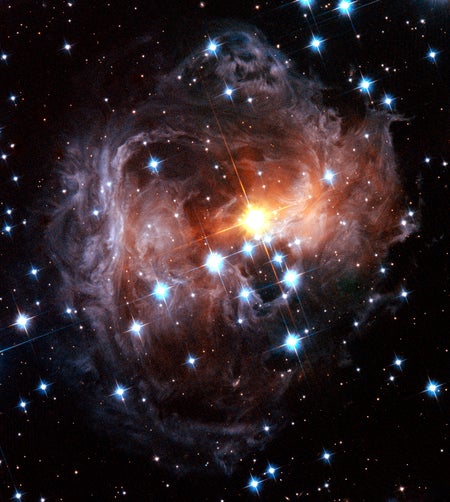
How to See Faster-Than-Light Motion
Superluminal velocities are common but illusory
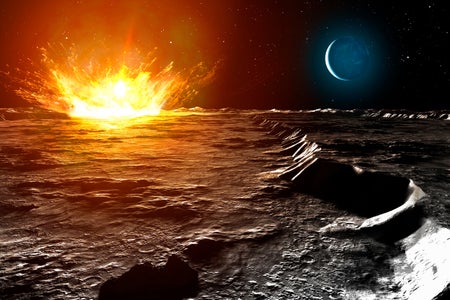
If This Asteroid Hits the Moon, Watch for Shooting Stars and Stricken Satellites
The 60-meter asteroid 2024 YR4 has a 4 percent chance of hitting the moon. Could such a lunar collision create a dangerous new meteor shower?
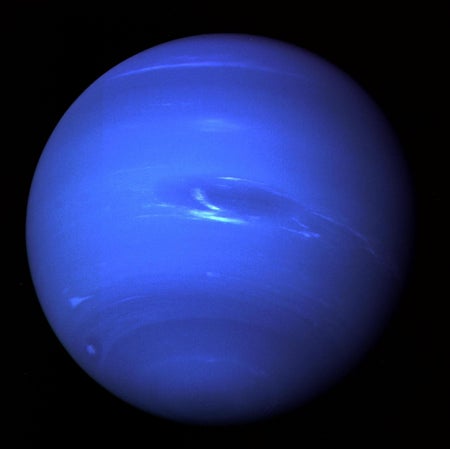
One Year after Scientific American’s First Issue, the Solar System Grew by a Planet
Neptune’s discovery was a race that ended not long after this magazine came to be
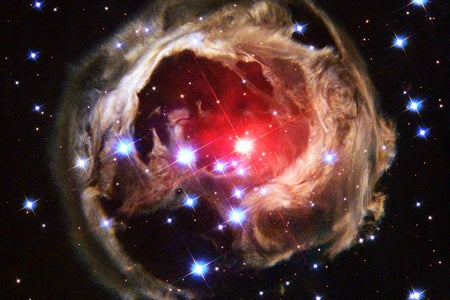
Echoes of Light Illuminate the Cosmos
Bizarre phenomena called light echoes create strange, shifting shapes seen in some telescopic images and help astronomers chart the heavens above
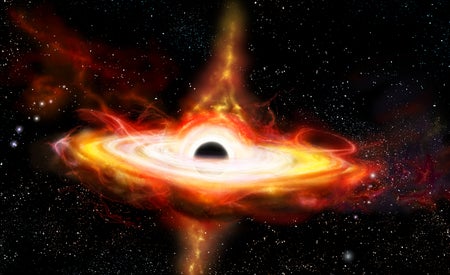
The Physics of Spinning Black Holes Explained
Scientists are uncovering how spinning black holes launch jets, warp spacetime and shape the cosmos
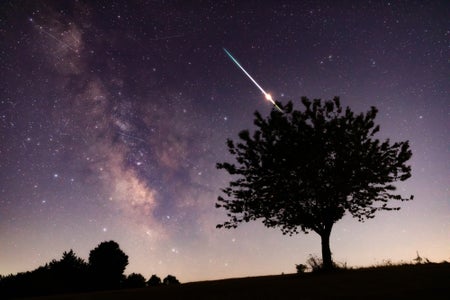
The Sky Is Falling—From Another Star
Astronomers think small space rocks from beyond our solar system routinely strike Earth—but proving it isn’t easy