ConservationJune 14, 2018
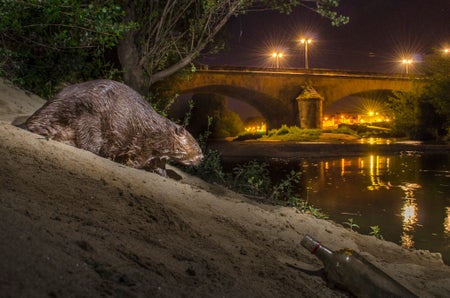
Humans Are Driving Other Mammals to Become More Nocturnal
The shift could change which prey animals hunt or make it harder to find food
Humans Are Driving Other Mammals to Become More Nocturnal
The shift could change which prey animals hunt or make it harder to find food
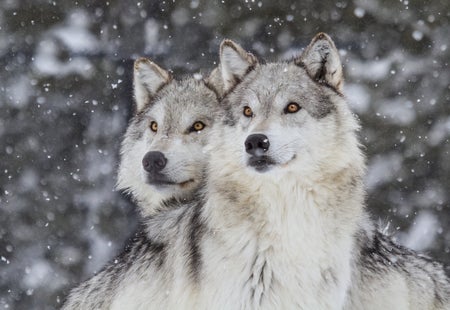
Does Killing Sharks, Wolves and Other Top Predators Solve Our Conflicts with Them?
In spite of their ecological, economic and cultural significance, predators are among the most heavily persecuted animals, due to conflict with humans and their assets

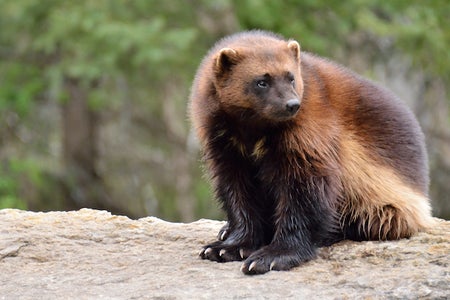
Searching for Wolverines in a Vast Northern Wilderness
A survey to study this elusive, threatened mammal stretched over 7 winters and 70,000 kilometers
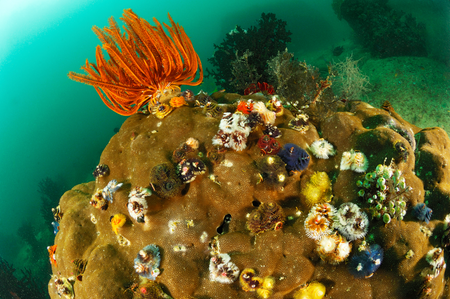
Cores from Coral Reefs Hold Secrets of the Ocean's Past and Future
Coral skeletons have recorded changes in the ocean environment over thousands of years
"Plugged In" Says Farewell
Plugged In will unplug on Friday. It’s been a great seven years and we look forward to continuing the conversations that we started here
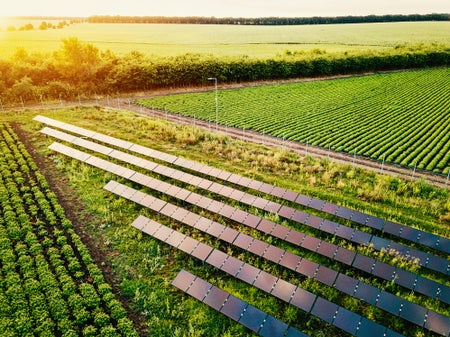
Solar Farms Produce Power—and Food
Some crops grow better under raised solar panels than they do in full sun
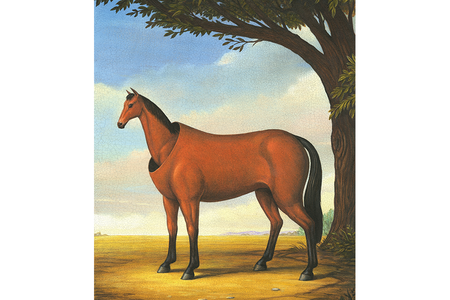
How Global Warming Is Shrinking Earth's Animals
A rise in global temperatures may be making all kinds of creatures smaller—a trend with worrisome implications
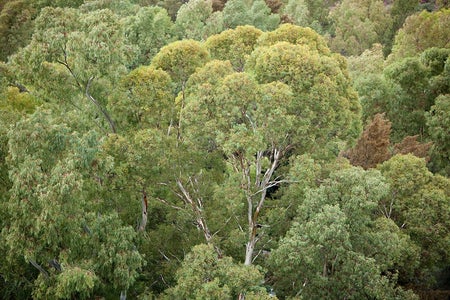
Some Trees Beat Heat with Sweat
During extreme heat waves, a species of eucalyptus copes by releasing water and taking advantage of evaporative cooling. Other trees may do the same.
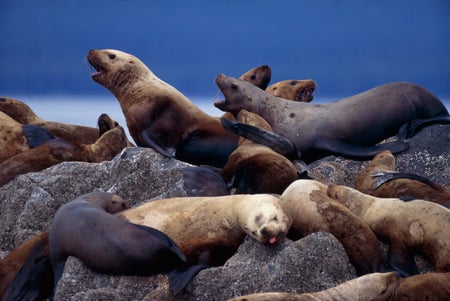
Pinnipeds Don't Appreciate Biped Disturbance
Sea lions and fur seals in Uruguay have become a tourist attraction—but the animals have become less, not more, accepting of humans. Jason G. Goldman reports.
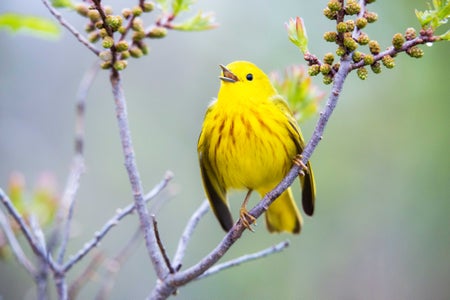
Can Yellow Warblers Adapt to a Warmer Climate?
Scientists work to understand vulnerability to global warming at the level of animals’ DNA
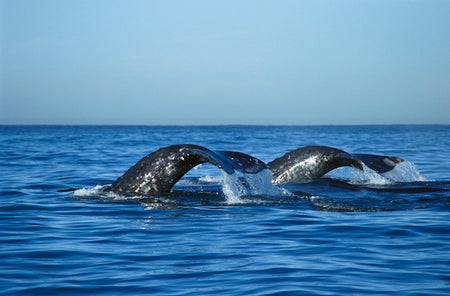
Marine Protected Areas Are Important, but...
...they can't do their job of protecting aquatic ecosystems if people fail to respect their boundaries
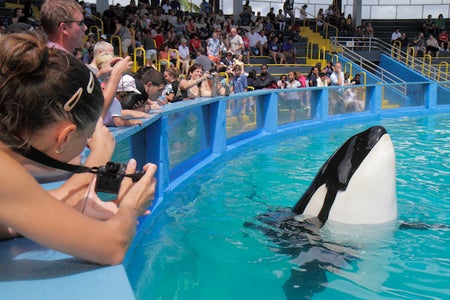
Free Lolita, the Killer Whale!
She’s the only freeborn orca still in captivity in the US, and her birth pod—and even her mother—are still living in the wild