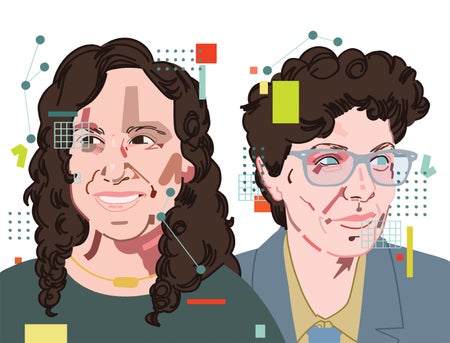
Artificial IntelligenceMarch 18, 2024
Too Much Trust in AI Poses Unexpected Threats to the Scientific Process
It’s vital to “keep humans in the loop” to avoid humanizing machine-learning models in research
Too Much Trust in AI Poses Unexpected Threats to the Scientific Process
It’s vital to “keep humans in the loop” to avoid humanizing machine-learning models in research

How Blatantly False Headlines Can Distort What We Believe In
New research highlights the necessity of stopping huge falsehoods during the presidential election cycle


Debating Screen Time? Here’s Why Reading Might Tip Your Scales
Digital books will never replace the tactile experience of paper books, but as part of bedtime reading and improving access to reading materials, they shouldn’t be counted as screen time
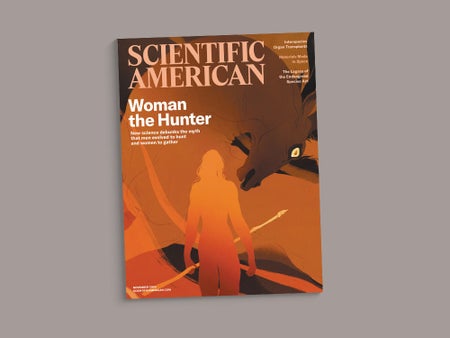
Readers Respond to the November 2023 Issue
Letters to the editors for the November 2023 issue of Scientific American
Personality Tests Aren’t All the Same. Some Work Better Than Others
A popular personality test beats out astrology but trails far behind scientific measure of personal traits
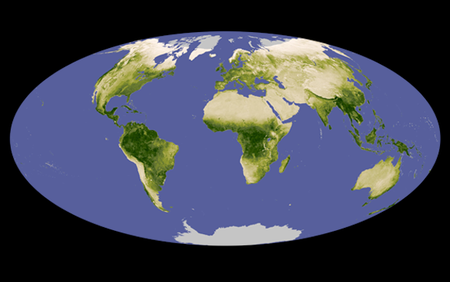
Science News Briefs from around the World: February 2024
A missing mammal rediscovered in Indonesia, a speedy new species of dinosaur in Brazil, Ivory Coast chimpanzees that snoop on their neighbors, and much more in this month’s Quick Hits
Readers Respond to the October 2023 Issue
Letters to the editors for the October 2023 issue of Scientific American
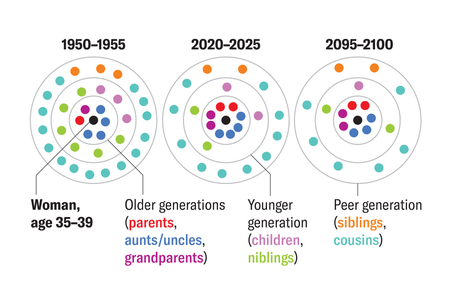
Shrinking Family Sizes May Change Our Experience with Aging
Throughout the world, the number of relatives that people have may dramatically shrink by 2095, which could change care for children and aging people
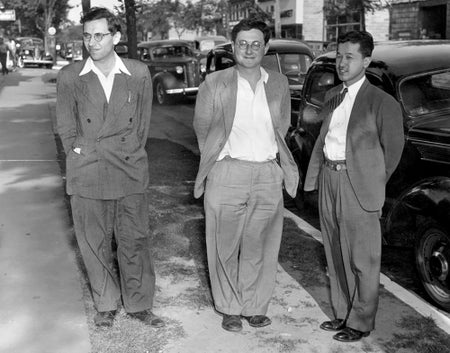
This Nomadic Eccentric Was the Most Prolific Mathematician in History
The bizarre life and legacy of Paul Erdős, the most prolific mathematician ever
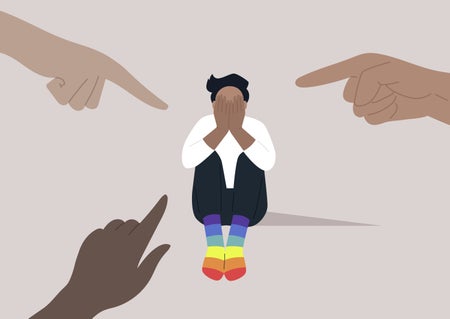
Preventing Child Abuse Should Not Be Controversial. My Own Hate Mail Reveals That It Is
A deep dive into one scholar’s correspondence shows society prefers blame and punishment over protecting children from sexual violence
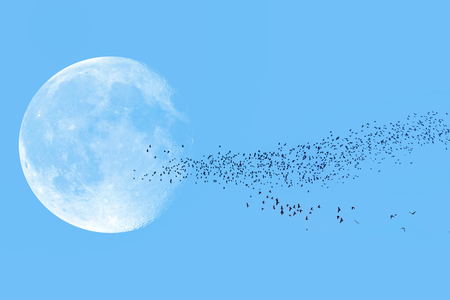
Human Remains Are Headed to the Moon despite Objections
The Navajo Nation has called for a delay in launching the commercial lander Peregrine, which is set to carry human remains on a private mission to the moon
Readers Respond to the September 2023 Issue
Letters to the editors for the September 2023 issue of Scientific American