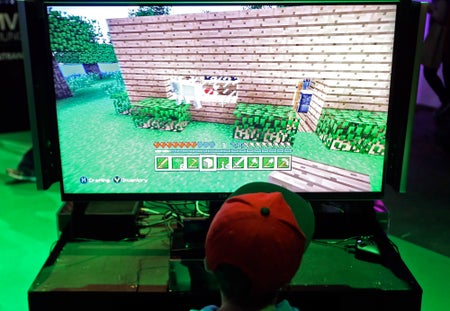
ComputingDecember 14, 2016
Tech Giants Open Virtual Worlds to Bevy of AI Programs
Artificial-intelligence algorithms can learn a lot from playing immersive 3D video games
Tech Giants Open Virtual Worlds to Bevy of AI Programs
Artificial-intelligence algorithms can learn a lot from playing immersive 3D video games
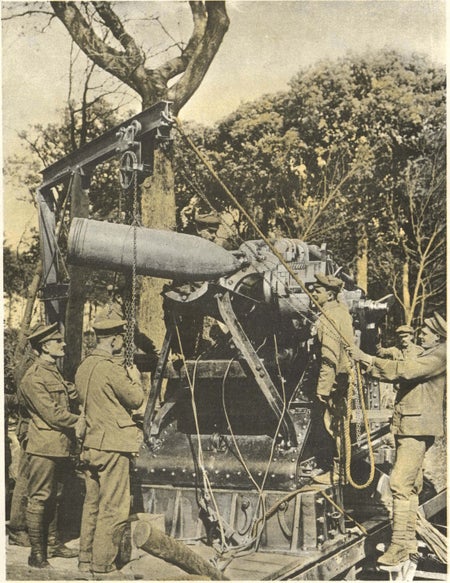
Artillery on the Somme, 1916
Reported in Scientific American, this Week in World War I: December 9, 1916


SA's 2016 Gadget Guide: 10 Technologies Solid on Science [Slide Show]
Some hints on keeping holiday gifts real in a “post-truth” world

Stopping Splashes with Smarter Surfaces
Understanding the physics of how a liquid splashes when it hits a surface is allowing researchers to design new surfaces that limit splashing
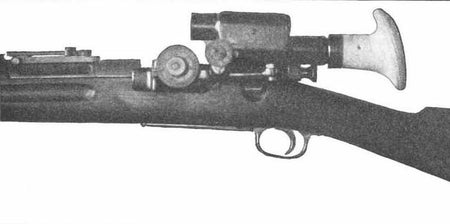
Tools of the Battlefield, 1916
Reported in Scientific American, this Week in World War I: December 2, 1916

Dogs Teach Bomb-Sniffing Machines New Tricks
A dog’s sniff pulls a plume of fresh scents toward them, which fluid dynamicists say is a technique that could make for better bomb detectors. Christopher Intagliata reports.

2016 World Changing Ideas
10 big advances with the potential to solve problems and improve life for all of us

Fabric Made from Battery Material Cools Its Wearers
Nanoporous fabric would cool its wearers, reducing the need for air-conditioning

Ingestible Robots Perform Surgery from Inside the Body
Remote-controlled origami robots can perform medical procedures from the inside out

The Truth about “Self-Driving” Cars
They are coming, but not the way you may have been led to think
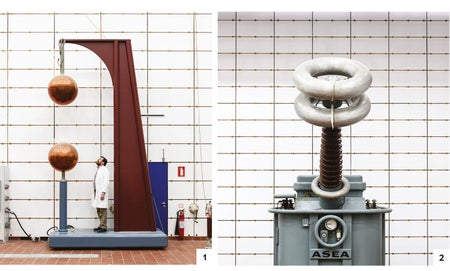
Lightning Strikes Are a Big Problem for Wind Turbines
See the high-voltage lab in Denmark exploring how to safeguard turbines from electrical surges

Urban Engineering in 1916: Science and Technology for the City