
FitnessJanuary 3, 2017
Does Science Support Ayurveda?
Ayurvedic medicine was practiced for thousands of years before anyone invented the placebo controlled experiment. How has this ancient system held up to modern scientific scrutiny?
Does Science Support Ayurveda?
Ayurvedic medicine was practiced for thousands of years before anyone invented the placebo controlled experiment. How has this ancient system held up to modern scientific scrutiny?
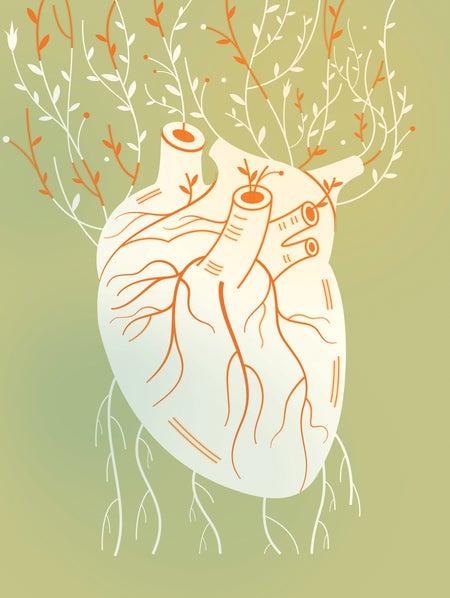
Could Gene Therapy Cure Heart Disease?
Harnessing the organ's own healing properties may help prevent heart attacks and lessen the painful effects of severely narrowed coronary arteries


Why Exercise May Be the Best Fix for Depression
For many people with depression, serious exercise may be the best, cheapest and safest treatment

When Dining for Trillions, Eat Wisely
What you ate in the past can shape the diversity of your gut flora, and affect how well your gut microbes respond to new foods. Christopher Intagliata reports.

Why Heart-Related Deaths Spike around Holidays
Cold weather may not be to blame, a creative New Zealand study suggests

Better Late Than Never: On Being Diagnosed with Cystic Fibrosis at 33
In a truly person-centered health system, my clinicians would have asked a lot more questions a lot earlier
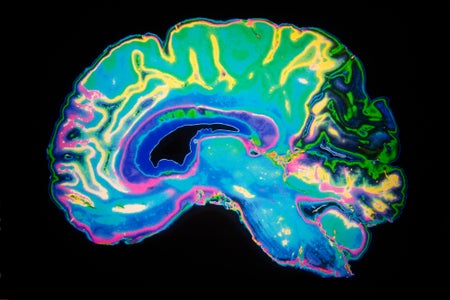
Pregnancy Primes the Brain for Motherhood
Areas of the brain related to social cognition shrink in first-time mothers—a structural change that could boost maternal attachment. Christopher Intagliata reports.

Female Doctors May Be Better for Older Patients’ Health
The findings raise questions about if those physicians' methods could be pinpointed and copied
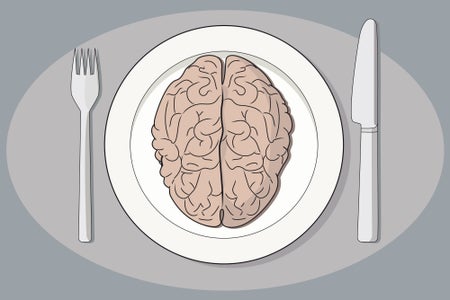
What Does a Human Taste Like?
Hint: not chicken. Author Bill Schutt talks turkey about the history of cannibalism over a plate of placenta Italiana

Aging Is Reversible—at Least in Human Cells and Live Mice
Changes to gene activity that occur with age can be turned back, a new study shows

Why Sleep Disorders May Precede Parkinson's and Alzheimer's
When the body’s biological clock goes awry, insomnia and related disruptions may be an early sign of pending cognitive decline

What's Pushing Down U.S. Life Expectancy?
Drug overdoses and flu may have been key drivers behind the latest death toll numbers