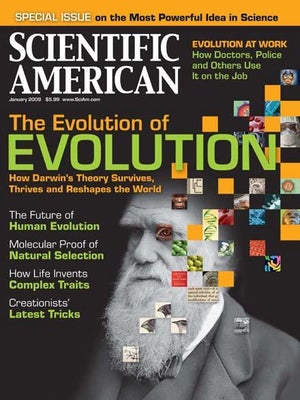
Scientific American Magazine Vol 300 Issue 1

Scientific American

Volume 300, Issue 1

You are currently logged out. Please log in to download the issue PDF.

Features

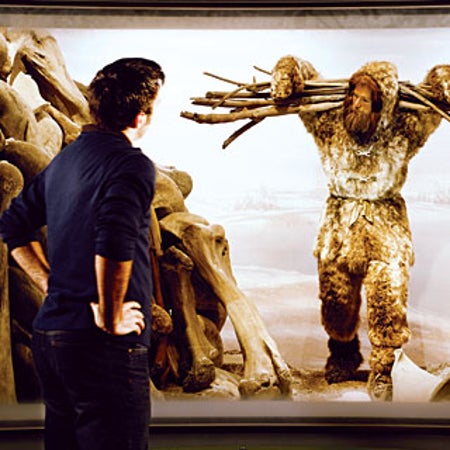
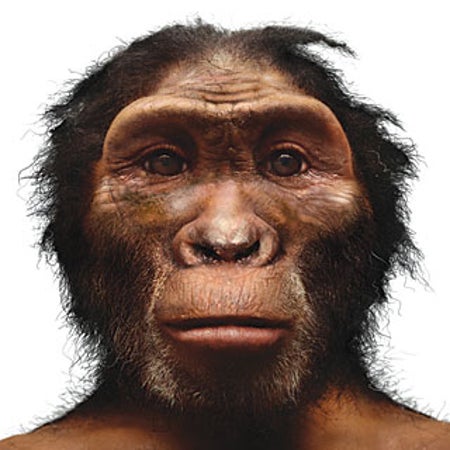
The Human Pedigree: A Timeline of Hominid Evolution

Some 180 years after unearthing the first human fossil, paleontologists have amassed a formidable record of our forebears
Testing Natural Selection with Genetics

Testing Natural Selection with Genetics

Biologists working with the most sophisticated genetic tools are demonstrating that natural selection plays a greater role in the evolution of genes than even most evolutionists had thought
The Future of Man--How Will Evolution Change Humans?

The Future of Man--How Will Evolution Change Humans?

Contrary to popular belief, humans continue to evolve. Our bodies and brains are not the same as our ancestors' were—or as our descendants' will be

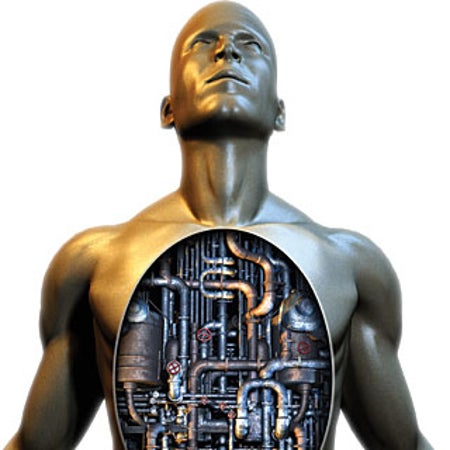
This Old Body

Evolutionary hand-me-downs inherited from fish and tadpoles have left us with hernias, hiccups and other maladies

What's Good for the Group

Does natural selection drive evolution at levels higher than selfish genes and fertile individuals?
Evolution of the Mind: 4 Fallacies of Psychology

Evolution of the Mind: 4 Fallacies of Psychology

Some evolutionary psychologists have made widely popularized claims about how the human mind evolved, but other scholars argue that the grand claims lack solid evidence

Four Fallacies of Pop Evolutionary Psychology

Some evolutionary psychologists have made widely popularized claims about how the human mind evolved, but other scholars argue that the grand claims lack solid evidence
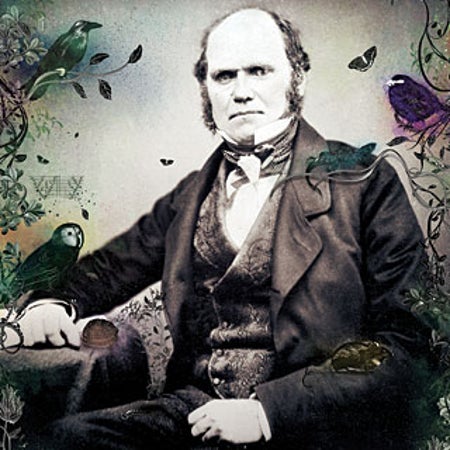
Darwin's Living Legacy--Evolutionary Theory 150 Years Later

Darwin's Living Legacy--Evolutionary Theory 150 Years Later

A Victorian amateur undertook a lifetime pursuit of slow, meticulous observation and thought about the natural world, producing a theory 150 years ago that still drives the contemporary scientific agenda
The Evolutionary Origins of Hiccups and Hernias

The Evolutionary Origins of Hiccups and Hernias

How biological hand-me-downs inherited from fish and tadpoles evolved into human maladies
Diversity Revealed: From Atoms to Traits

Diversity Revealed: From Atoms to Traits

Charles Darwin saw that random variations in organisms provide fodder for evolution. Modern scientists are revealing how that diversity arises from changes to DNA and can add up to complex creatures or even cultures
Putting Evolution to Use in the Everyday World

Putting Evolution to Use in the Everyday World

Understanding of evolution is fostering powerful technologies for health care, law enforcement, ecology, and all manner of optimization and design problems
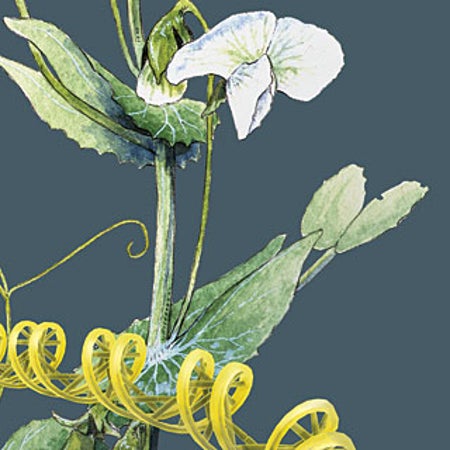
The Latest Face of Creationism in the Classroom

The Latest Face of Creationism in the Classroom

Creationists who want religious ideas taught as scientific fact in public schools continue to adapt to courtroom defeats by hiding their true aims under ever-changing guises

What Will Become of <i>Homo Sapiens</i>?

Contrary to popular belief, humans continue to evolve. Our bodies and brains are not the same as our ancestors' were--or as our descendants' will be
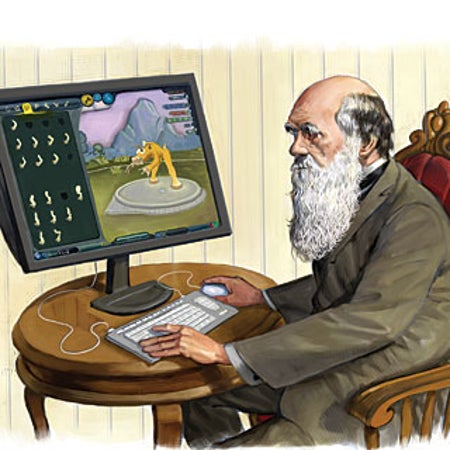
The Science of Spore--The "Evolution" of Gaming

The Science of Spore--The "Evolution" of Gaming

A computer game illustrates the difference between building your own simulated creature and real-life natural selection
Evolution in the Everyday World

Understanding of evolution is fostering powerful technologies for health care, law enforcement, ecology, and all manner of optimization and design problems

Departments

Advances
Decoding the Mammoth
Seeing on Faith
Does Herpes Cause a Form of Sen. Edward Kennedy's Brain Cancer?
Space Sticker Shock
Sounds like Thunder
Chasing Rainbows: Full-Spectrum Photovoltaics
Breaking Down Nanostructures by the Atom
Environmental Payoff
Space Exploration Sticker Shock--Economics at NASA
Virus in the Brain
Climate Control of Dynasties
Politics of Blank Looks
Does Dark Matter Encircle Earth?
Neighborhood Darkness
Fungal Clue in Mystery Bat Deaths
Updates: Whatever Happened to Natural Blood-Vessel Dilators?
Fury over Conservationists Taking Fees from Developers
Big Little Problem
In Brief
In Brief, January 2009
News Scan Briefs: Sounds Like Thunder
Data Points: Take Two Pills and Don't Call Me in the Morning
Anti Gravity
Chastising the Cherry-Picking McCain-Palin Ticket
A Theory of a Deadly Fusion
50, 100 & 150 Years Ago: Defending Scopes, Wrong on Earthquakes, and Comet Cleaners
Ask The Experts
Flies and Projectors and Bears, Oh My
Skeptic
Telephone to the Dead
A Skeptic's Review of Telephoning the Dead
Reviews
Reviews: January 2009
<em>Scientific American</em> Reviews: <em>The Secret of the Great Pyramid</em>
Insights
Do White Blood Cells Make Cancer Deadly?
Letters
Readers Respond on "The End of Privacy?"
Letters to the Editors, January 2009
Perspectives
Why Everyone Should Learn the Theory of Evolution
A Theory for Everyman
On the Web
On The Web
Sustainable Developments
Blackouts and Cascading Failures of the Global Markets
50, 100 & 150 Years Ago
100 Years Ago: Inaccurately Explaining Earthquakes
From the Editor
Dynamic Darwinism: Evolution Theory Thrives Today
Working Knowledge
How Do Elevators Work?
New Designs Going Up--Working Knowledge on Elevators