EvolutionJanuary 1, 2019
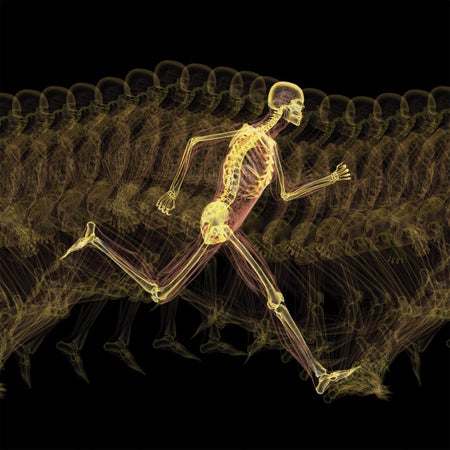
Humans Evolved to Exercise
Unlike our ape cousins, humans require high levels of physical activity to be healthy
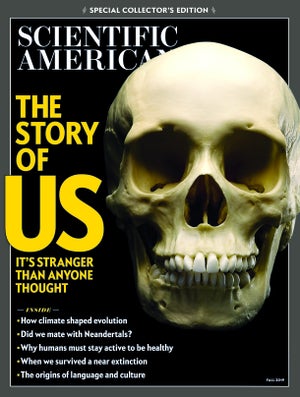
Special Editions are reserved for Unlimited subscribers. We invite you to sign in or upgrade your subscription to read this issue.
Humans Evolved to Exercise
Unlike our ape cousins, humans require high levels of physical activity to be healthy

New Evidence Shows How Climate Shaped Human Evolution
Swings between wet and dry landscapes pushed some of our ancestors toward modern traits—and killed off others

Ancient Stone Tools Force Rethinking of Human Origins
Ancient stone tools from Kenya shatter the classic story of when and how humans became innovators
What Made Us Unique
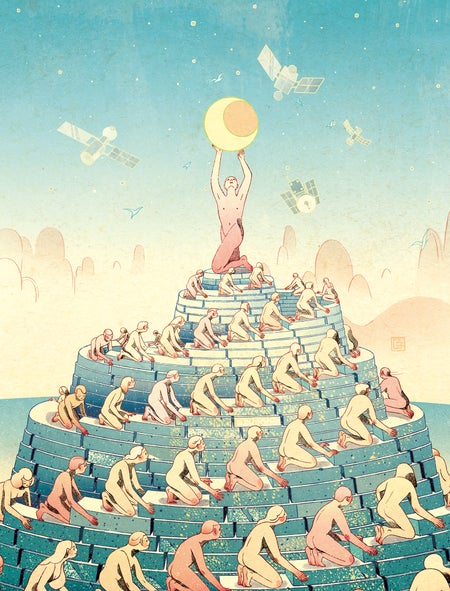
How we became a different kind of animal

Ingenious Method Reveals Precious Human Remains Hidden in Fossil “Junk”
A new technique for identifying tiny fragments of fossilized bone is helping to answer key questions about when, where and how human species interacted with one another
The Real Paleo Diet
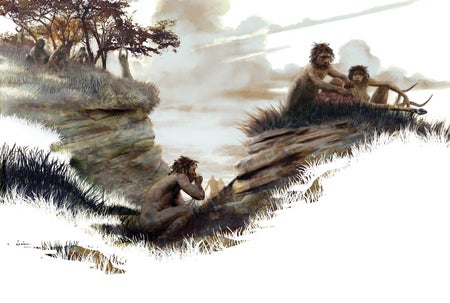
Microscopic wear patterns on fossil teeth reveal what our ancestors ate—and provide insights into how climate change shaped human evolution

The Naked Truth: Why Humans Have No Fur
Recent findings lay bare the origins of human hairlessness—and hint that naked skin was a key factor in the emergence of other human traits

When the Sea Saved Humanity
Shortly after Homo sapiens arose, harsh climate conditions nearly extinguished our species. The small population that gave rise to all humans alive today may have survived by exploiting a unique combination of resources along the southern coast of Africa
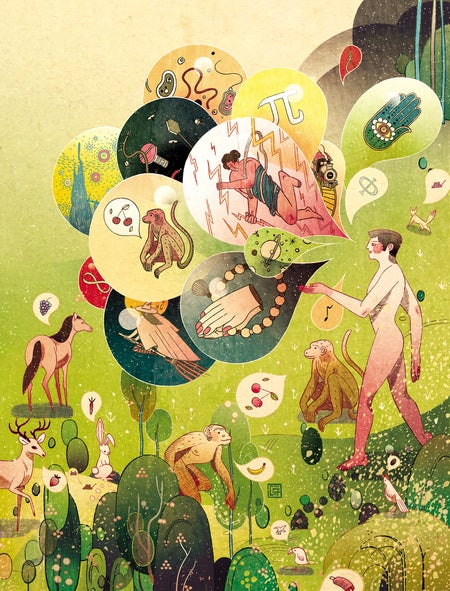
The Cultural Origins of Language
What makes language distinctly human

What Makes the Human Brain Special
Parts of the brain involved in language and cognition have enlarged greatly over an evolutionary timescale
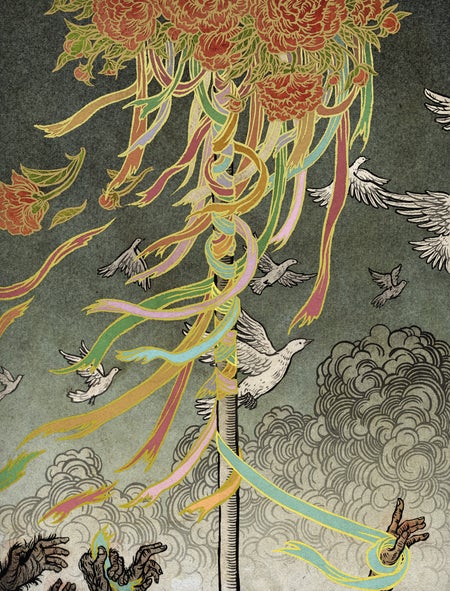
Why Is Homo sapiens the Sole Surviving Member of the Human Family?
Recent fossil, archaeological and genetic discoveries are revising the rise of our species

Does Dancing Just Feel Good, or Did It Help Early Humans Survive?
Do humans dance just for fun, or did it help our ancestors survive thousands of years ago?
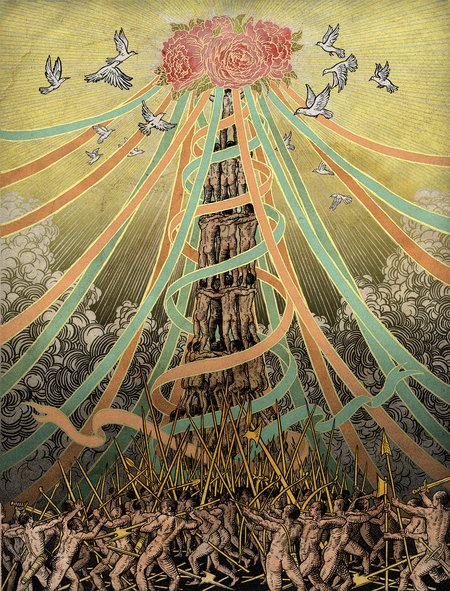
The Origins of Human Morality
How we learned to put our fate in one another’s hands
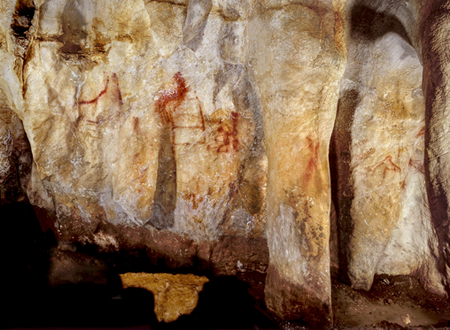
Ancient Cave Paintings Clinch the Case for Neandertal Symbolism
Abstract images in Spanish caves date back 65,000 years—millennia before Homo sapiens set foot in Europe—settling a long-running debate over Neandertal cognition
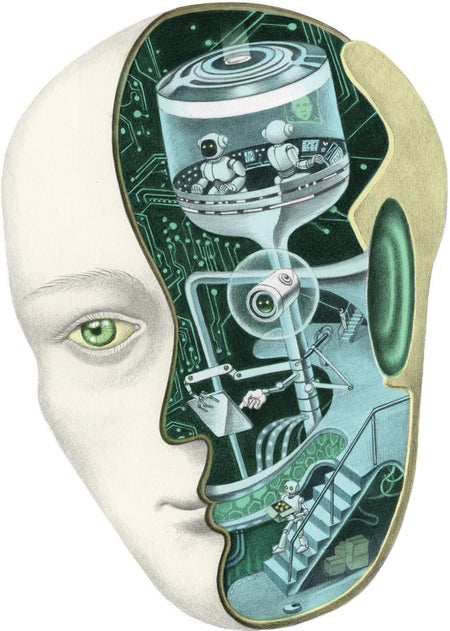
Artificial Intelligence Will Serve Humans, Not Enslave Them
AI will serve our species, not control it
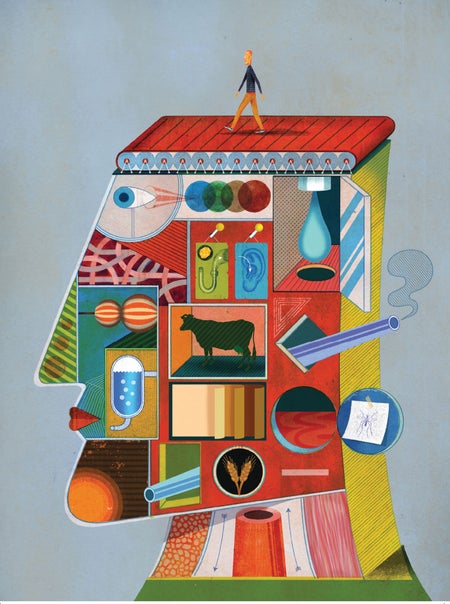
Humans Are Still Evolving
For 30,000 years our species has been changing remarkably quickly. And we're not done yet
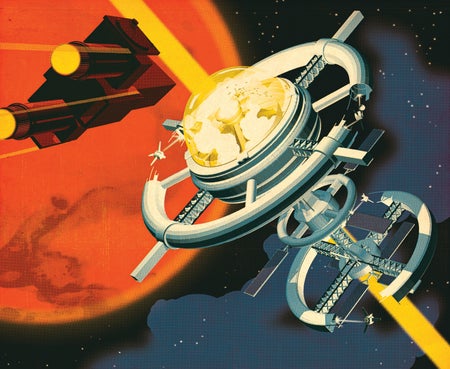
An Evolutionary Biologist Imagines the Future Traits of Space Colonists
How will future generations make the voyage from our earthly home to the planets and beyond—and what will that mean for our species?
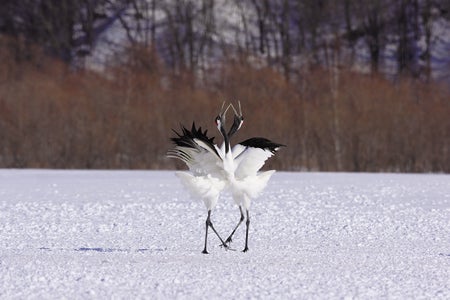
Monogamy May Be Written in Our Genes
In animal studies, a set of 42 genes involved in neural development, learning and memory, and cognition seems to be associated with monogamy