
Mind & BrainMay 1, 2012
Imagining the Future Invokes Your Memory
Why we tend to predict rosy times ahead
Imagining the Future Invokes Your Memory
Why we tend to predict rosy times ahead
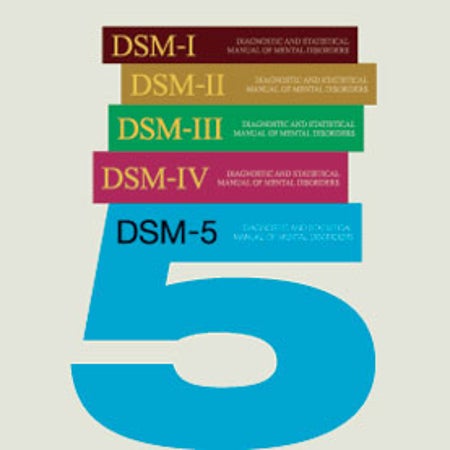
Psychiatry's "Bible" Gets an Overhaul
Psychiatry's diagnostic guidebook gets its first major update in 30 years. The changes may surprise you


How Advertisements Manipulate Behavior
Can subliminal advertisements influence our behavior? New research says yes—but only under certain circumstances

Sleepy Brains Think More Freely
Creativity peaks at times of mental fuzziness

Are Believers Really Happier Than Atheists?
Who is better off: the religious or atheists? Cultural values determine the answer

Blinks Reveal What Toddlers Think
Eyeblinks reveal what autistic toddlers pay attention to

Readers Respond to "The Google Effect"--and More
Letters to the Editor about the January/February 2012 issue of Scientific American Mind
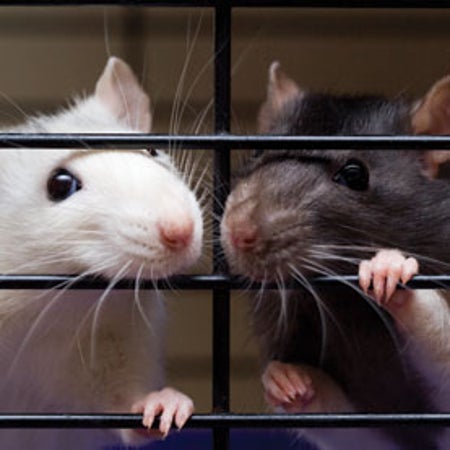
Rats Display Altruism
Rodents sacrifice sweets to jailbreak their friends
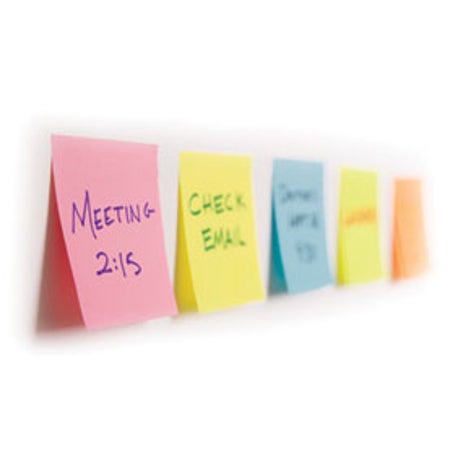
Concrete Plans Curb Creativity
Planning ahead might make us overlook new solutions

Slight Genetic Variations Can Affect How Others See You
Unspoken cues communicate which type of "trust hormone" gene we have

Anxiety May Hinder Your Sense of Danger
Tense people may miss the subtle warning signs of danger

Aviator's Dilemma: Pilots Encounter Illusions Everywhere
Military aviators learn to second-guess their senses