EvolutionMarch 1, 2011
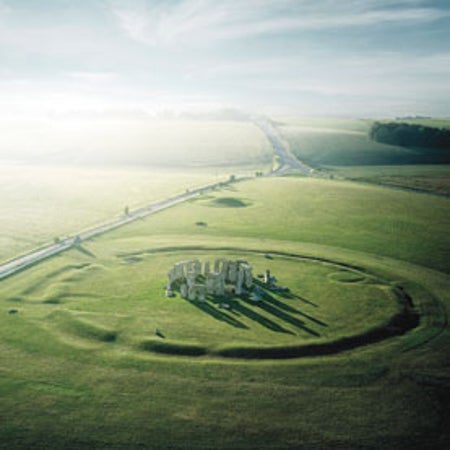
Putting Stonehenge in Its Place
An increasingly accepted view holds that the great stone circle may have been just part of a much larger ceremonial landscape
Putting Stonehenge in Its Place
An increasingly accepted view holds that the great stone circle may have been just part of a much larger ceremonial landscape

You Are What You Like
The Beatles or Brahms, Bauhaus or Baroque--your cultural preferences say a lot about your personality

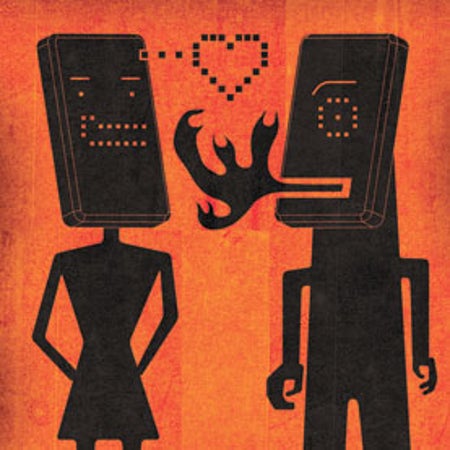
Gadget Politics: Why Tech Fans Share the Love and Hate
The truth behind what makes technology's true believers tick
Dream Weavers
Editor in Chief Mariette DiChristina discusses the highlights of the issue
A Stimulating Solution for Math Problems
A device that sends electric current through the brain improves numerical skills
Where Are the Talking Robots?
Teaching a machine to speak has been a dream for decades. First, we have to figure out how we know what we know about language

Keep the Internet Fair
The government's net neutrality compromise fell flat. Here's a simple fix
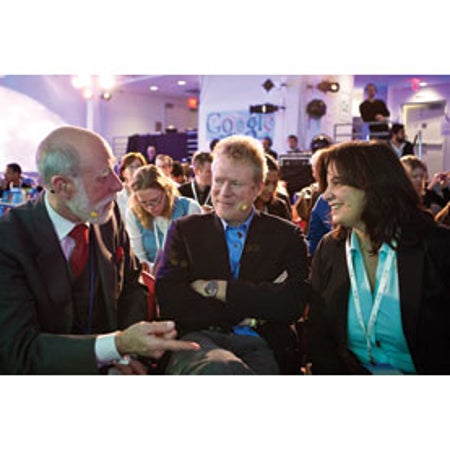
Spaces and Places
Editor in Chief Mariette DiChristina introduces the March 2011 issue of Scientific American
Calendar: MIND events in March and April
Museum exhibits, conferences and events relating to the brain
A New Mom's Changing Brain
Certain areas grow bigger as a mother bonds with her infant
Border Bias and Our Perception of Risk
Our mental maps of risk and safety rely too heavily on imaginary boundaries
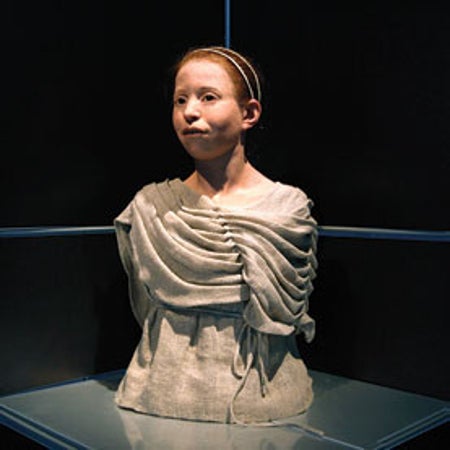
She's 11, Going on 2,500: What an Average Ancient Greek Looked Like
Museumgoers get their first glimpse of an average resident of ancient Greece