
HealthFebruary 12, 2015
Wearable Step Counters Offer Exercise Leg Up
High-tech pedometers do a decent job of counting steps accurately. Dina Fine Maron reports.
Wearable Step Counters Offer Exercise Leg Up
High-tech pedometers do a decent job of counting steps accurately. Dina Fine Maron reports.
Nanotech Pioneer Langer Wins Award by Thinking Small
M.I.T.’s Robert Langer is being recognized for his efforts to fight cancer and other diseases by melding nanoscale engineering with science and medicine

Non-Alcoholic Fatty Liver Disease: America's Greatest Health Risk of 2015?
Today, up to 25 percent of people in the U.S. are living with non-alcoholic fatty liver disease (NAFLD), according to the American Liver Foundation.
When Will “3-Parent Babies” Come to the U.S.?
Action in the U.K. Parliament is raising questions about the future of a new reproductive technique in America
Spreading Measles Outbreak Also Takes Heavy Economic Toll
The virus is squeezing finances in affected communities—and diverting funds and resources from other health care priorities
Isolated Headache after Bump Poses Little Brain Injury Risk for Kids
If a headache is a kid's only symptom after minor blunt head trauma, it poses little risk of a clinically important brain injury, according to a new post-hoc analysis
Big Precision Medicine Plan Raises Patient Privacy Concerns
White House’s move to develop customized care prompts worries about data security and informed consent
World's First Three-Parent IVF Babies Up for Vote Today in Britain
Doctors say that the "three-parent" IVF technique will prevent some inherited incurable diseases but critics fear designer babies
Vilifying Parents Who Don't Vaccinate Their Kids Is Counterproductive
The ongoing measles outbreak in the U.S., which has spread to 14 states, has provoked a rising vilification of parents who refuse to vaccinate their children.
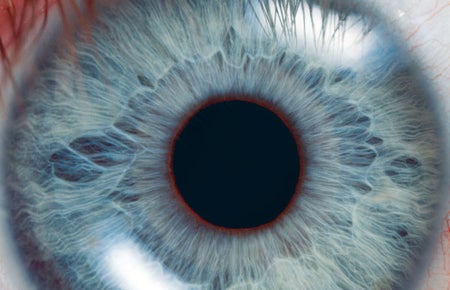
Eye-Tracking Test Enters into the Running for an Alzheimer’s Screen
The evaluation is one of several prognostic tests undergoing studies
Every Life Has Equal Value, Part 1: Gates Foundation CEO Dr. Susan Desmond-Hellmann
Gates Foundation CEO Dr. Susan Desmond-Hellmann and Scientific American Editor in-Chief Mariette DiChristina talk about the foundation set forth in its recently released annual letter. Part 1 of 2
X-Rays at War, 1915
Reported in Scientific American, This Week in World War I: January 30, 1915 X-rays were used for medical operations within a couple of months after they were discovered by Wilhelm Roentgen in late 1895.