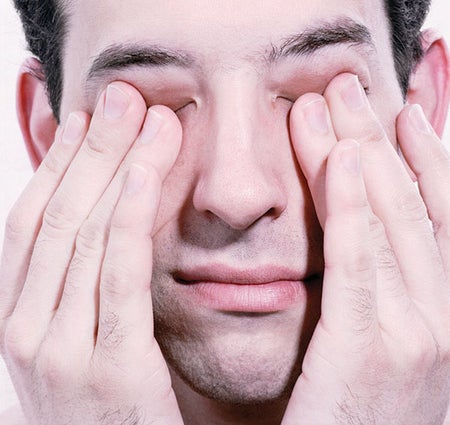
Mind & BrainMarch 1, 2016
Why Sleep Deprivation Makes You Crabby
Lack of sleep blunts emotional reactions, especially positive feelings
Why Sleep Deprivation Makes You Crabby
Lack of sleep blunts emotional reactions, especially positive feelings

Explaining Rage: A Q&A with R. Douglas Fields
Scientific American MIND talks to the author of Why We Snap

Does Confessing Secrets Improve Our Mental Health?
Psychologist James W. Pennebaker explains why it helps
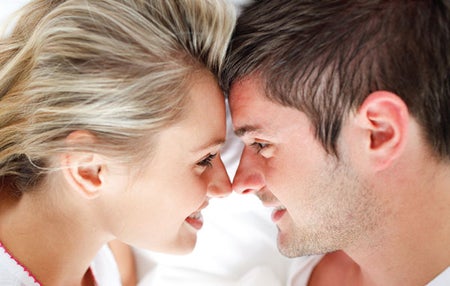
Keeping Up with the Joneses--in Bed
Couples who have sex at least once a week are happiest, perhaps because we think it’s the norm
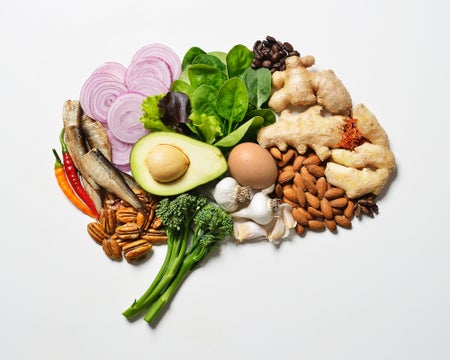
From the Editor: Telltale Patterns
Inside the March/April 2016 Scientific American MIND
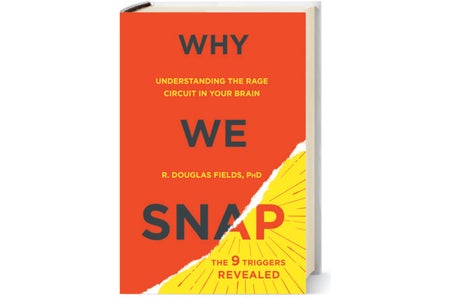
Scientific American MIND Reviews Why We Snap
A neuroscientist explains the rage circuits in your brain
Autism—It's Different in Girls
New research suggests the disorder often looks different in females, many of whom are being misdiagnosed and missing out on the support they need
Using Social Media to Assess Health from Afar
By analyzing the language of tweets and Facebook posts, scientists can increasingly make communitywide health forecasts and even individual diagnoses
Your Inner Angel and Devil Can Be Influenced by Psychiatric Meds
By tweaking brain chemistry, a number of common drugs can alter moral decision-making
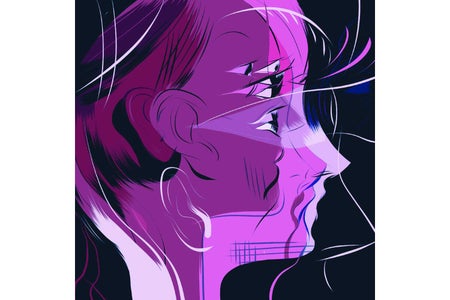
Is There a Better Way to Diagnose Psychosis?
A new study opens a door to more biologically based categories of major mental illness
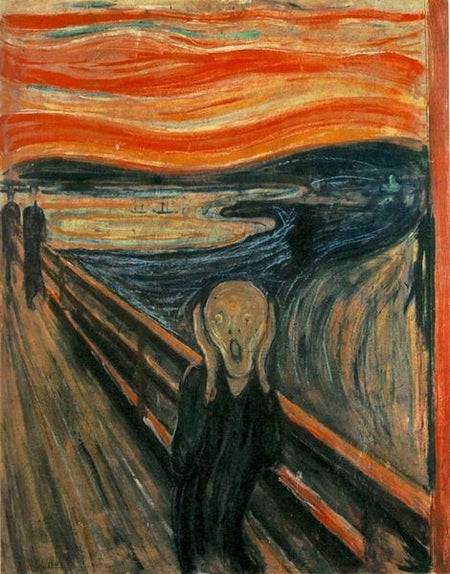
Meta-Post: Horgan Posts on Antidepressants, Brain Implants, Psychedelics, Meditation and Other Therapies for Mental Illness
Cross-Check columns on efforts to understand and treat depression, schizophrenia, alcoholism and other mental disorders
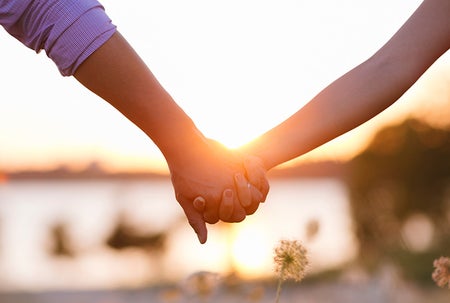
Disordered Pairs: People More Likely to Find a Mate with a Similar Psychiatric Condition
New research provides evidence that partners are more similar in psychiatric status than chance would predict