NeuroscienceApril 1, 2017
A Rare Success against Alzheimer’s
A gold-standard clinical trial provides evidence that diet, exercise and an active social life can help prevent cognitive decline
A Rare Success against Alzheimer’s
A gold-standard clinical trial provides evidence that diet, exercise and an active social life can help prevent cognitive decline

Treating Epilepsy’s Toughest Cases
Current medicines fail to relieve seizures in about a third of people with epilepsy. What can be done?

First Drug for Aggressive MS Nets FDA Approval
Researchers say the medication is a significant improvement over other treatments

Hospitals Halt Hiring, Projects amid Uncertain Fate of Obamacare
The Republican-proposed repeal bill is slated for a House vote on Thursday
Brain Hackers Seeking Peak Performance Use Risky Chemical Cocktails
“Smart drugs” are not clinically proven and could be dangerous
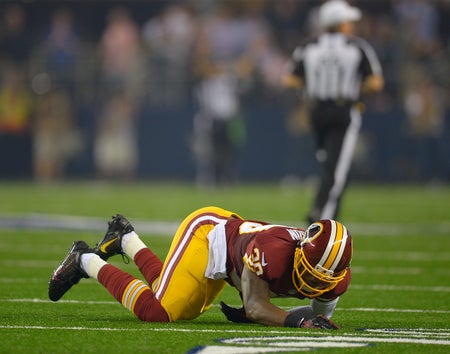
Simple Blood Tests for Rapid Concussion Diagnosis
Physicians need more than the question: “How many fingers am I holding up?”

The Serious Need for Play
Free, imaginative play is crucial for normal social, emotional and cognitive development. It makes us better adjusted, smarter and less stressed
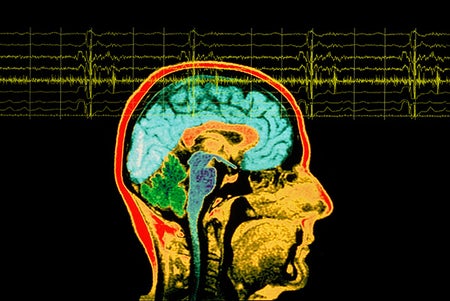
Does Temporal Lobe Epilepsy Influence Personality?
Sallie Baxendale, a consultant neuropsychologist at the Institute of Neurology at University College London, explains

Anesthesia and the Elderly Brain
Research paints a complex picture of how surgery and anesthesia might harm the brain, particularly for older patients

What Inequality Does to the Brain
Poverty may affect the size, shape and functioning of a young child's brain. Would a cash stipend to parents help prevent harm?

Little Learners, Trump’s Appeal and Brain Soup
A look inside the March/April issue of Scientific American Mind

Case Study: When Chronic Pain Leads to a Dangerous Addiction
How did an educated, elderly engineer wind up with a heroin habit?