
Public HealthJanuary 4, 2017
Zika Linked to a Variety of Birth Defects
Zika virus infection during pregnancy appears to cause a range of birth defects, such as joint, eye and ear abnormalities, in addition to microcephaly.
Zika Linked to a Variety of Birth Defects
Zika virus infection during pregnancy appears to cause a range of birth defects, such as joint, eye and ear abnormalities, in addition to microcephaly.

His Coke Habit Was the Tip of the Iceberg
Abuse of cocaine, alcohol and pills was the patient’s obvious problem, but at its root was undiagnosed ADHD

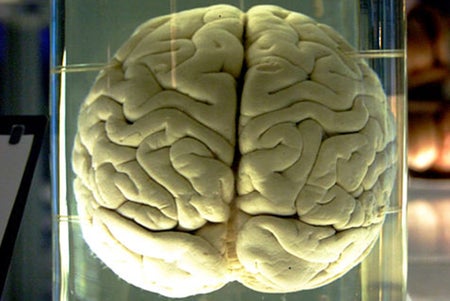
Brains in a Jar May Help Fight Disease [Video]
A leader in the technique of growing mini brains talks about their benefits for research

Does Poverty Shape the Brain?
Growing up in a poor family can leave a mark on the developing brain. Understanding how and why has important implications for educators and society

From the Magic of Exercise to the Mind of an Octopus
A look inside the January/February issue of Scientific American Mind

Treating Addiction with Psychedelics
Researchers see some promise in ibogaine, a well-known hallucinogen, and related compounds

Alzheimer's Falls More Heavily on Women Than on Men
Distinct biological and genetic factors may shape how it progresses in women—and understanding them could be crucial to prevention, diagnosis and treatment

New Test Spots Human Form of Mad Cow Disease with 100 Percent Accuracy
Blood screening technology may be able to diagnose infections before symptoms emerge
Repeated Anesthesia Exposure Could Hurt Young Brains, FDA Warns
The agency will require new warnings on medication labels

Why Sleep Disorders May Precede Parkinson's and Alzheimer's
When the body’s biological clock goes awry, insomnia and related disruptions may be an early sign of pending cognitive decline

Social-Media Hype about Diseases and Treatments Does Patients No Favors
A downside to the awesome power of these platforms comes from not knowing or perhaps not caring about the source of information
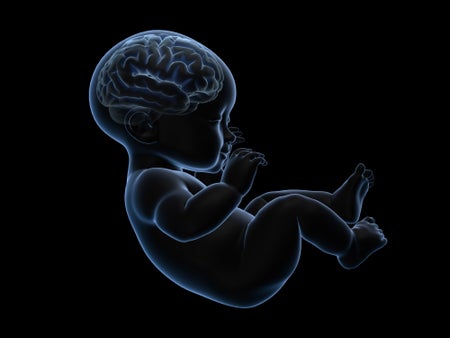
Experimental Treatments Aim to Prevent Brain Damage in Babies
Advances in neuroscience are driving the development of therapies that could save thousands of the most vulnerable patients