NeurologyNovember 28, 2016
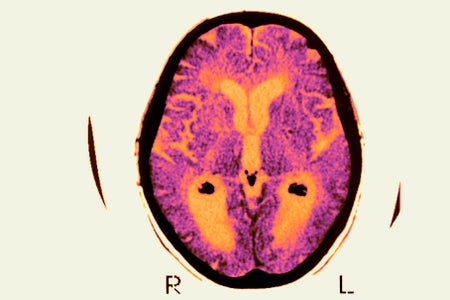
Failed Alzheimer’s Trial Does Not Kill Leading Theory of Disease
The drug, and others based on the “amyloid hypothesis,” are still being tested in other, different trials
Failed Alzheimer’s Trial Does Not Kill Leading Theory of Disease
The drug, and others based on the “amyloid hypothesis,” are still being tested in other, different trials
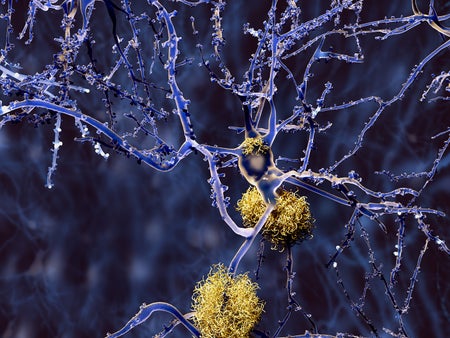
Hopes Dashed as Alzheimer’s Drug Fails in Late-Stage Trial
The result could be a major setback for the strategy of attacking amyloid plaques

Dementia Rates Falling Among U.S. Seniors
The drop suggests certain actions may reduce disease risk
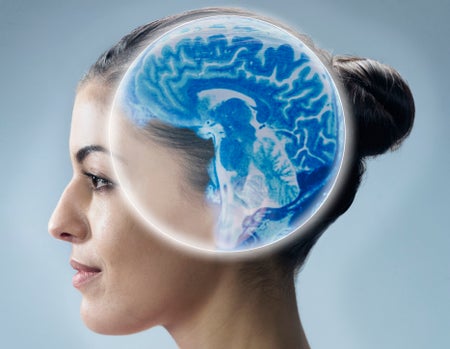
Women’s Brains Needed for Concussion Research
There are tantalizing hints that women respond differently to concussion, perhaps due to hormonal cycles. What's needed now: more female brains to study
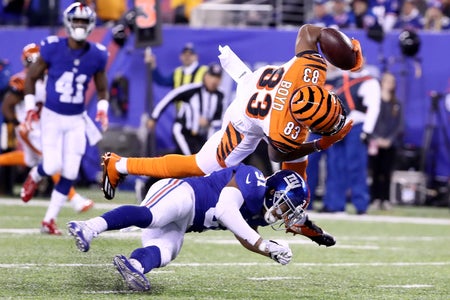
NFL Doctors’ Conflicts of Interest May Endanger Players
Physicians are hired and fired by the team, not the athletes
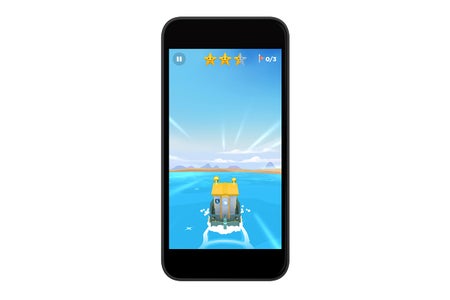
Can You Diagnose Dementia from a Gaming App?
More than two million healthy people played a game that could detect declining navigation skills, a hallmark of Alzheimer’s

Q&A: One of the Brains behind the China Brain Project
A leader of the recently announced effort describes its goal of helping the world’s aging population find desperately needed treatments for psychiatric and neurodegenerative diseases

Brain’s Support Cells Could Explain Mysterious “Spreading Pain”
Scientists uncover how non-neuronal cells induce synaptic plasticity in pain circuits, potentially across long distances
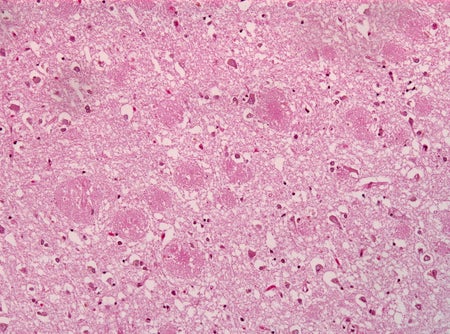
New Alzheimer’s Drug Clears Milestone in Human Clinical Trial
A brain plaque inhibitor developed by Merck is now being tested in larger studies for efficacy against the still unstoppable neurodegenerative disease
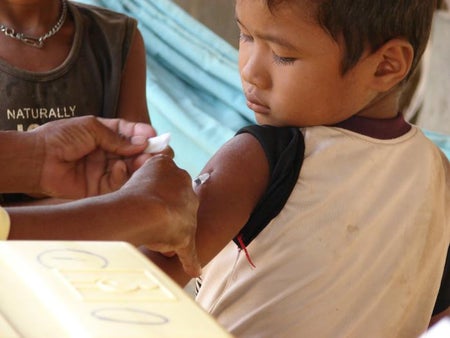
Deadly Measles Complication More Common Than Doctors Thought
The progressive neurological disorder involves inflammation in the brain
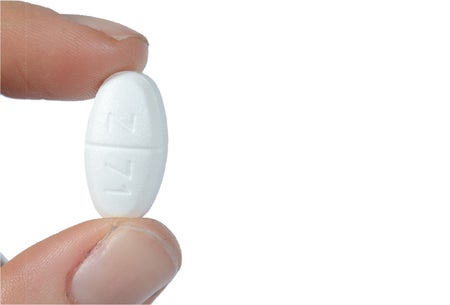
Could a Diabetes Drug Help Beat Alzheimer's Disease?
Metformin may slow or reverse dementia and cognitive impairment, even in nondiabetics
In Search of Hidden Minds
Finding signs of consciousness among severely brain-injured patients is medically challenging—and morally imperative