NeuroscienceMay 26, 2016
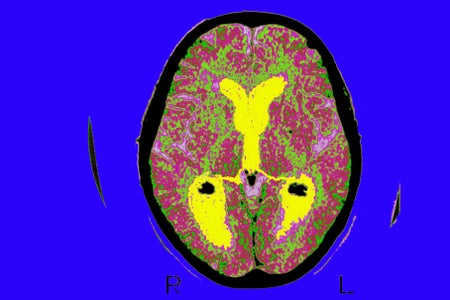
Antimicrobial Mechanism Gone Rogue May Play Role in Alzheimer's Disease
A new study finds that a key protein implicated in Alzheimer’s may normally protect the brain from infection
Antimicrobial Mechanism Gone Rogue May Play Role in Alzheimer's Disease
A new study finds that a key protein implicated in Alzheimer’s may normally protect the brain from infection

Repeated Sub-Concussion Head Impacts May Affect Eye Function
Researchers studied 29 Division I football players who volunteered to wear special mouthguards


Does Financial Insecurity Lead to More Physical Pain?
Growing evidence suggests a link
Is Zika How Humanity Ends?
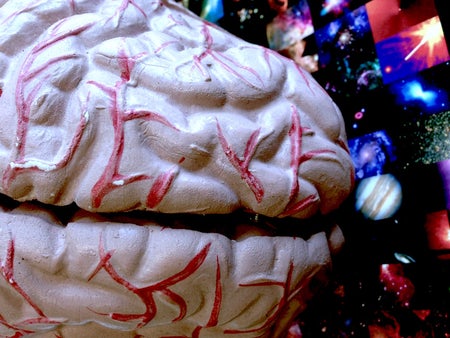
Probably not, but pathogens that damage brains may earn a special place in cosmic hell

Does Zapping Your Brain Increase Performance?
The evidence for neurostimulation is decidedly mixed

On the Brink of Breakthroughs in Diagnosing and Treating Autism
Science is taking a more personalized approach to treating the disorder and to understanding its diverse causes

How the Club Drug Ketamine Works to Fight Depression
A breakdown product of the drug reduces signs of depression in mice without side effects
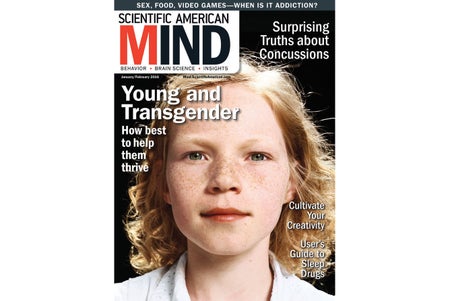
Readers Respond to “Young and Transgender” and More
Letters about Scientific American MIND’s Jan/Feb 2016 issue
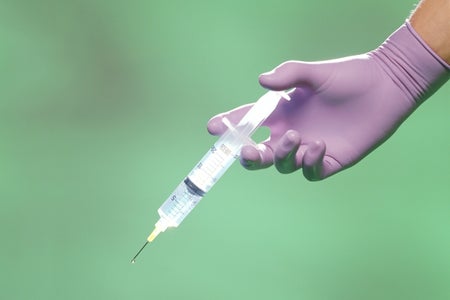
Can We Prevent Addiction Using Vaccines?
Ronald Crystal, chair of the Department of Genetic Medicine at Weill Cornell Medical College, replies

Autistic Children Benefit from Early Intervention
The disorder remains a medical mystery with no cure in sight, but some existing therapies produce lasting benefits, and more are on the horizon

Does "Pregnancy Brain" Exist?
Laura Glynn, a professor and chair of the department of psychology at Chapman University, explains

How Alcohol Ravages the Teen Brain